Explore our curated selection of high-durability, energy-efficient fixtures engineered to replace legacy metal halide, high-pressure sodium, and fluorescent systems.
As energy grids globally face increasing pressure and carbon neutrality mandates shift from voluntary corporate governance goals to strict legal requirements, industrial and commercial enterprises are targeting legacy lighting infrastructure. Retrofitting existing fixtures with advanced solid-state LED systems stands out as one of the most capital-efficient methods to slash operational expenses. However, navigating the landscape of retrofit lighting factories requires deep technical understanding. This guide delivers structured procurement intelligence for engineering teams, energy services companies (ESCOs), and commercial sourcing directors.
Founded in 2007, Guangdong Dorde Lights Co. Ltd. has established itself as an engineering-centric manufacturer specializing in high-performance LED lighting solutions for residential, commercial, and industrial markets. Based in Guangdong, the global hub of electronic and optoelectronic manufacturing, the firm operates with a core mission: delivering energy-efficient, reliable, and optically precise lighting designs to international markets.
Dorde Lights systematically integrates structural design, thermal analysis, and driver engineering to create highly customizable products. By operating a robust supply chain network and a vertical production model, Dorde ensures strict manufacturing controls that translate directly to lowered Total Cost of Ownership (TCO) for end users. Their focus spans high-bay industrial structures, waterproof and outdoor architectural accents, hazardous environment explosion-proof lighting, and custom horticultural grow systems.
Modern lighting demands extend beyond basic illumination to encompass photobiological safety, glare control, and precise beam angles. Dorde Lights prioritizes the research and development of custom optical lenses and high-efficiency heat sinks. By utilizing premium LED chipsets (such as Lumileds or Bridgelux) combined with custom-engineered drivers, the company manufactures products that offer color rendering indices (CRI) exceeding Ra80/90, customizable Correlated Color Temperatures (CCT), and power-selectable outputs. This allows distributors and installation contractors to reduce inventory SKU counts by adapting one fixture to multiple project requirements.
Understanding that no two architectural or industrial environments are identical, Dorde Lights offers structured OEM and ODM channels. Whether it is adjusting standard optical distributions (e.g., Type II, III, or V beam patterns for municipal applications), configuring specific DALI-2, Zigbee, or 0-10V dimming protocols, or developing completely proprietary cast aluminum housings, the Dorde engineering team collaborates directly with client project managers. This collaborative design cycle ensures compliance with municipal building codes, safety rules, and regional utility rebate requirements.
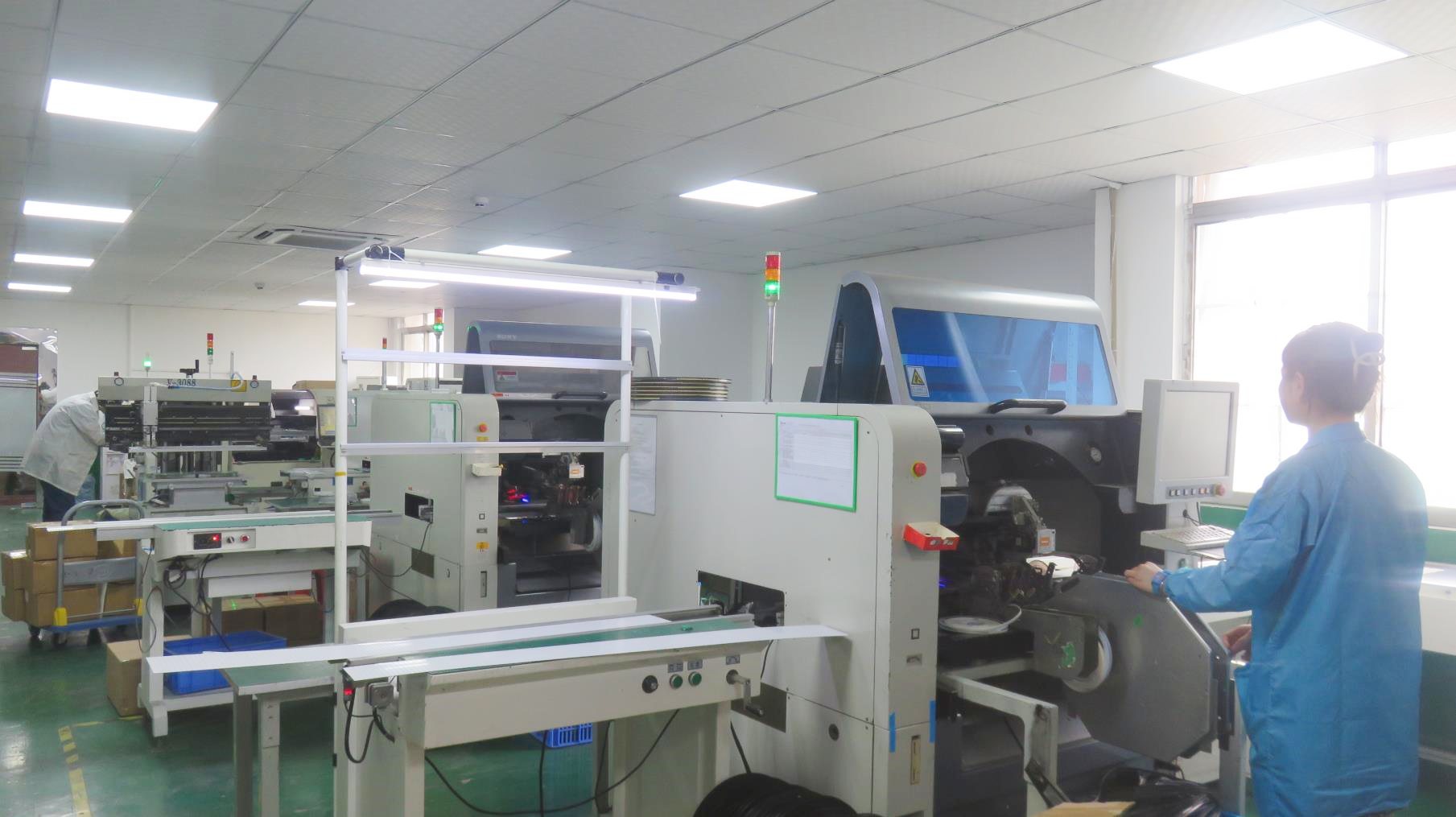
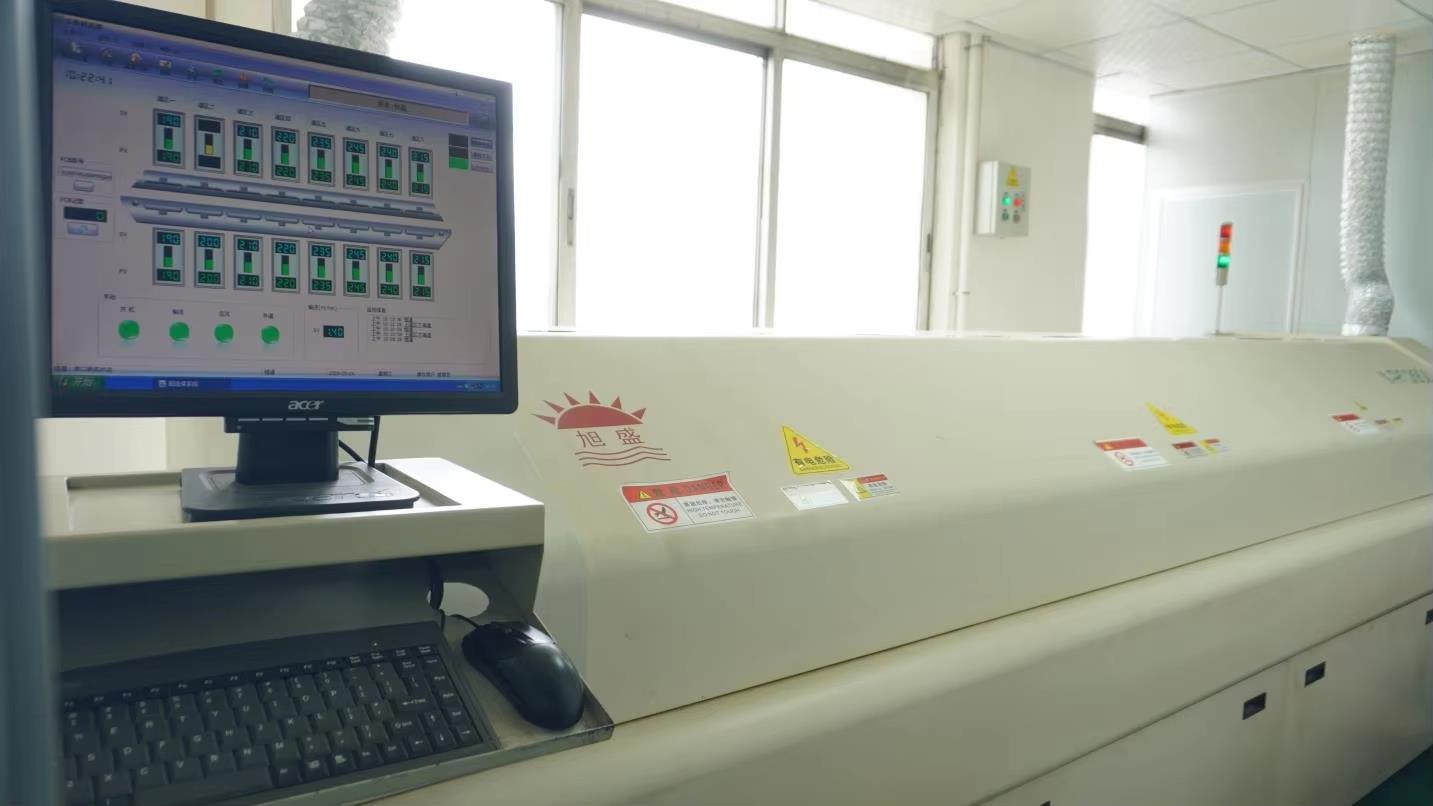
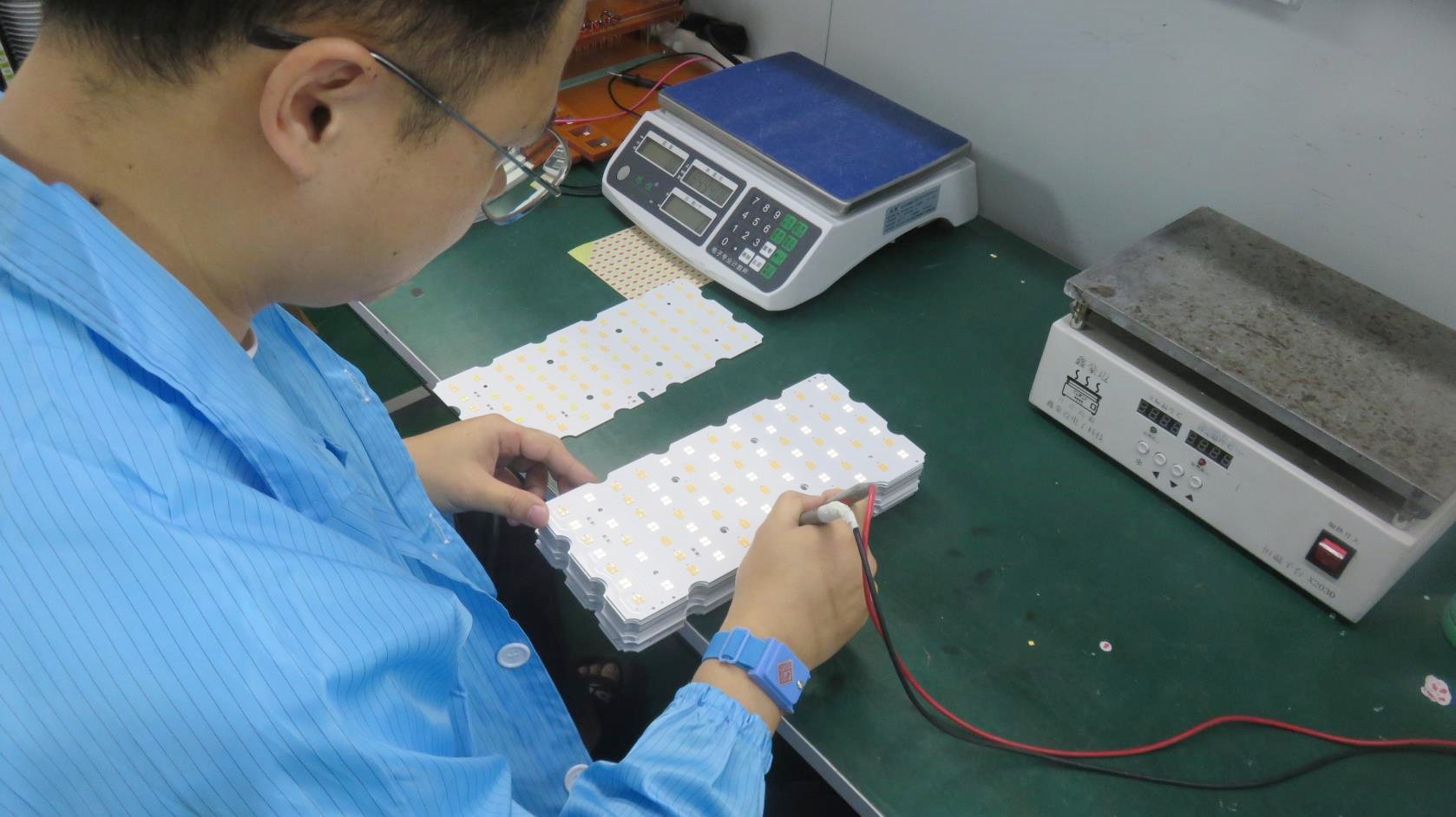
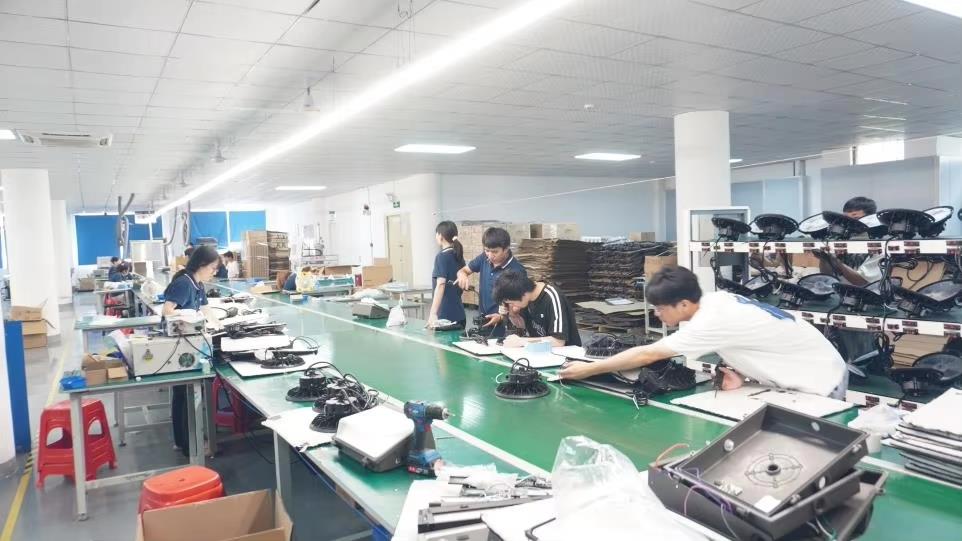
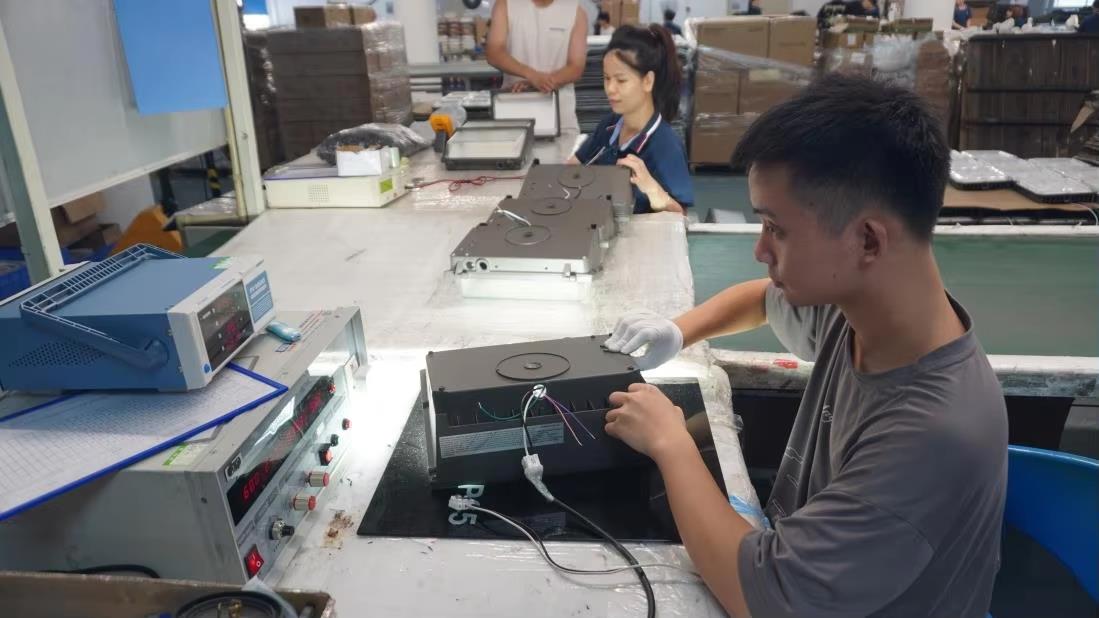
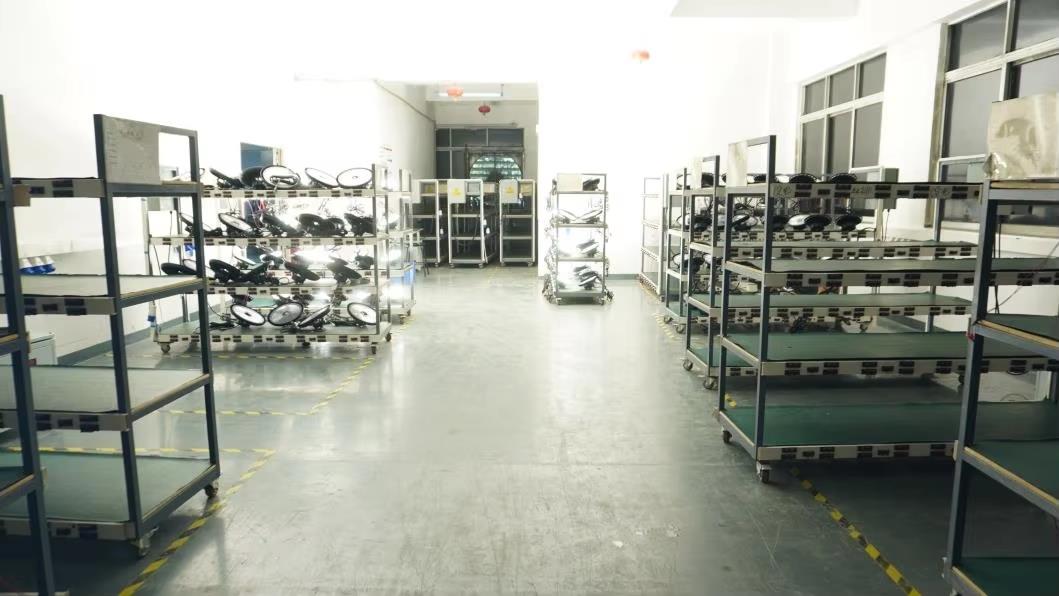
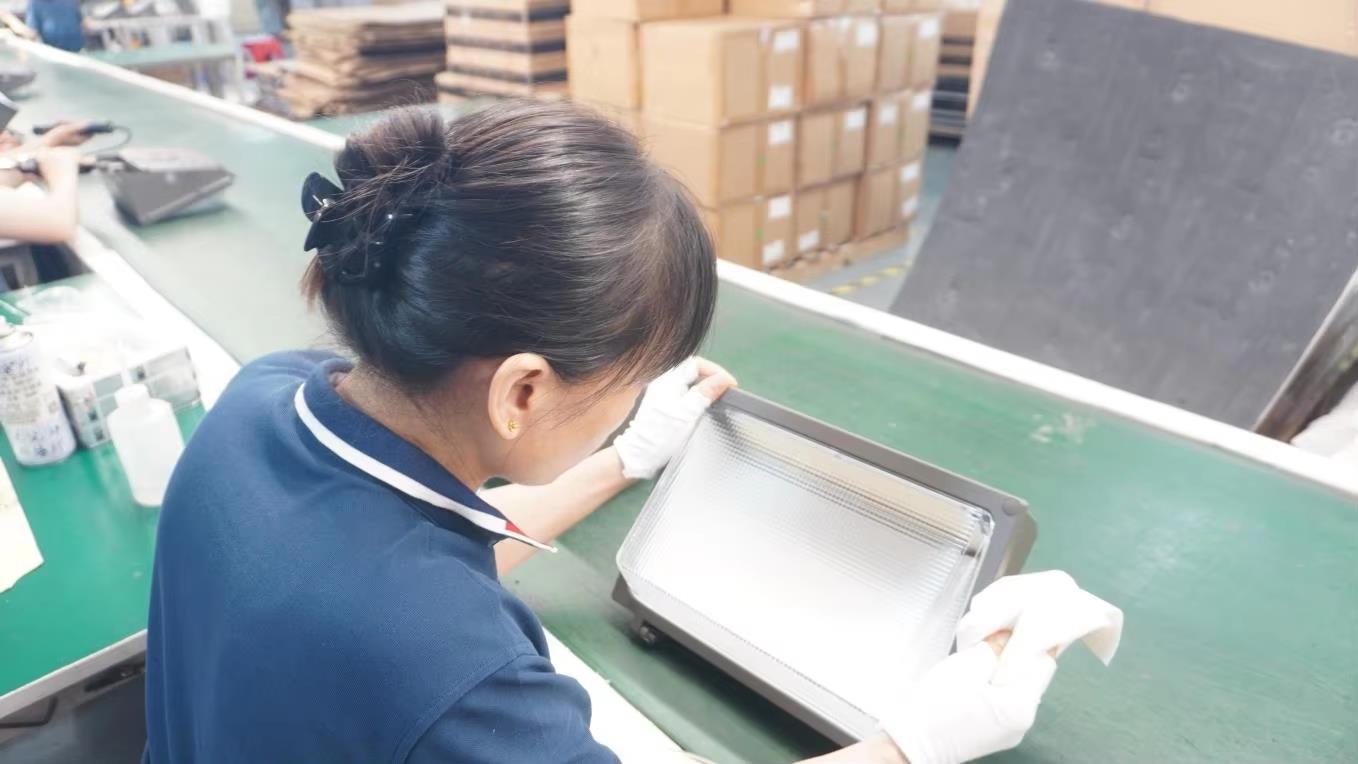
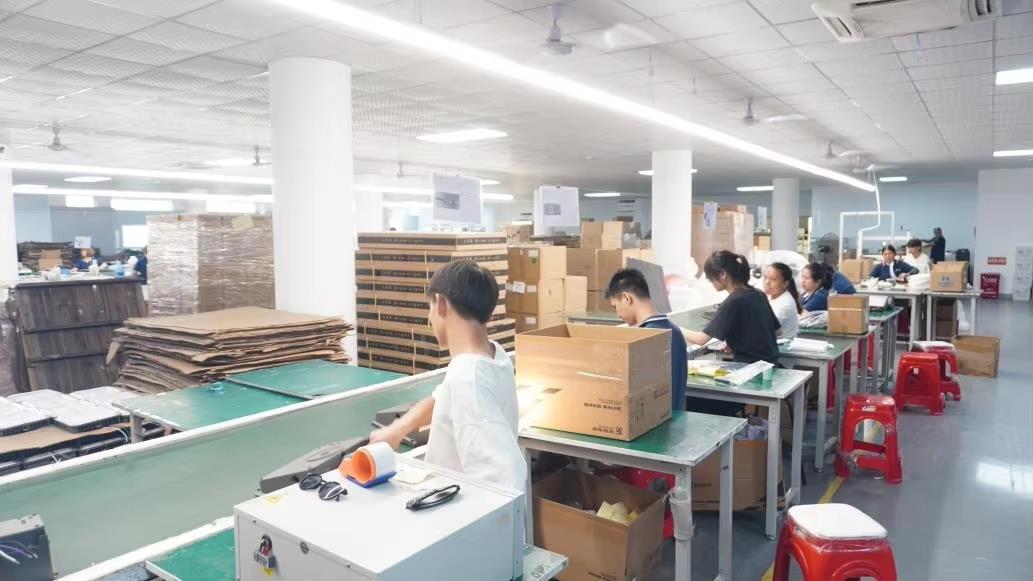
Robust engineering requires meticulous execution. Guangdong Dorde Lights implements a multi-stage quality assurance protocol across its state-of-the-art production floor. Below is the operational sequence that ensures high optical and thermal consistency.
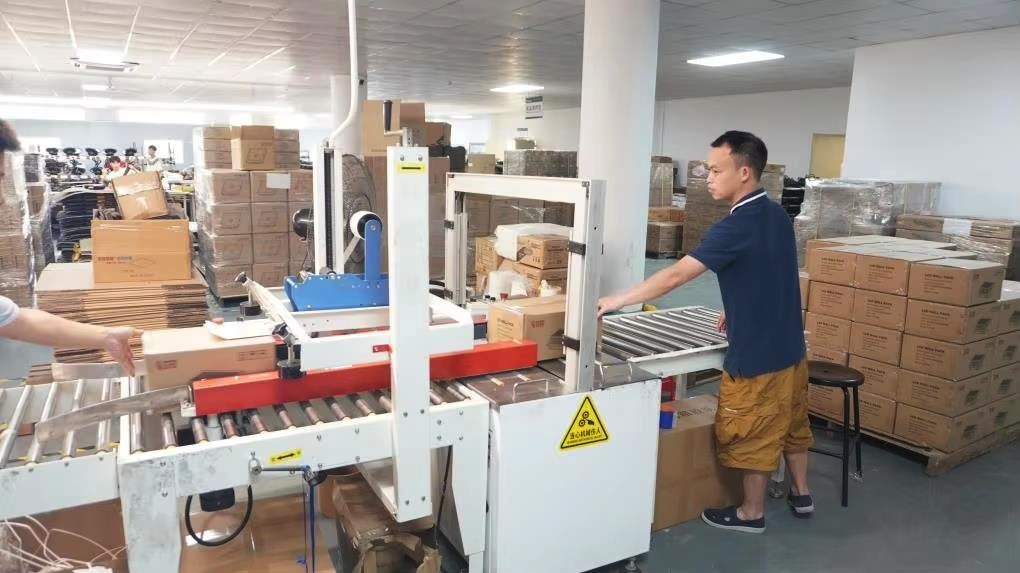
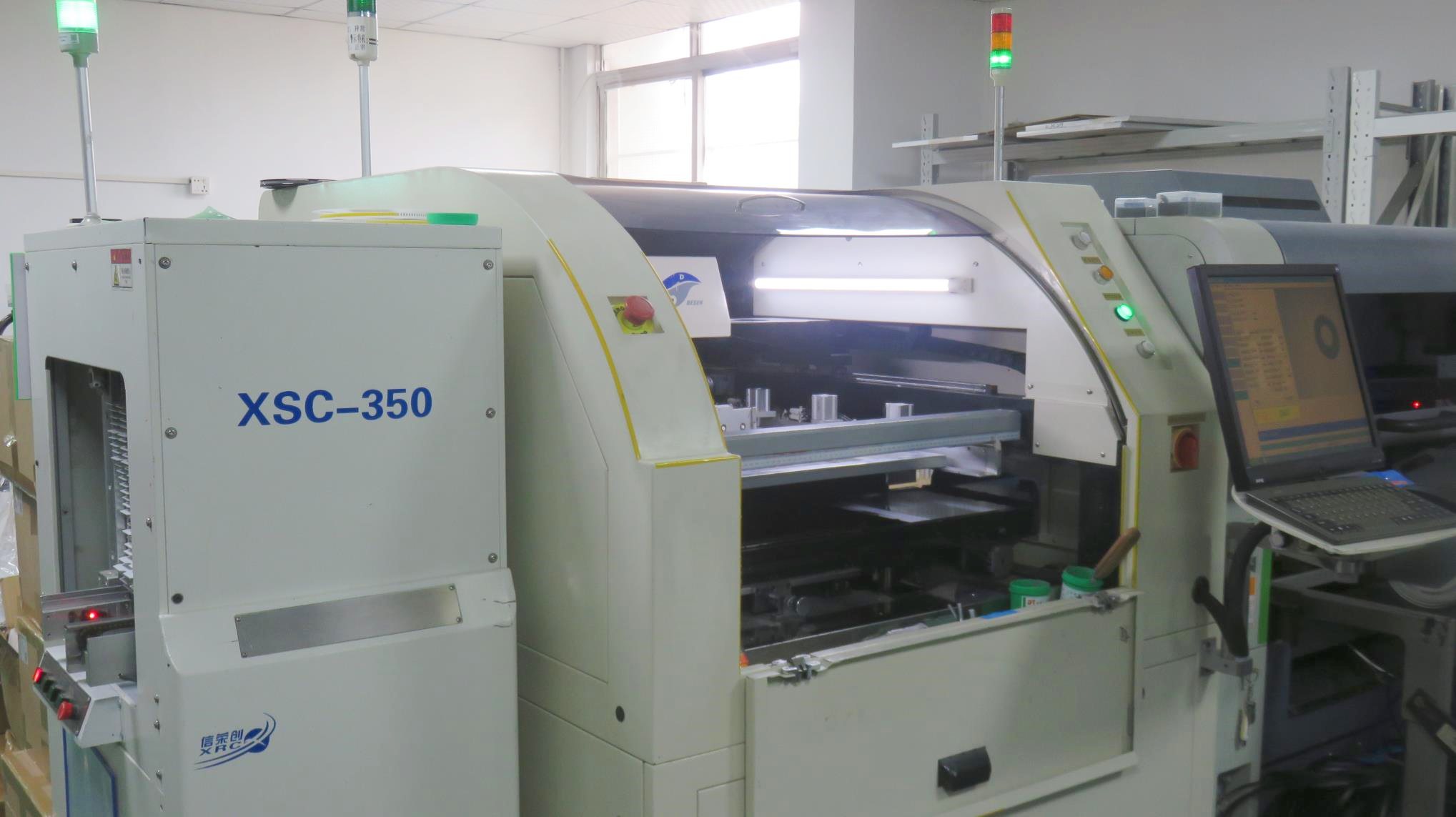
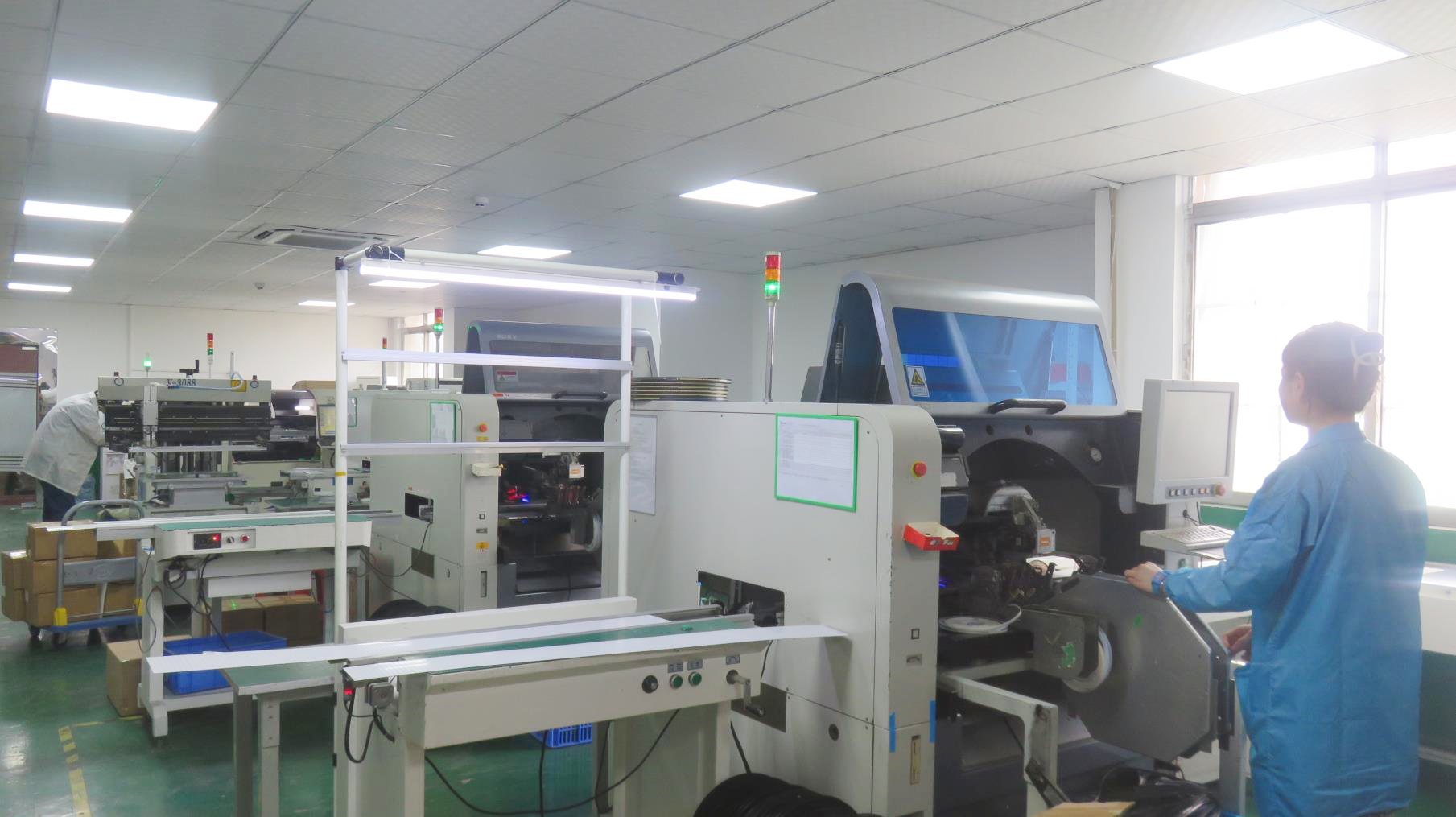
Retrofitting is not a one-size-fits-all process. Diverse commercial and industrial environments carry unique operational stresses, ingress threats, and ambient temperatures. A successful retrofit project requires selecting matching engineering options.
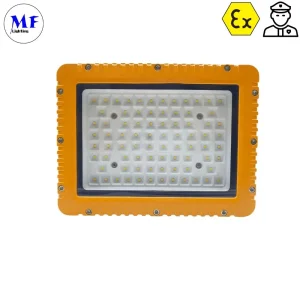
Refineries, petrochemical complexes, and processing plants require high safety standards. Implementing ATEX-certified, explosion-proof LED housings ensures that internal electrical arcs or thermal points cannot ignite external flammable gases, vapors, or particulate dust.
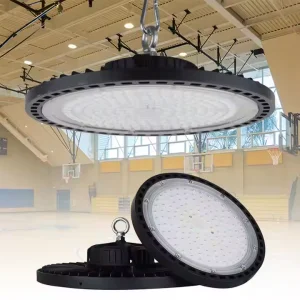
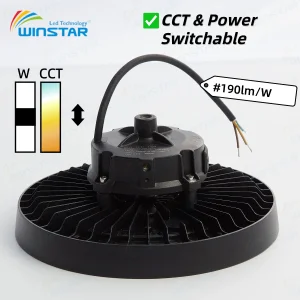
High-bay logistics centers and large retail venues leverage power-selectable and CCT-switchable canopy lights. Built-in occupancy sensing and daylight harvesting allow operations to reduce electrical loads when facility zones are vacant.
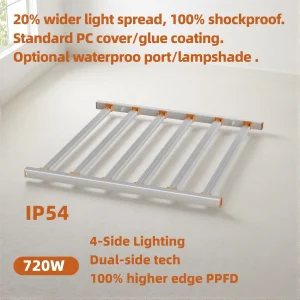
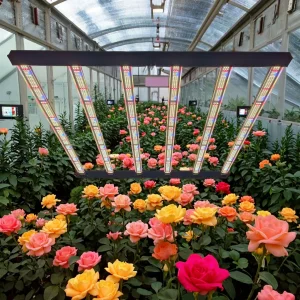
Commercial greenhouse operations use tailored spectral distributions to optimize photosynthetic pathways. Utilizing high PPF and PPFD outputs (e.g., 2.7 µmol/J) minimizes the electrical power needed to accelerate crop yields.
The future of retrofit lighting lies in digital integration. Modern LED modules are evolving from static light emitters into smart nodes connected to the building's wider network. The Dorde Lights technical roadmap focuses on three main developments:
By implementing standardized Zhaga Book 18 or NEMA receptacle bases on outdoor and industrial fixtures, Dorde enables plug-and-play installation of third-party control modules. This allows municipalities and facilities to add photodetectors, motion sensors, or IoT wireless nodes long after the initial fixture deployment without changing the underlying luminaire driver.
Emerging commercial retrofit designs incorporate dynamic multi-channel LED arrays capable of shifting CCT from 2700K to 6500K dynamically. Aligning the indoor spectral output with the natural path of daylight has been shown to support circadian rhythms, which can improve cognitive function, lower error rates in manufacturing lines, and enhance comfort in commercial office buildings.
Global procurement teams must balance initial capital expenditure (CAPEX) with long-term operating costs (OPEX). Selecting low-cost, uncertified luminaires can lead to premature driver failure, yellowing lenses, and safety hazards that wipe out projected energy savings. When evaluating manufacturers, procurement directors should prioritize the following parameters:
Lumen-per-watt (lm/W) efficiency directly dictates energy savings. Specify minimum system efficacies of 140 lm/W to maximize rebate eligibility from utility operators (such as DLC Premium).
Excessive heat degrades LED junctions. Ensure the manufacturer uses thick A380 die-cast aluminum alloys with engineered airflow fins rather than lightweight plastics or stamped metal.
Request detailed Bills of Material (BOM). Top-tier factories utilize reputable components (e.g., driver components from Meanwell, Inventronics, or Lifud) to ensure reliable performance.
Verify third-party test reports (LM-79, LM-80, and TM-21) to confirm color stability and lumen maintenance curves over time.
Expert answers to technical and supply chain questions for industrial electrical contractors, facility managers, and OEM buyers.
Discover architectural and specialty luminaires engineered for structural durability, color rendering accuracy, and environmental resilience.
 Dorde Lights