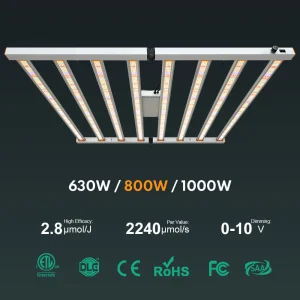
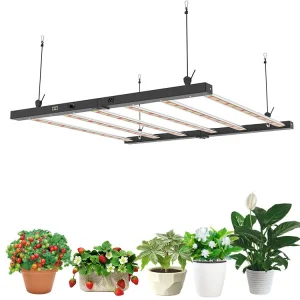
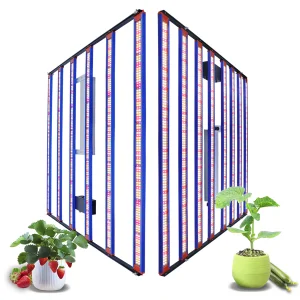
Led Grow Light Samsung 720W Indoor Agricultural Lighting
Knowledge
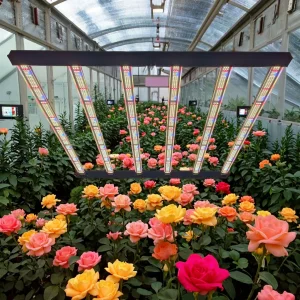
Grow Light for Rose
High PPFD Requirement
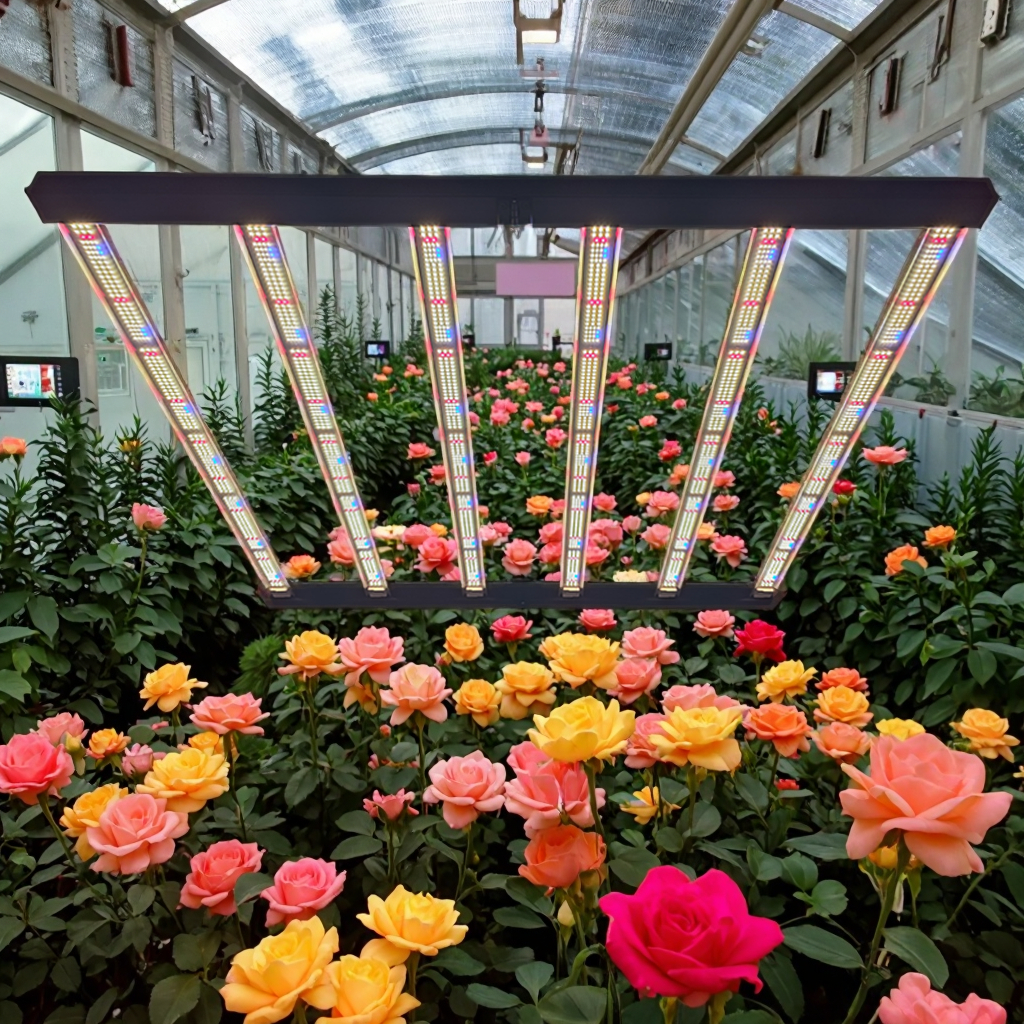
Roses are high-light plants. To produce sturdy stems, abundant foliage, and most importantly, large, high-quality blooms, they require intense light. High PPFD grow lights are highly recommended for optimal rose cultivation.
Optimal Light Spectrum
A full-spectrum foundation, heavily weighted towards Red and supplemented with Blue light, is the preferred formulation for supporting roses throughout their growth cycles.
Product Specifications
Production & Quality
Technology Comparison
LED LightsRecommended
Features higher PPE, leading to significant energy savings over time. Full spectrum with red and blue is highly beneficial for flower growth from the vegetative to the flowering stage. Offers a longer lifespan, resulting in lower operating costs.
HPS Lights
Less efficient, converting more energy into waste heat. Typically features a fixed spectrum heavy in yellow/red, which can cause leggy growth. Offers lower upfront costs but has a shorter lifespan and higher electricity bills.
Frequently Asked Questions
What is the primary goal of using grow lights in a greenhouse during winter?
The primary goal is to supplement natural light during low-light winter periods to provide high-light plants, like roses, with the intense PPFD required to produce sturdy stems, abundant foliage, and large, high-quality blooms.
What is the most important feature for a greenhouse winter light?
High Light Intensity (PPFD) and Robust Power are the most critical features to ensure sufficient photosynthetic energy is delivered to the plants.
Why are LED grow lights recommended over HPS lights?
LED lights offer higher PPE (Photosynthetic Photon Efficacy), leading to significant energy savings. They provide a tailored full spectrum (red and blue) optimized for flower growth and have a much longer lifespan, which minimizes long-term operating and replacement costs.
How does the "heat" factor influence the choice between LED and HPS?
HPS lights produce high radiant heat, which can warm greenhouse air but may create hot spots and burn plants if positioned too close. LEDs generate very little radiant heat, allowing for precise climate control, but require the greenhouse heating system to manage the entire temperature load during cold months.
What spectrum is preferred for rose cultivation?
A spectrum with a full-spectrum foundation, heavily weighted towards Red and supplemented with Blue light, is preferred for rose growing.
Why do HPS lights sometimes cause leggy plant growth?
HPS lights usually feature a fixed spectrum that is heavily dominant in yellow/red and lacks a balanced blue output, which can stimulate stretching and result in leggy, less robust growth compared to full-spectrum LED fixtures.
 Dorde Lights