Top Trusted LED Tube Light Factories & Factory

Global Engineering Whitepaper: High-Efficiency Linear Systems, Rigorous E-E-A-T Standards, and Industrial Supply Chain Resilience

1. Executive Summary & The Paradigm Shift in Global Commercial Lighting

The global industrial and commercial lighting landscape is undergoing a monumental shift. As municipal regulations worldwide phase out legacy fluorescent lighting due to hazardous mercury content and high energy consumption, procurement officers, engineering consultants, and developers are searching for the top trusted LED tube light factories. Modern illumination demands go far beyond simple lumen-per-watt upgrades; they require extreme thermal efficiency, compliance with dynamic standards (such as DLC Premium, CE, RoHS, and ATEX), and integration with smart building networks.

Information Gain Insight: The true differentiation in high-performing LED tube designs lies in the junction temperature management of the LEDs and the Total Harmonic Distortion (THD) of the driver circuit. While entry-level alternatives degrade within 15,000 hours, enterprise-grade components built by certified factories maintain 98% lumen maintenance (L90) past 50,000 hours of continuous operation.

In this comprehensive guide, we dissect the manufacturing ecosystem, explore technical benchmarks that dictate reliable hardware, analyze Chinese supply chain efficiency, and introduce the specialized capabilities of industry leaders like Guangdong Dorde Lights Co. Ltd.

170+
LM/W Efficacy
< 10%
Total Harmonic Distortion
50k+
Rated L90 Lifespan (Hrs)
SDCM < 3
MacAdam Color Consistency

2. Manufacturer Profile: Guangdong Dorde Lights Co. Ltd.

Founded in 2007, Guangdong Dorde Lights Co. Ltd. is a professional manufacturer specializing in LED lighting solutions for residential, commercial, and industrial applications. With years of experience in the lighting industry, we are committed to delivering reliable, energy-efficient, and high-performance lighting products to customers worldwide.

Focus on LED Lighting Innovation

Dorde Lights is dedicated to the research, development, and production of modern LED lighting products. Our product range includes LED panel lights, downlights, linear lights, and customized lighting solutions. By combining practical engineering with contemporary design, we aim to create lighting that is both functional and visually refined. Our development strategy targets core performance challenges, such as glare reduction (UGR < 19), flicker-free drivers, and specialized spectral distributions.

Strong Manufacturing & Supply Chain Capability

With a well-established production system and stable supply chain partnerships, we ensure consistent product quality, competitive pricing, and efficient delivery. Our manufacturing process follows strict quality control standards at every stage—from material selection to final inspection—ensuring reliability and long-term performance. This systematic oversight guarantees that each production batch matches laboratory-tested photometric performance.

OEM/ODM Service for Global Partners

We provide flexible OEM and ODM services to meet the diverse needs of global clients. By working closely with distributors, project contractors, and brand owners, we develop tailored lighting solutions that align with different market requirements and application scenarios. Whether it is adjusting the drive current for localized power grids or custom-extruding aluminum enclosures for architectural applications, our engineering division bridges the gap between design concepts and scalable manufacturing.

Commitment to Quality and Long-Term Cooperation

At Dorde Lights, we believe long-term success comes from trust and consistency. We are committed to maintaining close cooperation with our partners and continuously improving our products and services to adapt to evolving market demands.

Enterprise Vision

Our vision is to become a trusted global LED lighting manufacturer recognized for quality, innovation, and customer-focused solutions. We will continue to invest in product development and manufacturing excellence to bring better lighting experiences to users around the world.

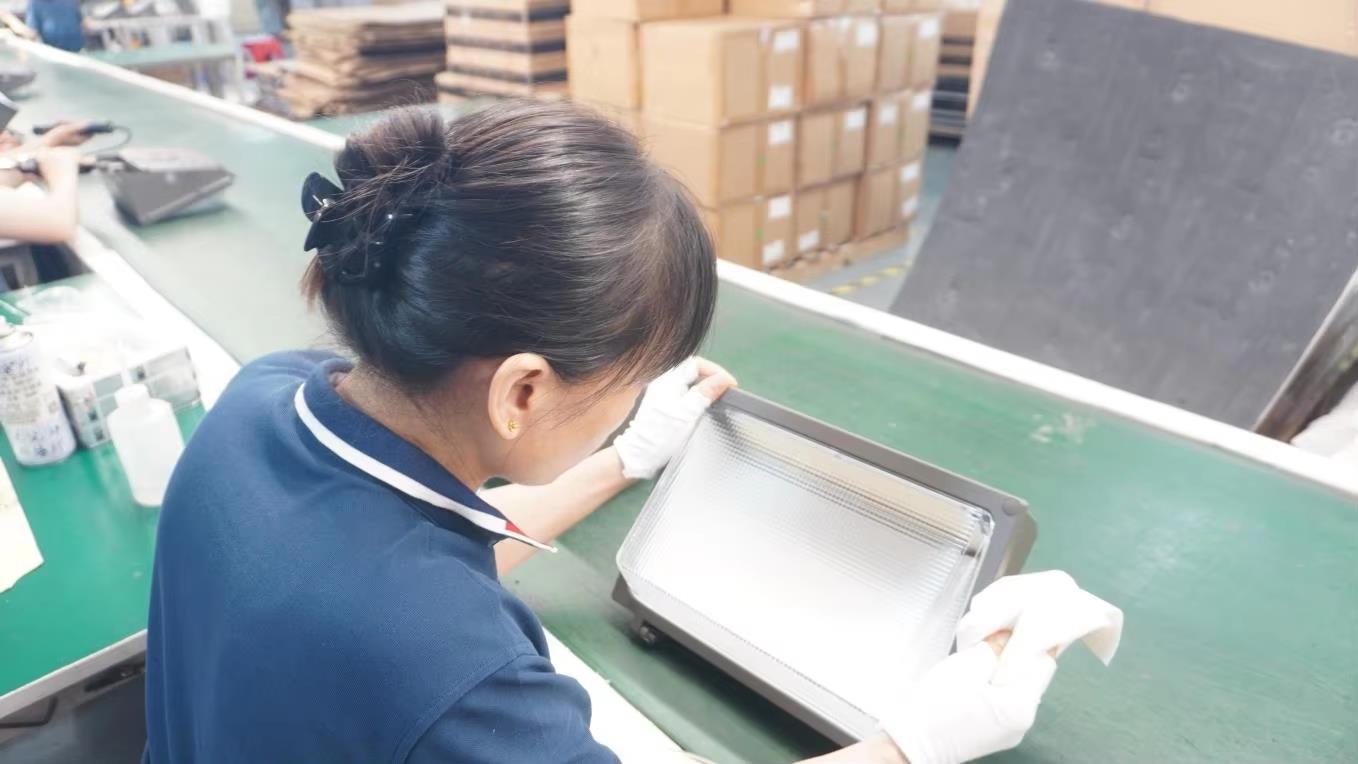
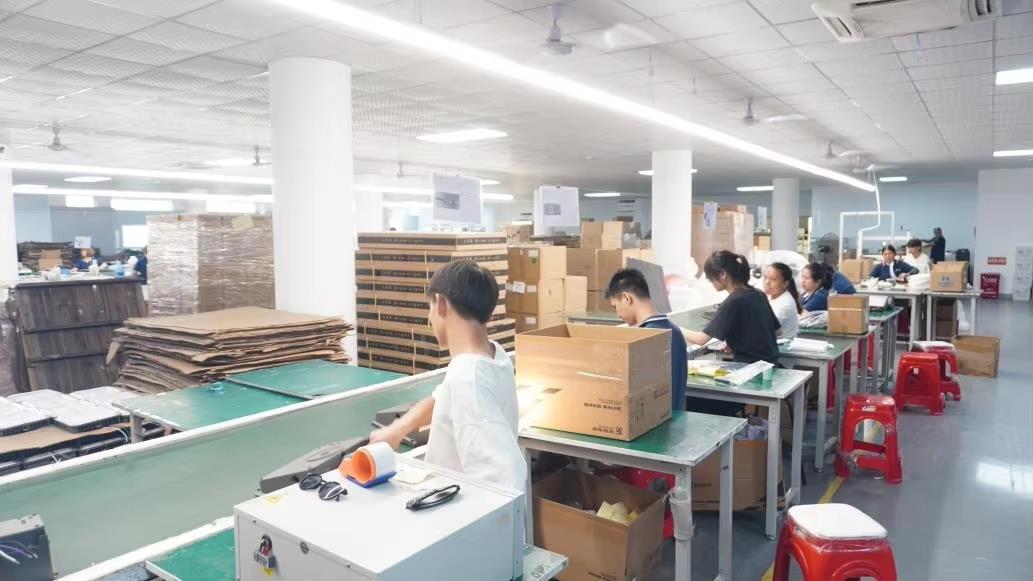
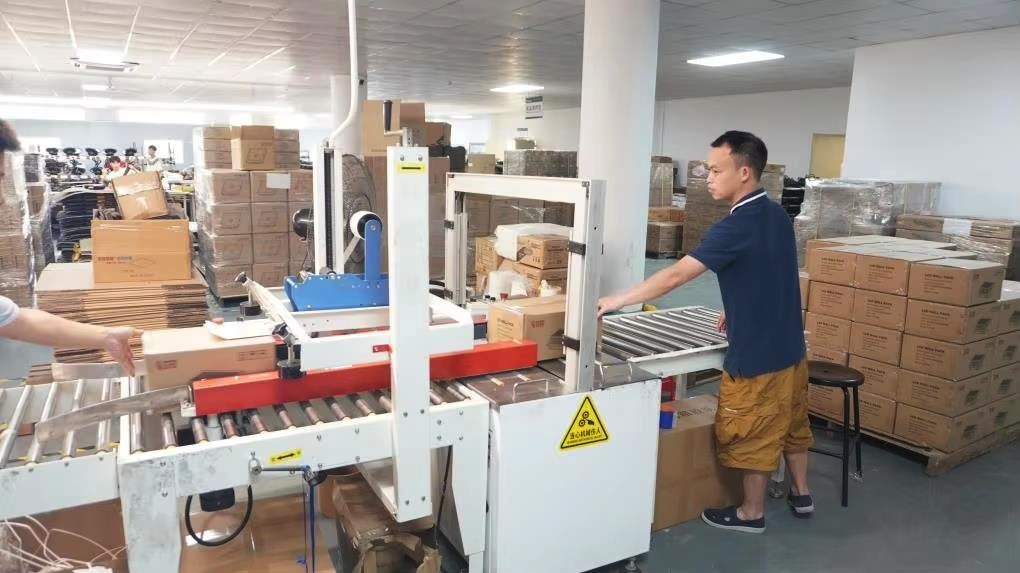
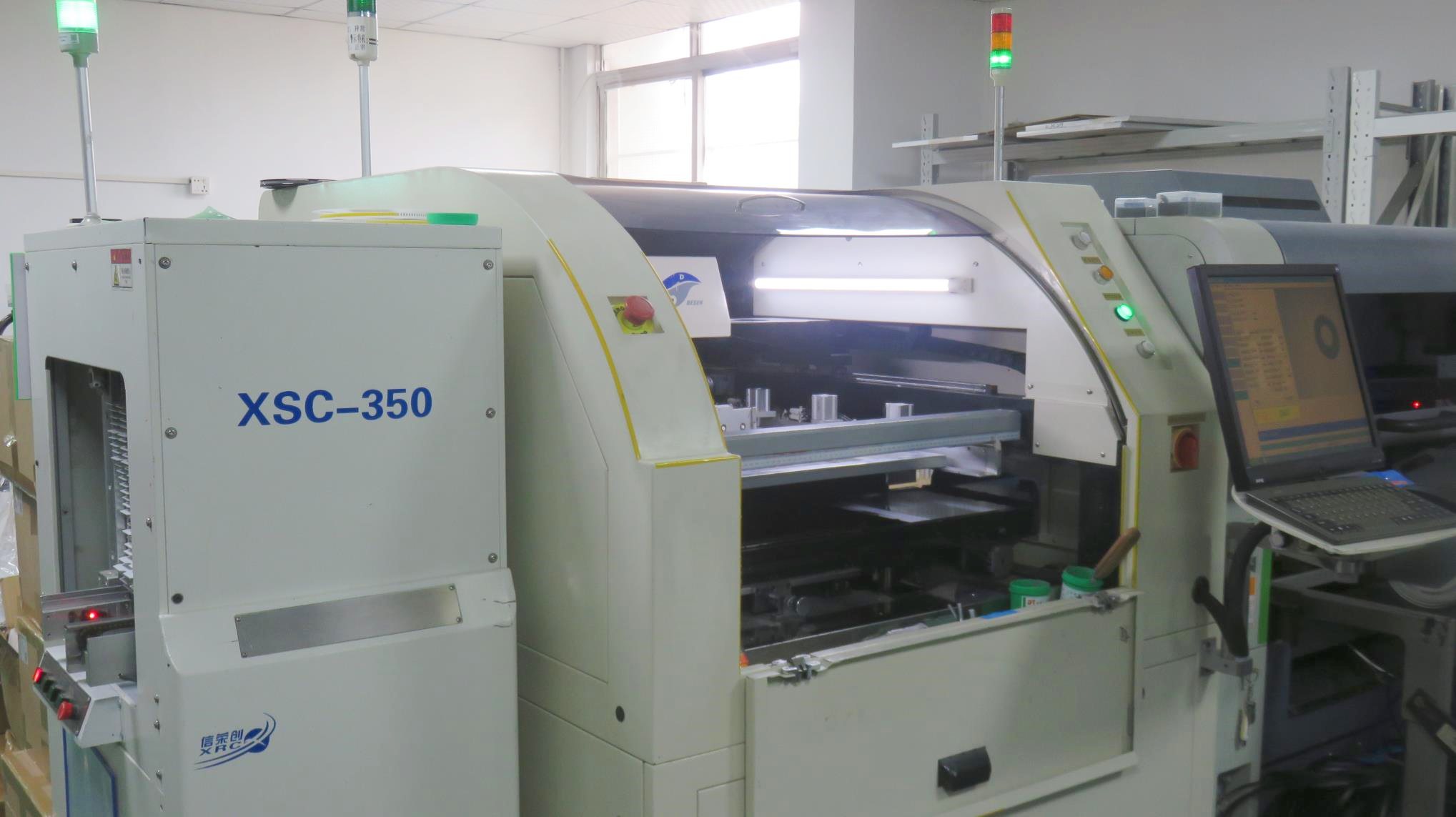
Internal Operations & Assembly Line Workflows

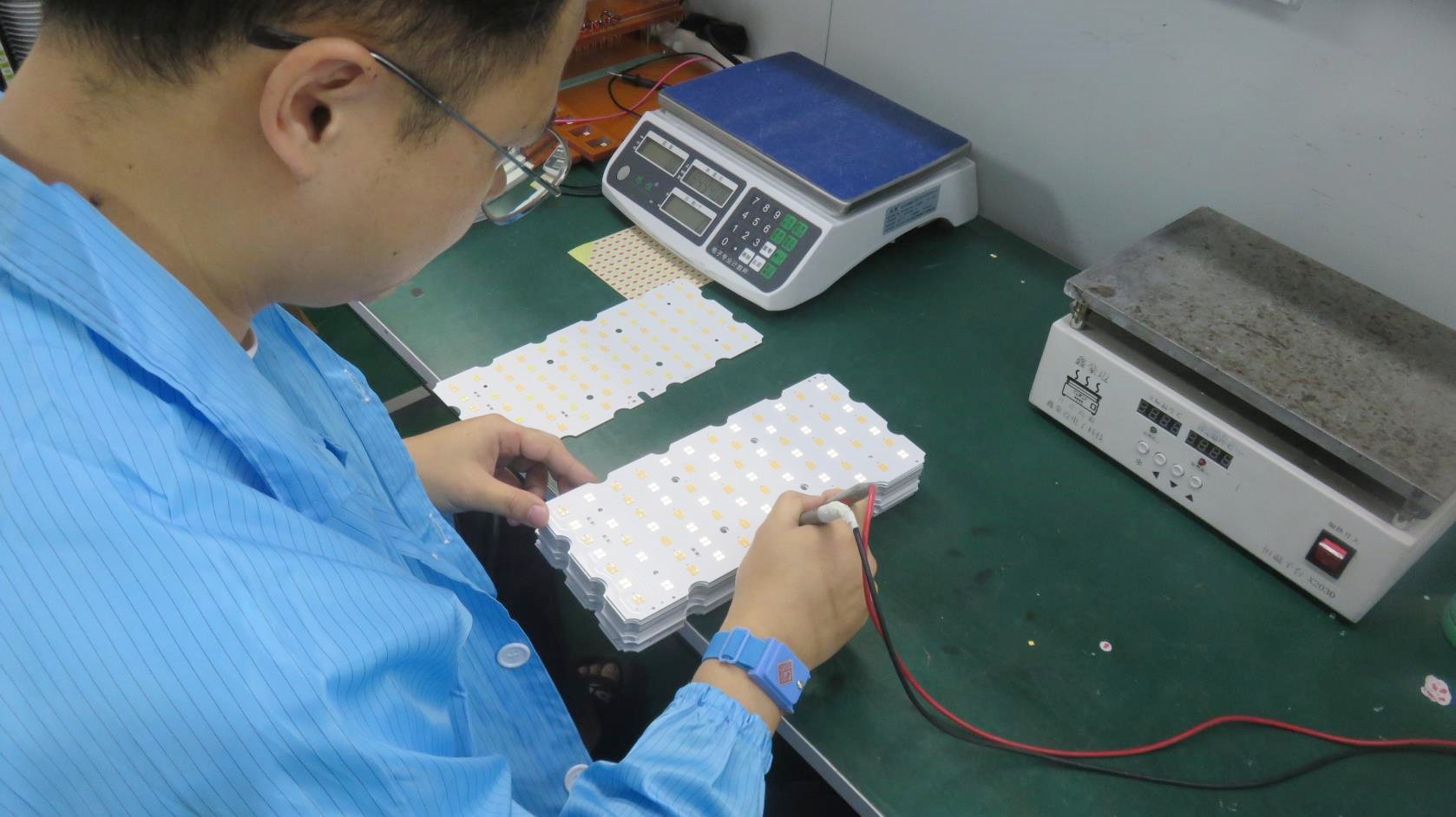
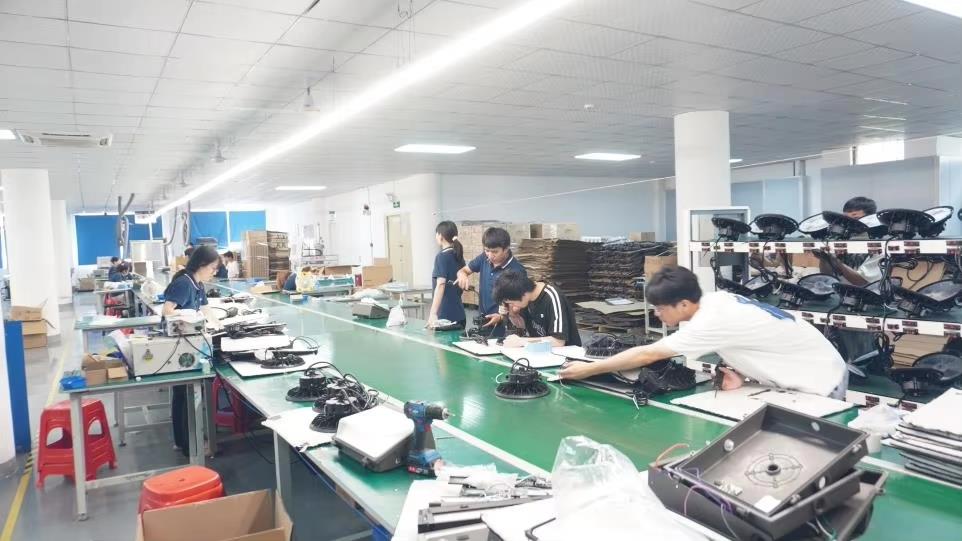
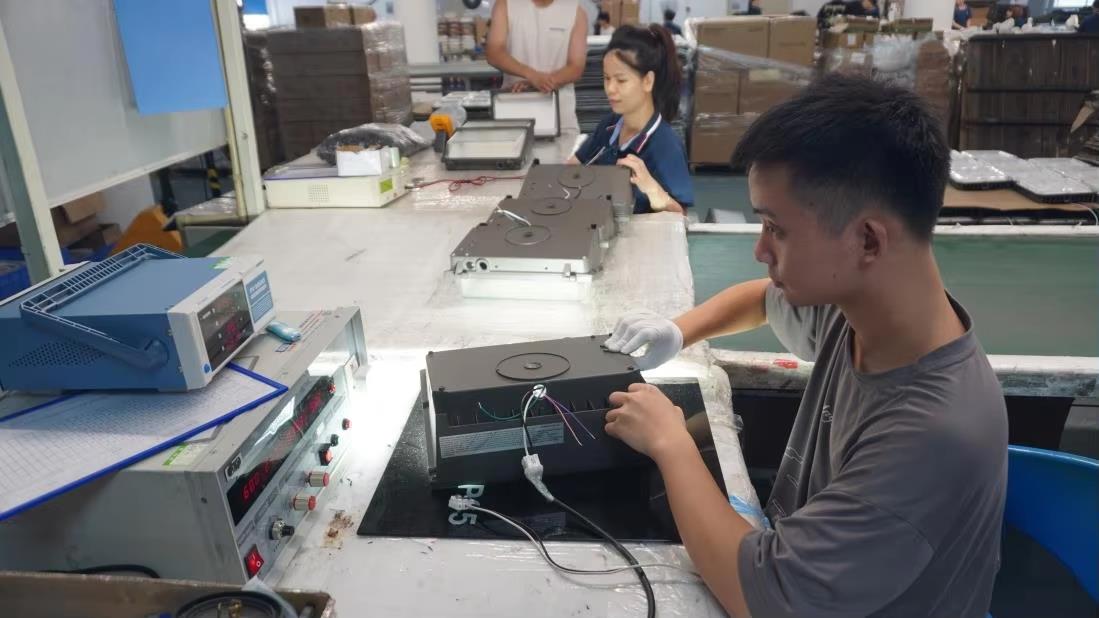
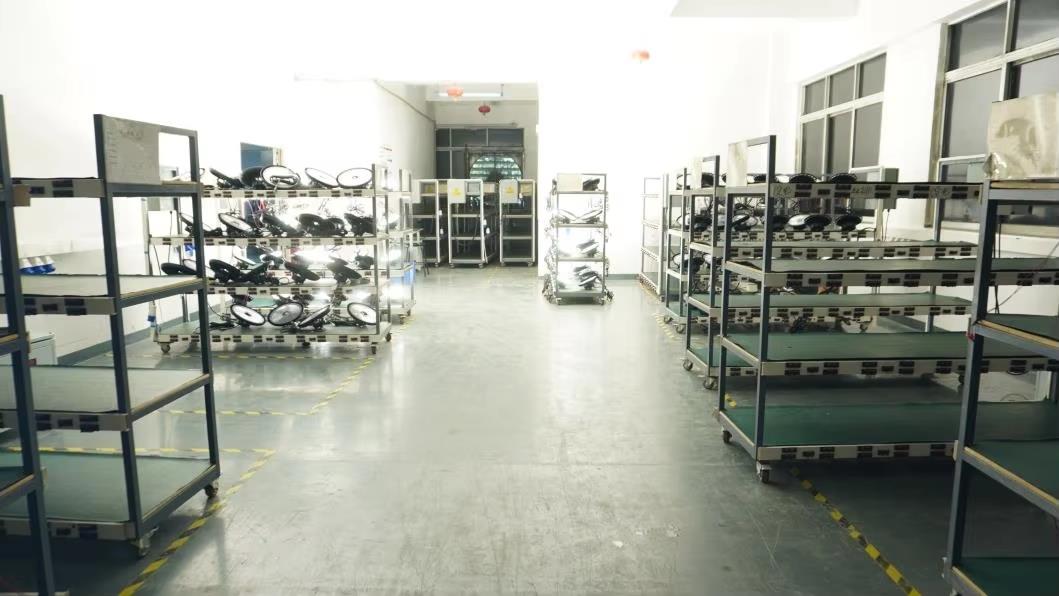
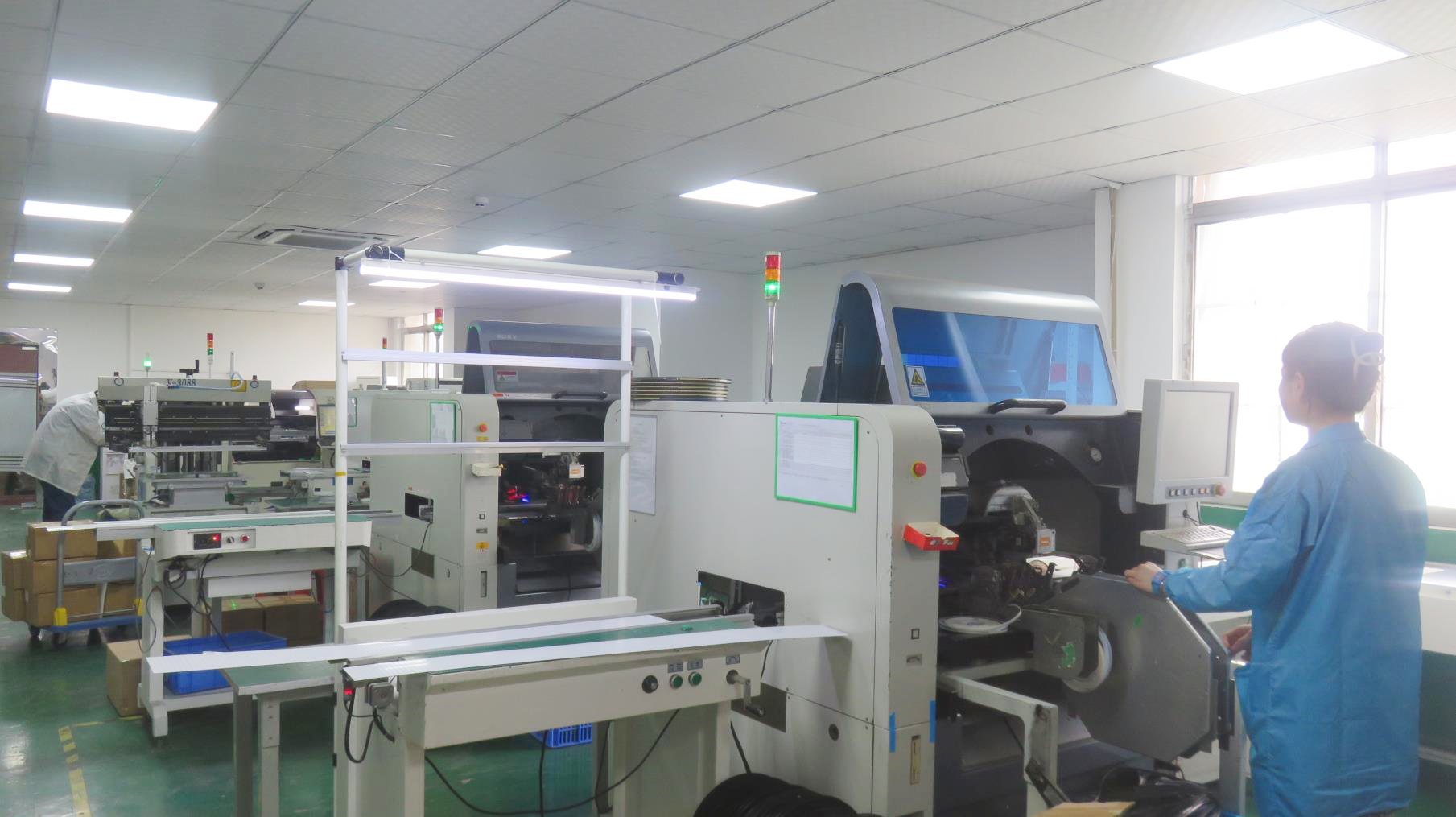
Our factory facility integrates advanced automated lines, high-frequency SMT machinery, and comprehensive environmental stress chambers to guarantee standard-compliant performance.
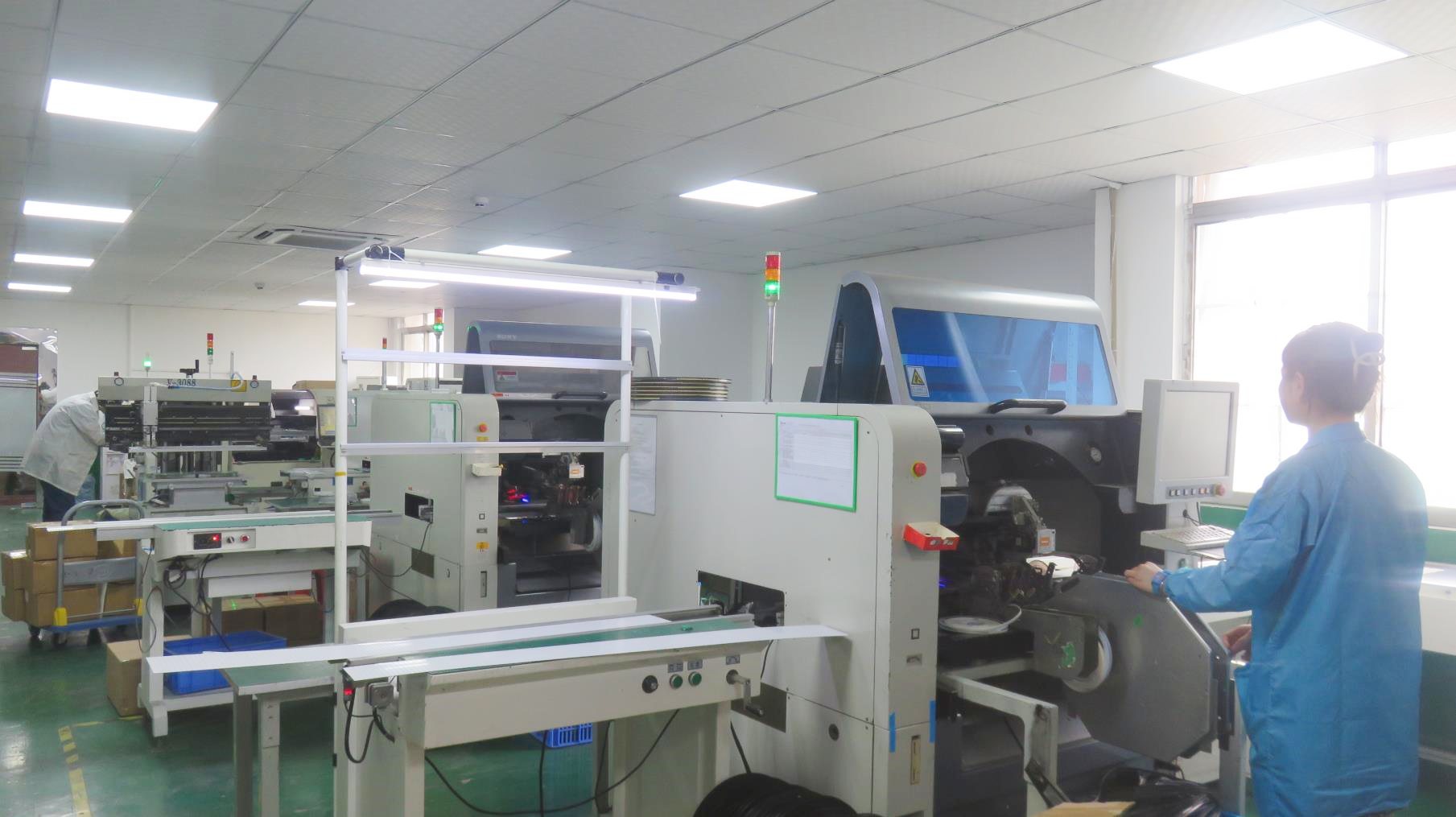
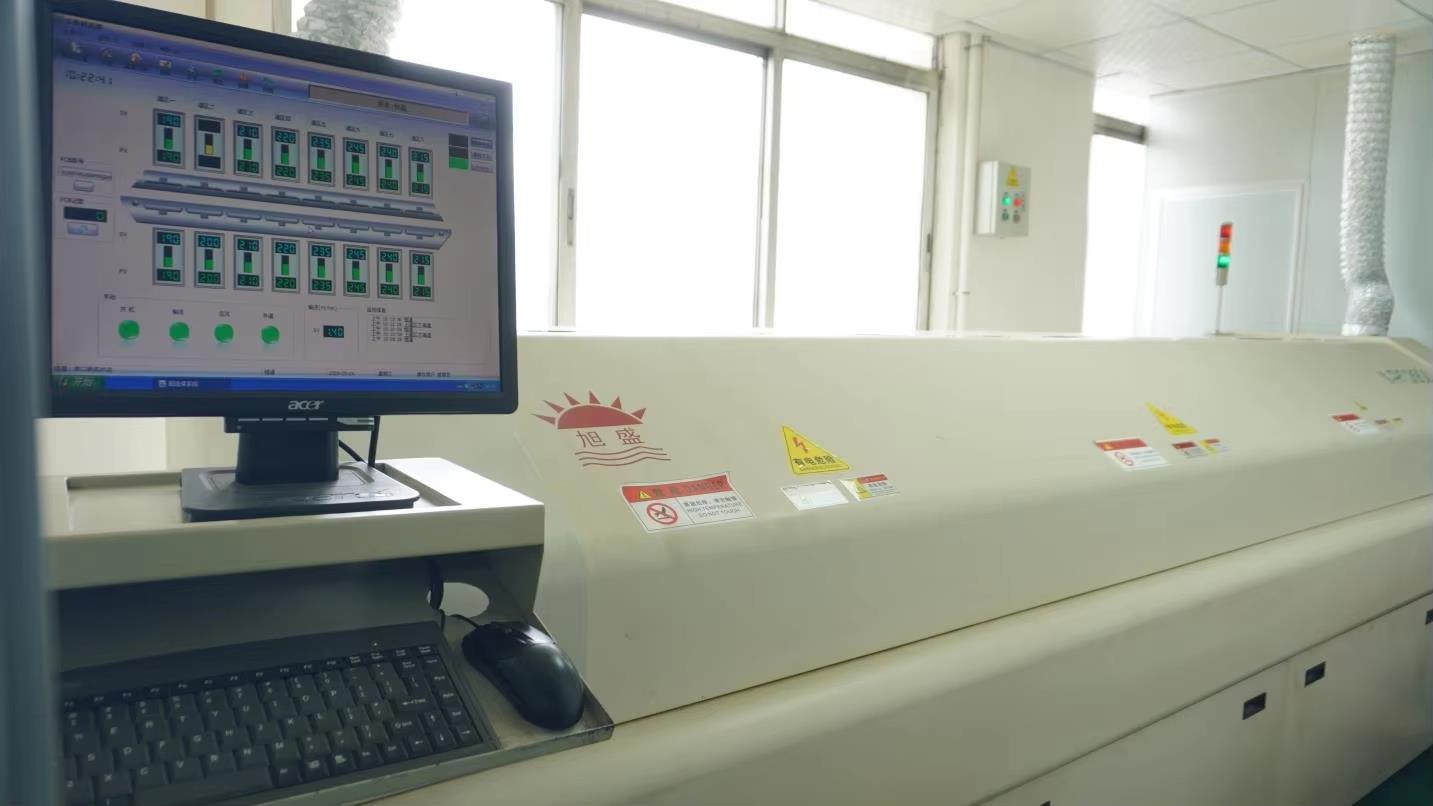
Guangdong Dorde Lights SMT Process
SMT
Reflow Soldering Line
Reflow Soldering
LED Chip Testing Stage
Testing
Structural Light Assembly
Assembly
Functional Lighting Test
Lighting Test
High Voltage Aging Test Chamber
Aging Test
Manual Visual Inspection
Visual Inspection
Packaging Area
Packaging
Automated Packing Machine
Packing Machine
Laser Printing Press for Certification Marks
Printing Press
Secondary SMT Machine Quality Check
SMT

3. China's LED Supply Chain Resiliency & Production Efficiencies

The Pearl River Delta in Guangdong remains the world's most concentrated and highly optimized LED manufacturing cluster. The strategic advantage of sourcing from top trusted factories in this region is founded on vertical industrial integration. From copper clad laminates for PCBs and aluminum extrusion profile facilities to local packaging of world-class semiconductor emitters, every component is manufactured within a two-hour logistics radius.

This geographical proximity eliminates logistics bottlenecks, dramatically reduces prototyping cycles, and guarantees rapid turnaround times for customized projects. When global distributors order linear luminaires from a dedicated facility like Guangdong Dorde Lights, they are leveraging an optimized network designed to mitigate raw material price fluctuations and maintain rigid dispatch timelines.

Supply Chain Integrity: Industrial resilience is secured through multi-stage vendor verification. Lead times are controlled via long-term contracts with silicon-carbide substrate foundries, ensuring that driver components (IC chips, capacitors, and internal copper transformers) maintain stable delivery schedules even during semiconductor supply pinches.

4. Technological Roadmap & Commercial Trends

As lighting systems become integral to modern smart building infrastructure, manufacturers are designing products around three main pillars:

  1. Ultra-High Efficacy (lm/W Optimization): While standard commercial retrofits average 120 lm/W, the next-generation roadmaps feature designs achieving 180 to 210 lm/W. This is achieved by utilizing larger, highly efficient blue chips coated with premium nitride-based phosphors, combined with a high-transmittance frosted polycarbonate (PC) cover.
  2. Human Centric Lighting (HCL) & Tunable White: Integrating dual-channel driver architectures allows end-users to shift CCT from warm 2700K up to a crisp 6500K dynamically. This mirrors natural daylight curves, shown to improve concentration and performance in institutional and commercial facilities.
  3. IoT Control & Wireless Protocols: Modern configurations include embedded Bluetooth Mesh, Zigbee, or DALI-2 chipsets directly inside the tube end caps, enabling zone dimming, daylight harvesting, and occupancy sensing without requiring secondary relay boxes.

5. Industrial & Localized Application Case Studies

Commercial lighting designs must perform reliably in diverse environmental conditions. A high-quality linear fixture must match the operational parameters of its specific setting:

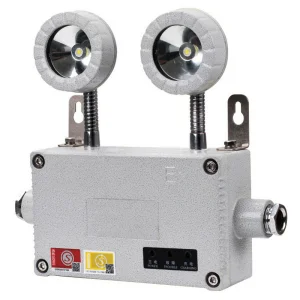
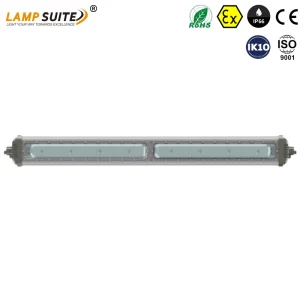
  • Hazardous Industrial Plants (ATEX Environments): For petrochemical facilities and milling plants, specialized heavy-duty batten fixtures provide safe, spark-free illumination. These fixtures are constructed with thick, high-impact polycarbonate tubes and flameproof cast-aluminum end pieces.
  • Cold Storage & Food Processing Facilities: Sub-zero environments degrade standard driver components. Dedicated linear configurations utilize low-temperature electrolyte capacitors and silicone gaskets to maintain IP66/IP67 ingress ratings, preventing moisture ingress and interior frosting.
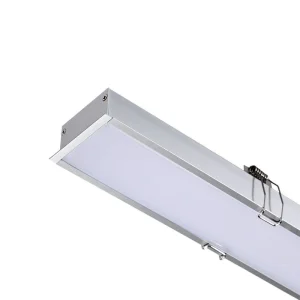
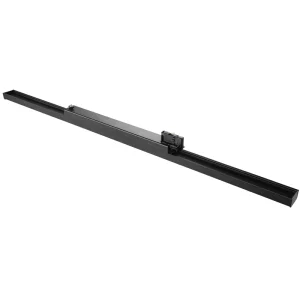
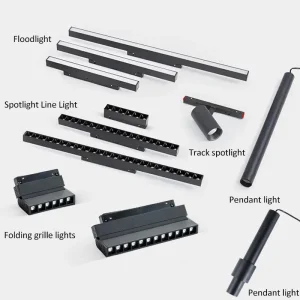
  • Commercial High-End Retail & Offices: Modern designs emphasize low unified glare indexes (UGR < 19) and high color rendering (CRI > 90). The integration of magnetic tracking, pendant installations, and recessed profiles helps designers highlight merchandise and architectural features with clean, uninterrupted light.
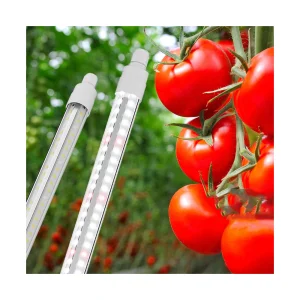
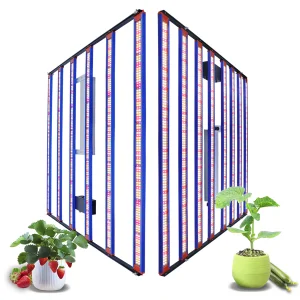
  • Controlled Environment Agriculture (CEA): Tailored full-spectrum configurations are engineered to optimize photosynthesis. By using specialized wavelengths and IP65 dust- and moisture-proof enclosures, these grow systems sustain high yields in indoor commercial farms.

6. International Compliance & Quality Standards Verification

For project engineers, specifying a non-compliant luminaire is a serious liability risk. Reliable manufacturing hubs operate under ISO 9001 quality management procedures and ensure that products carry authentic third-party certifications appropriate for their destination markets:
  • Europe (CE, RoHS, ErP): Compliance ensures that electronic assemblies do not exceed threshold limits for hazardous substances and that the drivers satisfy strict EMI limits under EN 55015.
  • North America (UL/ETL Listed, DLC Premium): UL 1598 certification is critical for safety validation, while DLC qualification qualifies commercial properties for substantial utility rebates.
  • Hazardous Zones (ATEX, IECEx): These rigorous certifications guarantee that lighting systems cannot act as an ignition source in explosive gas or combustible dust environments.

Frequently Asked Questions (FAQ)

What is the primary difference between Type A, Type B, and Type C LED tubes?
Type A tubes function with an existing fluorescent electronic ballast (plug-and-play). Type B requires the ballast to be bypassed, connecting the mains voltage directly to the sockets (internal driver). Type C operates with a dedicated external remote driver, which delivers low-voltage DC to the tube for optimal efficiency, safety, and control.
How does Guangdong Dorde Lights Co. Ltd. ensure long-term driver reliability?
We use high-temperature-rated capacitors (typically rated for 105°C) and robust IC controllers to handle grid fluctuations. In addition, every completed batch undergoes extensive automated aging tests and thermal camera inspections to identify and eliminate potential failure points before packaging.
Why is the color consistency (SDCM) of LEDs important in large commercial installations?
SDCM stands for Standard Deviation of Color Matching. A rating of SDCM < 3 (or 3-step MacAdam Ellipse) ensures that the human eye cannot perceive any variations in light color between adjacent tubes. This prevents the uneven, patchy appearance common in low-end installations.
What certifications are required for exporting industrial lighting to Europe?
The minimum requirements include the CE mark, which verifies safety and electromagnetic compatibility (LVD and EMC directives), and RoHS compliance. The new ErP directive also mandates strict energy labels and circular design criteria, making user-replaceable or repairable components a priority.
Can LED grow lights completely replace natural sunlight in commercial farming?
Yes, high-intensity horticultural fixtures utilizing Samsung LM301H or other advanced full-spectrum LEDs are designed to emit the ideal photosynthetic active radiation (PAR) spectrum. They mimic or enhance natural sunlight to sustain growth through all stages of development indoors.