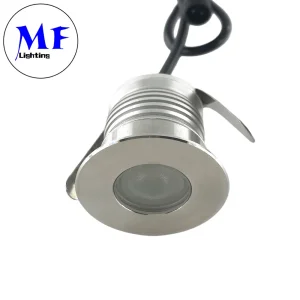
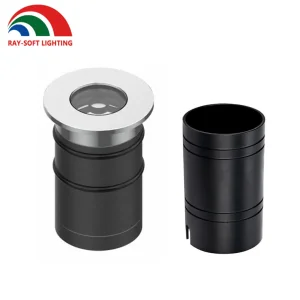
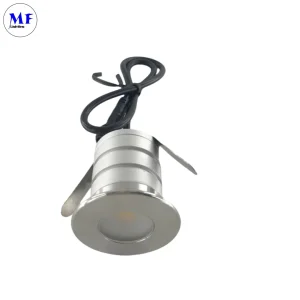
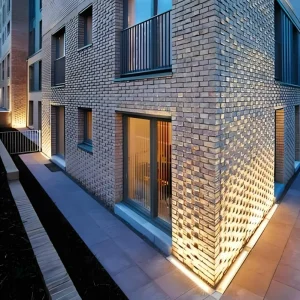
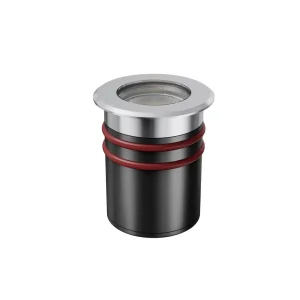
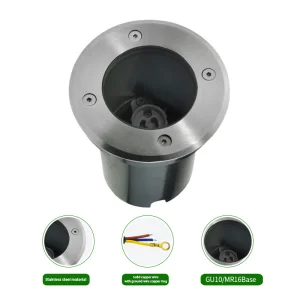
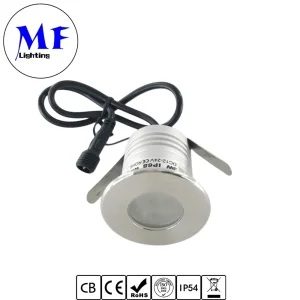
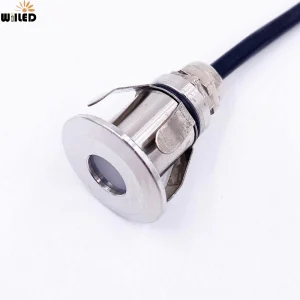
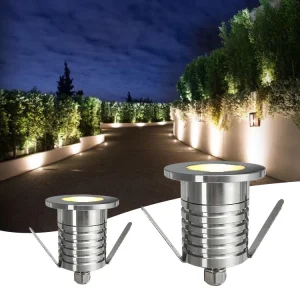
Premium architectural and commercial inground solutions tailored for immediate import and deployment.
The global outdoor lighting landscape is experiencing an unprecedented evolution driven by architectural integration, structural sustainability, and smart control paradigms. Within this matrix, the demands of the Latin American infrastructure sector, with Brazil at its absolute vanguard, have created a highly specialized market for inground and buried lighting solutions. As municipalities from São Paulo to Manaus undergo digital transformations under Smart City initiatives, and private developers expand premium high-density projects, the need for high-performance outdoor luminaires has reached a critical inflection point.
Historically, underground luminaires have represented one of the most failure-prone product categories in outdoor electrical contracting due to harsh environmental stress. Water ingress, physical damage from heavy vehicular traffic, thermal cycling, and chemical corrosion often turn subpar lighting products into costly operational liabilities within months of commissioning. This risk is exponentially higher in Brazil, where unique meteorological conditions and structural grid complexities require engineering standards far exceeding general global baselines.
To succeed as an inground light exporter to Brazil, an engineering team must design not for average parameters, but for environmental extremes. The Brazilian territory is characterized by substantial atmospheric salinity across its 7,490 km coastline, extensive sub-tropical rain cycles that produce sudden standing-water floods, and prolonged solar irradiance cycles. Standard architectural lighting using standard aluminum alloys or basic IP65 sealing will inevitably degrade under these conditions. The electrochemical action of saline air accelerates standard galvanic corrosion, while the thermal expansion of internal cavities creates vacuum forces that draw in moisture during heavy rainfalls.
Consequently, importers and distributors serving public works or high-end commercial projects in Brazil focus intensely on component specifications. This includes demanding certifications on thermal management, seal longevity, and material purity. Importers want to see products with high structural integrity—such as those employing 316L stainless steel bezels, optical-grade tempered glass, and custom-molded silicone gaskets.
Entering the Brazilian market requires navigating its strict regulatory landscape. Unlike deregulated regions, Brazil enforces strict certification protocols to protect its consumers and ensure safety across the public power grid. Any exporter targeting municipal retrofits or high-end residential landscapes must design their electrical and mechanical structures to comply with domestic guidelines, specifically through INMETRO standards and NBR directives.
Our drivers are engineered to withstand unstable voltage inputs from 90V to 305V, preventing premature driver failure caused by grid surges.
We utilize double-gasketed compression seals with anti-condensation valves (breathable membranes) to manage pressure changes and block damp air.
Components utilize passivated Marine Grade 316L SS trim and specialized powder coats, resisting high salinity along Rio and Recife coastlines.
Furthermore, Brazil's municipal power distribution system is diverse, with nominal operational voltages varying by state. For example, parts of São Paulo run on 127V/220V, whereas states in the northeast may run predominantly on 220V networks. Outdoor driver design must accommodate this grid landscape. Guangdong Dorde Lights Co. Ltd. addresses these needs by integrating wide-voltage, high-power-factor drivers (PF > 0.95) that easily handle both regional fluctuations and high-voltage anomalies, offering a reliable plug-and-play solution for local contractors.
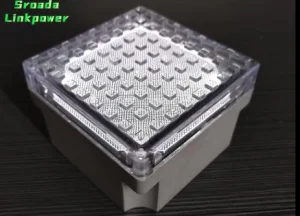
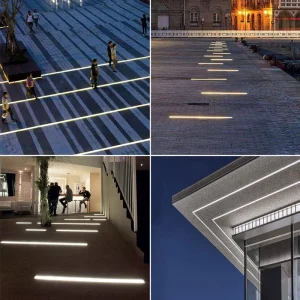
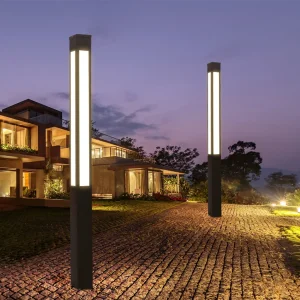
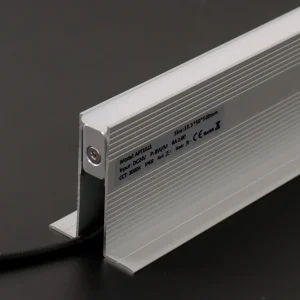
Specialty linear brick and decorative path light units engineered for public squares, commercial walkways, and high-end landscaping.
Our extensive suite of inground lighting products has been deployed in diverse applications across Brazil. The selection of materials, optical components, and thermal dissipation systems are closely linked to these dynamic, real-world deployment challenges.
Coastal walk paths face constant exposure to salt mist, high humidity, and pedestrian traffic. Utilizing standard metals leads to immediate pitting corrosion and degradation. For these projects, we specify our marine-grade 316L stainless steel products. The inclusion of molybdenum in the 316L alloy makes the faceplate highly resistant to chloride-induced pitting. Combined with low-voltage DC24V circuits, these fixtures deliver reliable performance and safety in wet environments.
In historic plazas and heritage zones, the lighting must illuminate classical architecture without altering the physical structures. Inground uplights provide non-intrusive illumination. Using warm white (2700K - 3000K) or high-CRI (Color Rendering Index > 90) chips, the textures of colonial stone facades and plaster elements are preserved. Adjustable internal optics allow installers to direct beams precisely, minimizing light pollution and glare in public walkways.
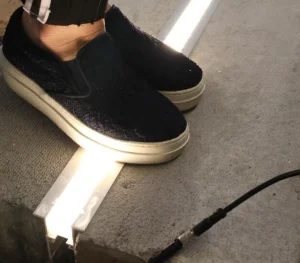
Commercial driveways, plazas, and pedestrian malls experience high traffic, including heavy municipal vehicles. Standard inground lights can crack under these loads. We utilize thick, high-impact tempered glass (rated for static load weights up to 5,000 kg) combined with thick, low-copper die-cast aluminum housings to ensure structural integrity. This prevents cracking and helps avoid subsequent moisture ingress.
Modern luxury communities and nature reserves prioritize energy savings and minimal dark-sky disturbance. Our solar-powered and DMX-controlled LED fixtures integrate into these spaces, providing low-voltage pathway marking and automated color-temperature adjustments. In remote resorts, off-grid solar models leverage day-charge/night-illuminate cycles, reducing trenching costs and site disruption.
Founded in 2007, Guangdong Dorde Lights Co. Ltd. is a professional manufacturer specializing in LED lighting solutions for residential, commercial, and industrial applications. With years of experience in the lighting industry, we are committed to delivering reliable, energy-efficient, and high-performance lighting products to customers worldwide.
Dorde Lights is dedicated to the research, development, and production of modern LED lighting products. Our product range includes LED panel lights, downlights, linear lights, and customized lighting solutions. By combining practical engineering with contemporary design, we aim to create lighting that is both functional and visually refined.
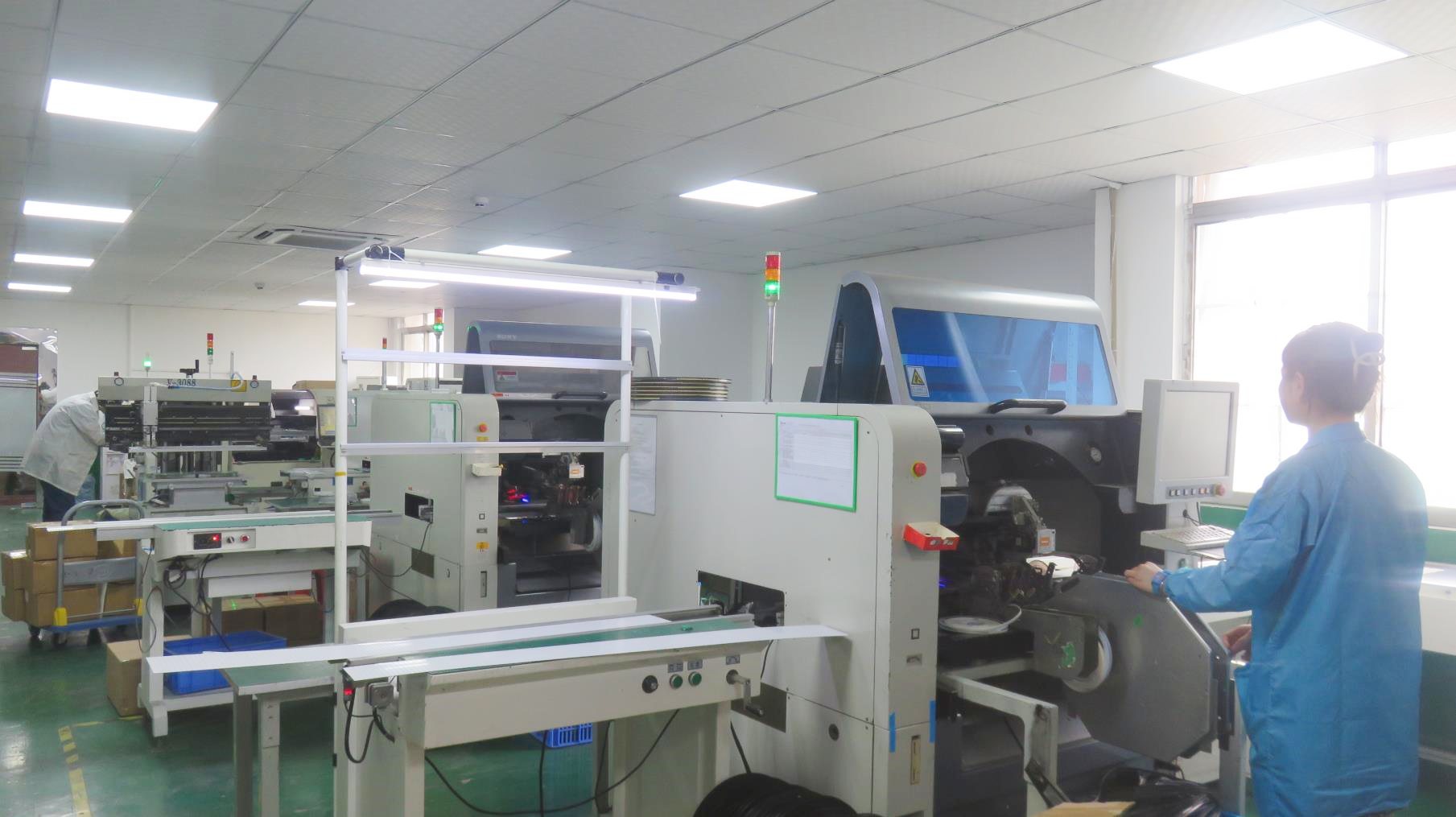
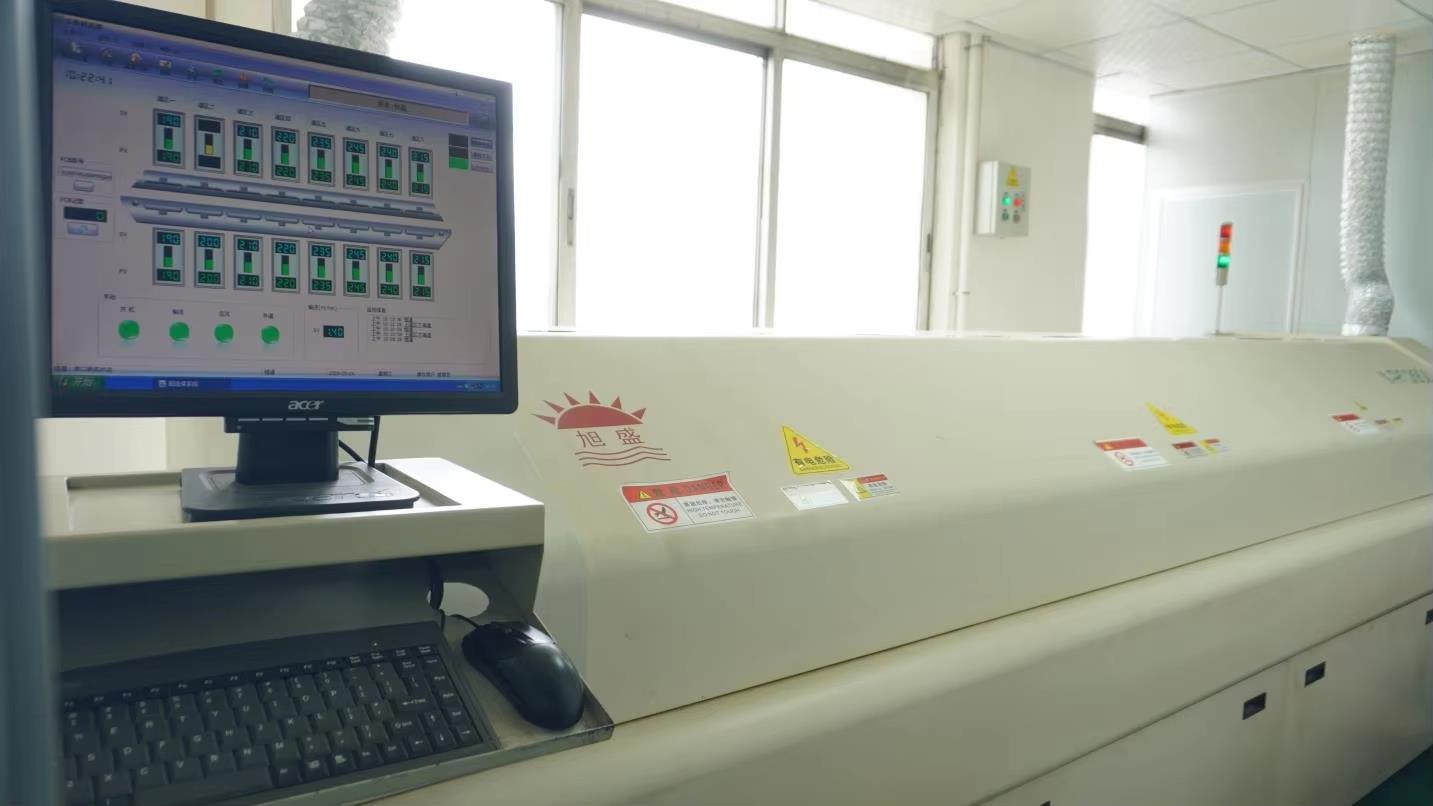
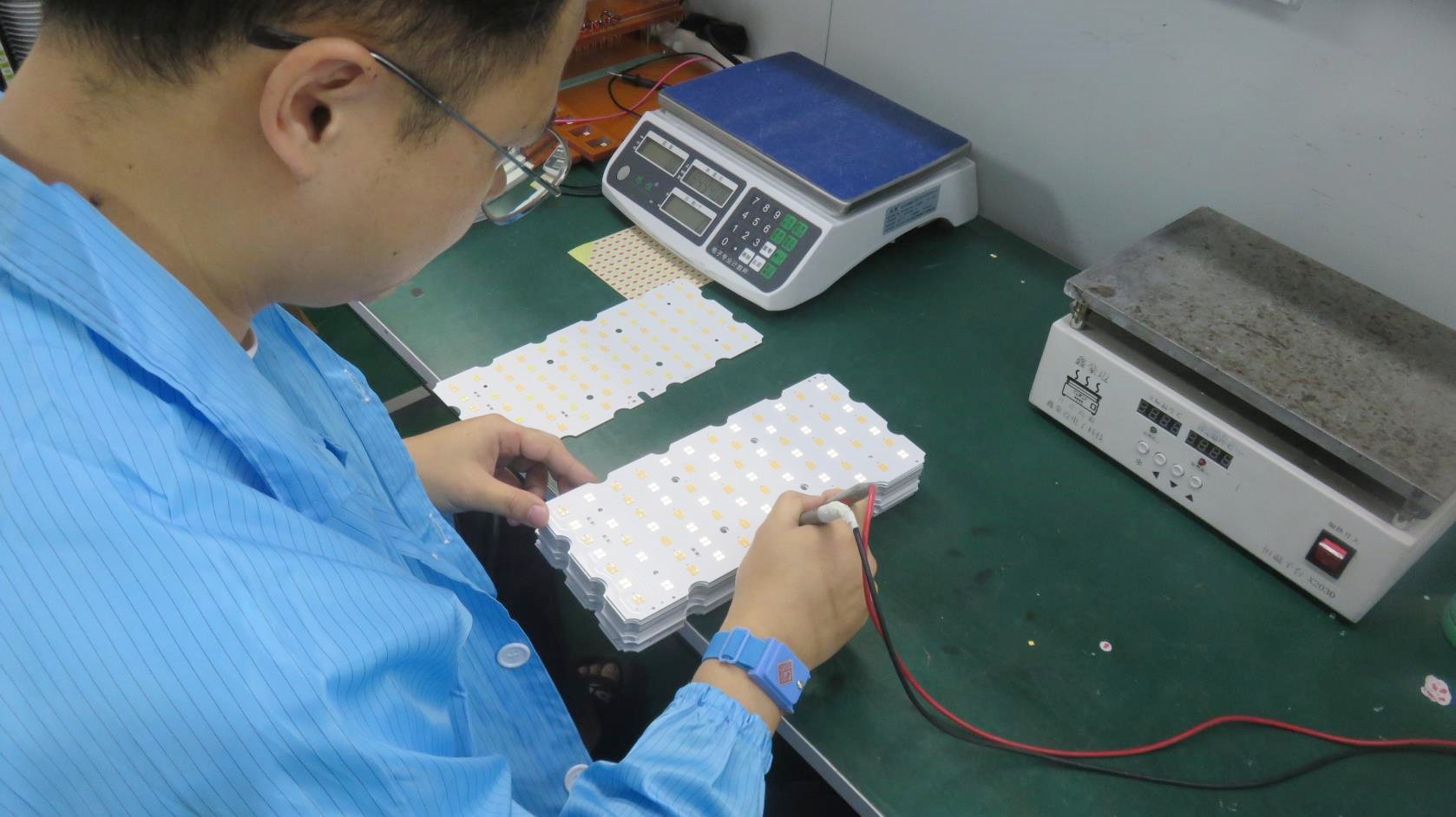
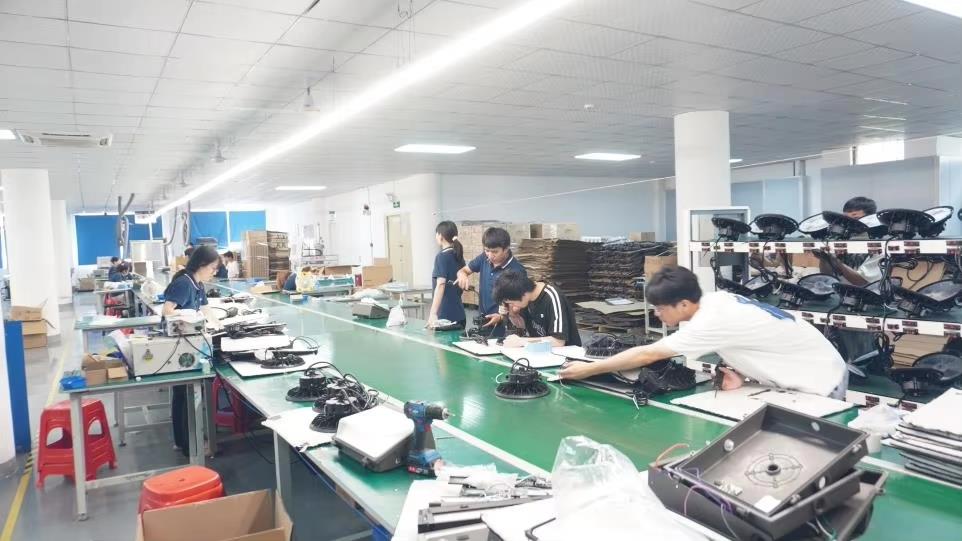
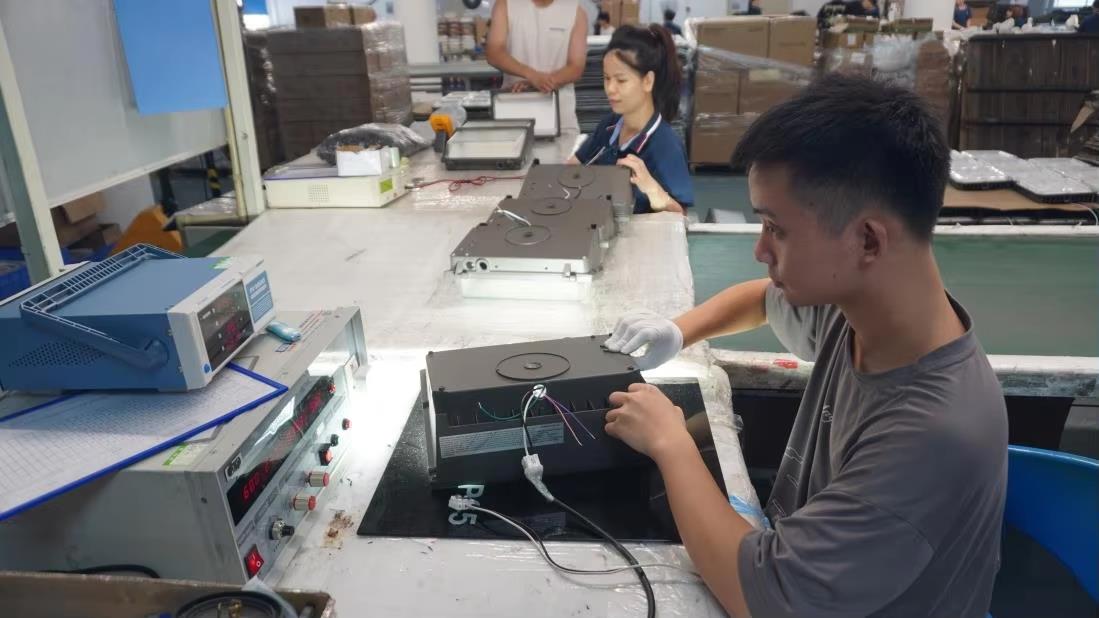
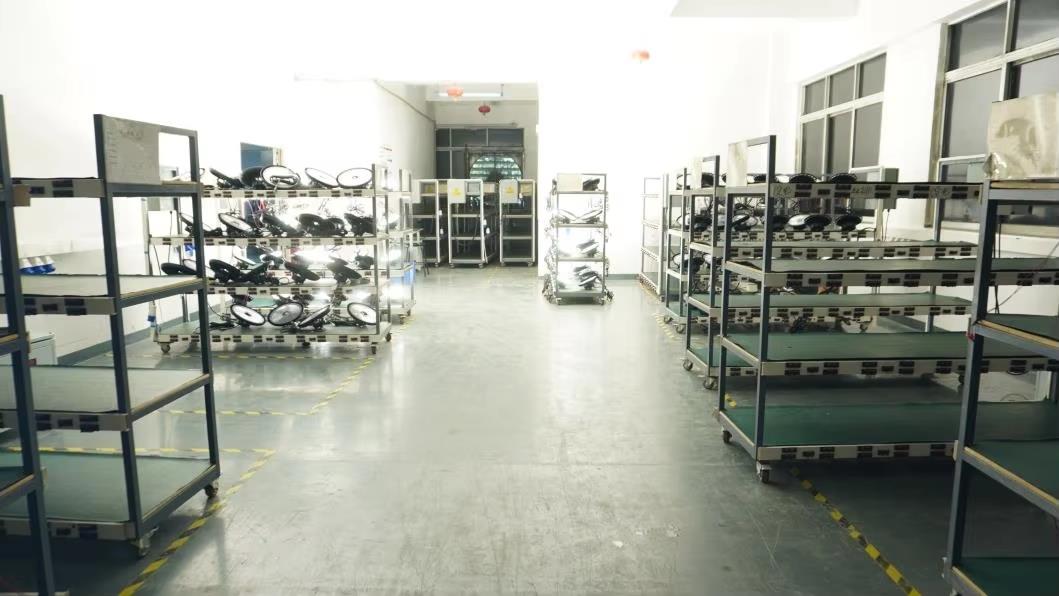
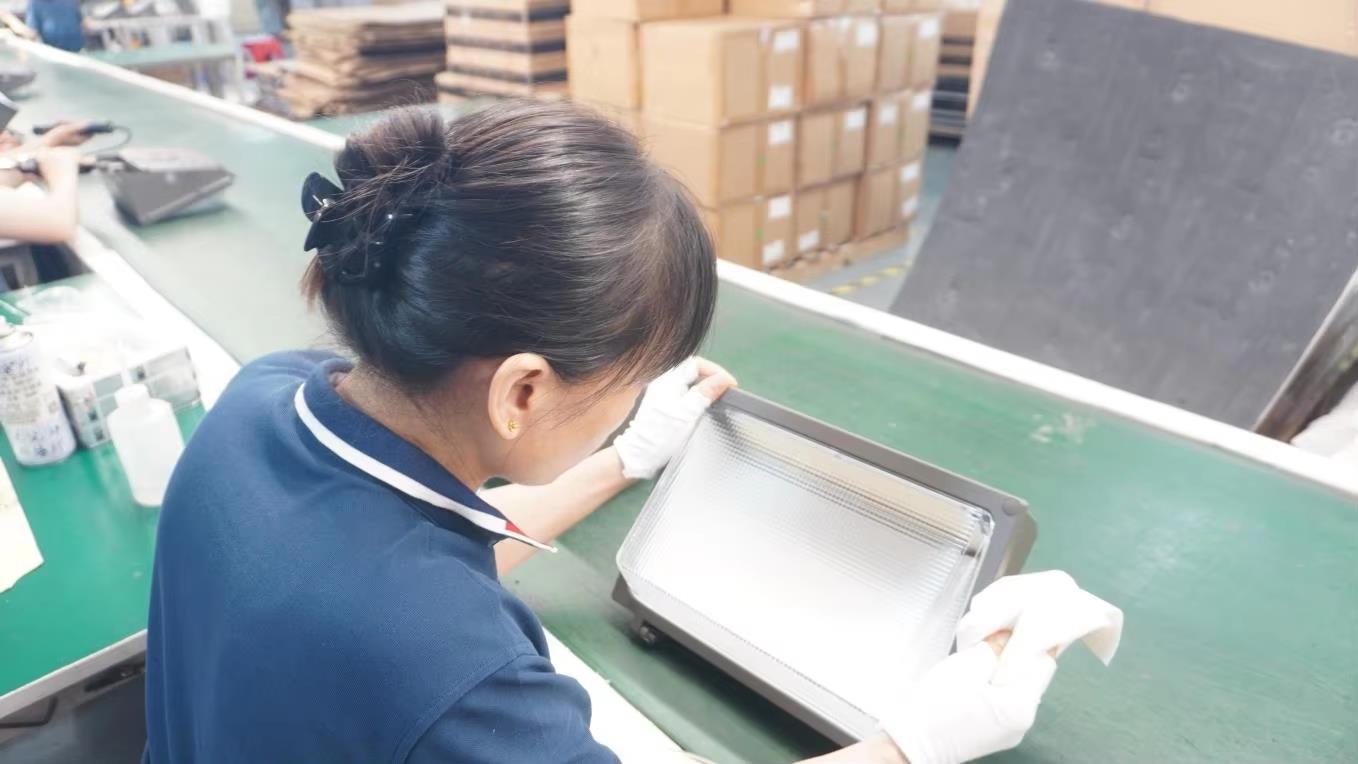
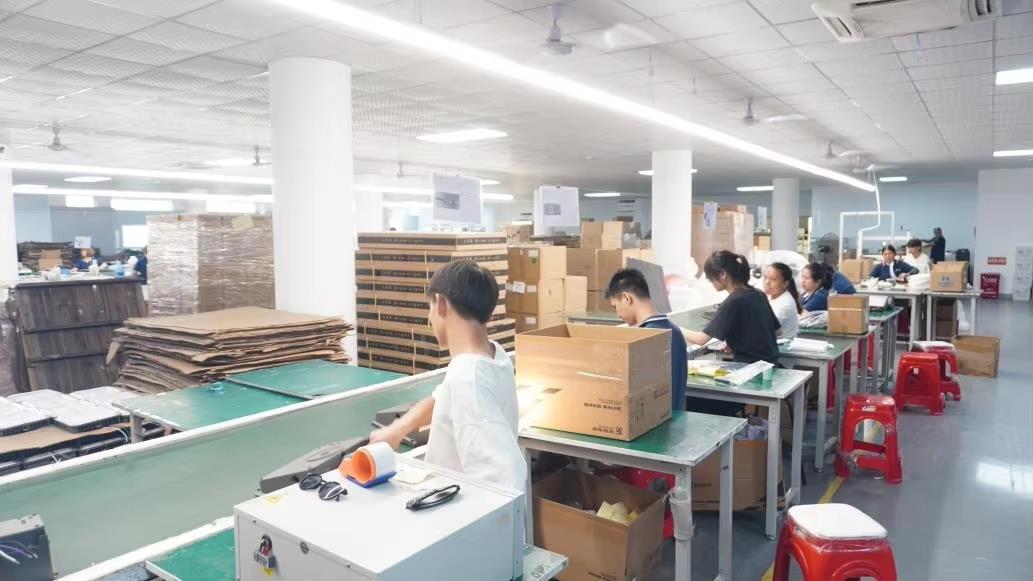
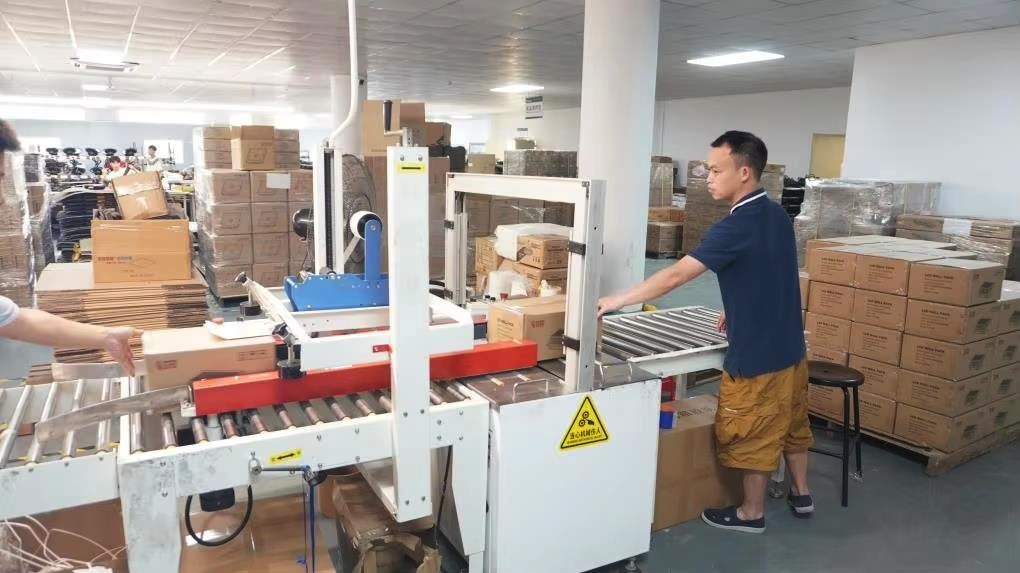
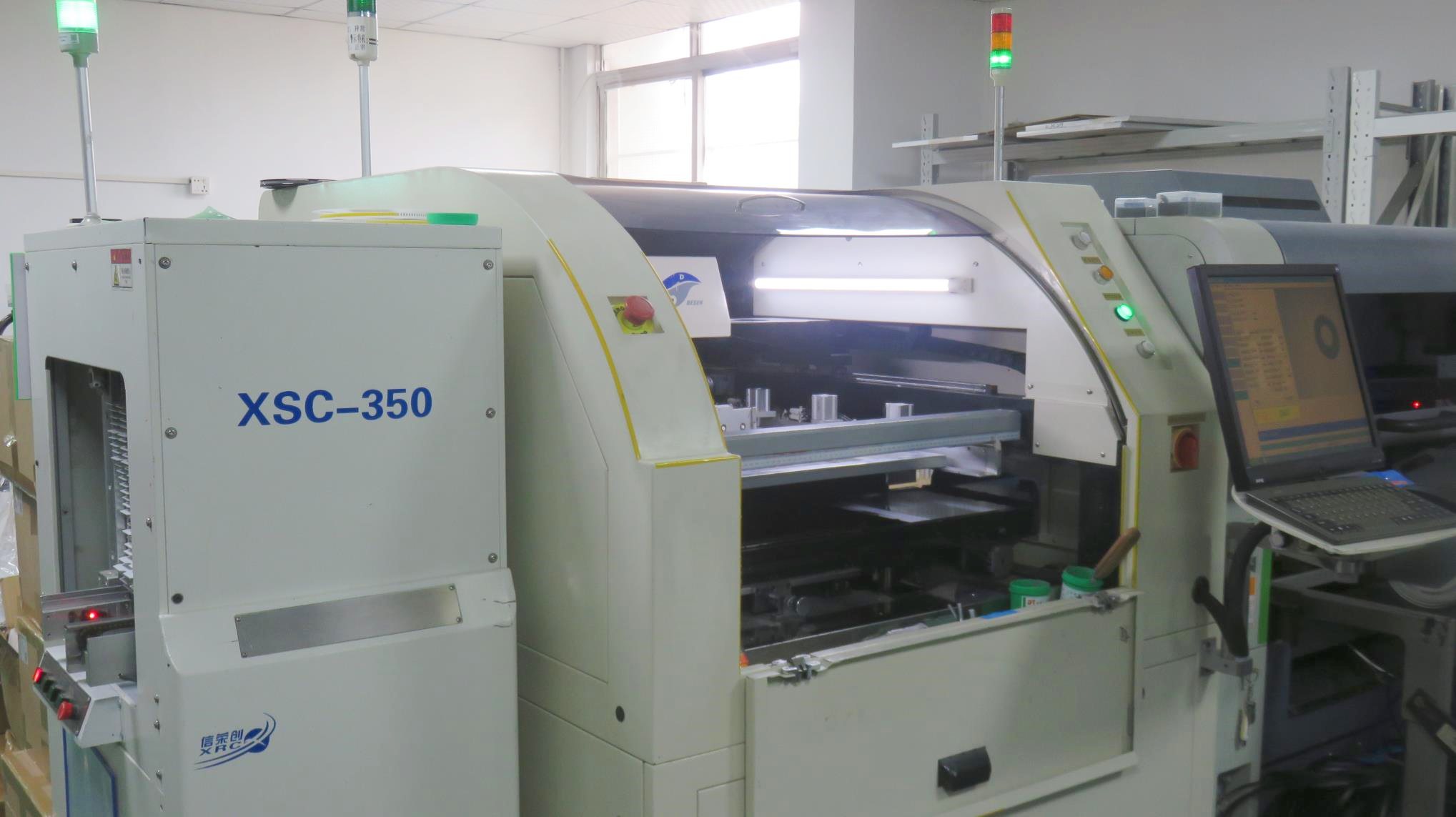
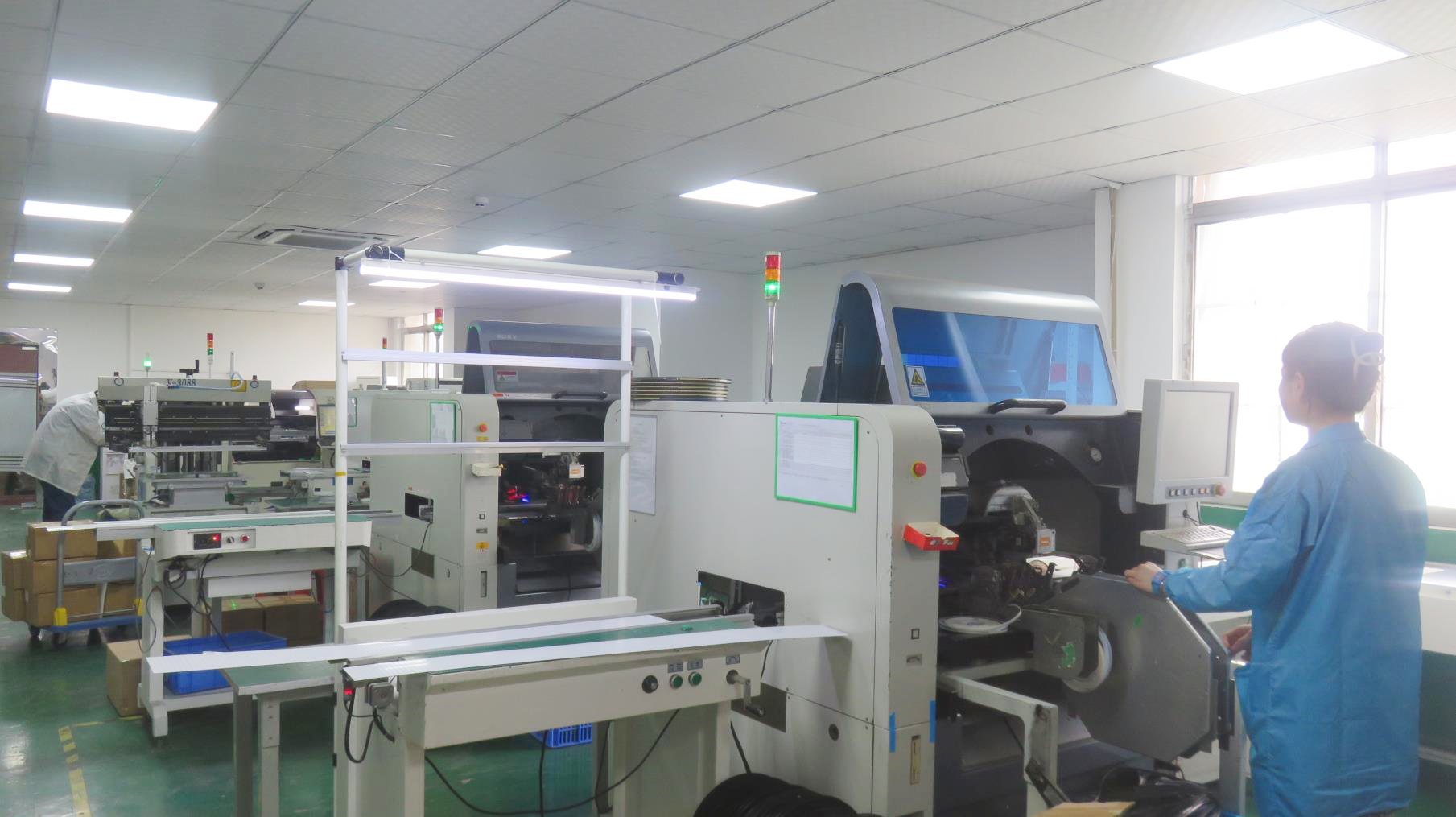
With a well-established production system and stable supply chain partnerships, we ensure consistent product quality, competitive pricing, and efficient delivery. Our manufacturing process follows strict quality control standards at every stage—from material selection to final inspection—ensuring reliability and long-term performance.
We provide flexible OEM and ODM services to meet the diverse needs of global clients. By working closely with distributors, project contractors, and brand owners, we develop tailored lighting solutions that align with different market requirements and application scenarios.
At Dorde Lights, we believe long-term success comes from trust and consistency. We are committed to maintaining close cooperation with our partners and continuously improving our products and services to adapt to evolving market demands.
Our vision is to become a trusted global LED lighting manufacturer recognized for quality, innovation, and customer-focused solutions. We will continue to invest in product development and manufacturing excellence to bring better lighting experiences to users around the world.
The landscape of inground architectural lighting is shifting toward smart controls and improved material durability. As a primary exporter serving global markets, our technical development roadmap focuses on resolving key historical issues associated with buried lighting—such as water intrusion, mechanical impact, and complex control routing.
When an inground light transitions from operational mode to standby, internal temperatures drop rapidly. This cooling creates a vacuum inside the housing, pulling humid air in through microscopic seal imperfections. To prevent this, our next-generation housings integrate PTFE-based vents. These vents allow air pressure to equalize between the inside and outside of the fixture without letting water molecules pass, keeping the internal compartment dry and preventing condensation on the protective glass lens.
Modern commercial plazas and infrastructure projects require dynamic lighting control. We are transitioning our multi-color RGBW product line to DMX512-RDM (Remote Device Management) protocols. This bi-directional communication protocol allows system integrators to configure addresses, monitor LED temperatures, and track operating hours remotely from a single control unit, eliminating the need to physically open or access buried housings.
A common critique of inground uplighting is pedestrian glare. To resolve this, our optical configurations use honeycombs, deep-recessed LED engines, and precise asymmetrical linear distributions. These optical solutions direct light toward vertical surfaces, such as columns and building facades, while keeping light out of pedestrians' direct sight lines. This improves visual comfort in public squares and garden pathways.
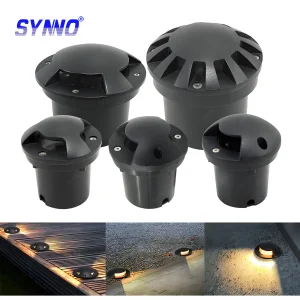
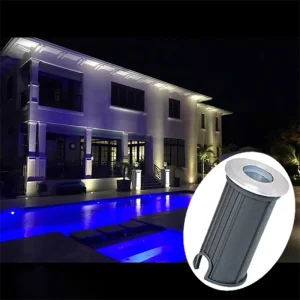
High-reliability, certified inground, buried, and underwater models for commercial, public sector, and residential installations.
Our technical engineering team is ready to assist with project specs, photometric design layouts (DIALux), and custom regulatory documentation for Brazil imports.
Send Inquiry Now Dorde Lights