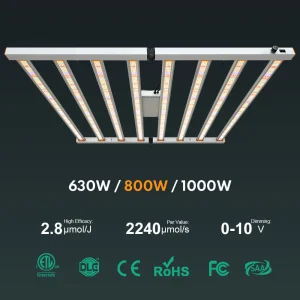
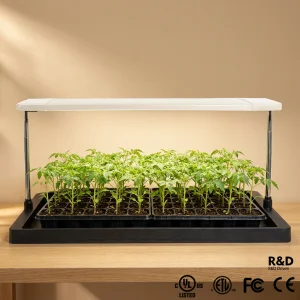
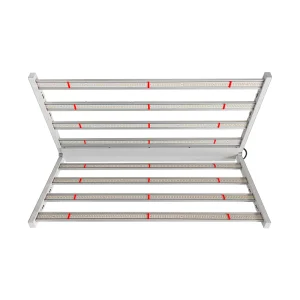
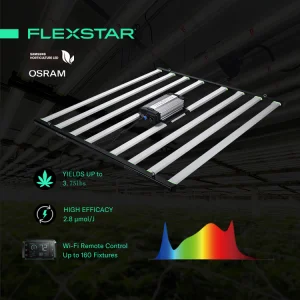
Designed to satisfy the stringent requirements of Controlled Environment Agriculture (CEA) facilities in Japan, our flagship products deliver highly customizable spectral profiles, maximize PPFD efficiency, and incorporate commercial-grade components for long-term structural longevity.
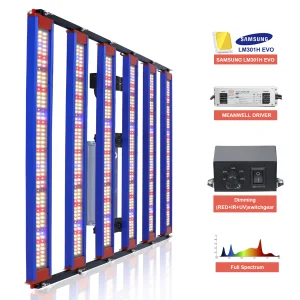
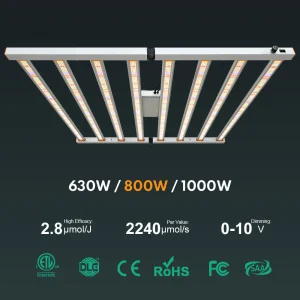
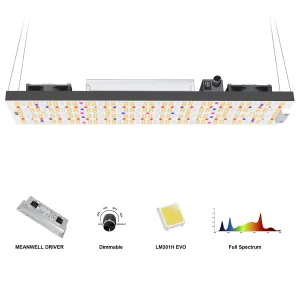
Located within the Aichi Prefecture—traditionally recognized as one of Japan’s most productive agricultural zones—Nagoya has emerged as a critical hub for next-generation Controlled Environment Agriculture (CEA). As the regional population transitions to dense urban environments and agricultural land is optimized, traditional open-field farming is rapidly shifting toward vertical farms, plant factories (shokubutsu kojo), and sophisticated multi-span commercial greenhouses.
The demand for highly engineered horticultural lighting solutions in Nagoya is driven by specific geographic and meteorological factors. Heavy snowfalls in neighboring regions during winter and fluctuations in sunlight hours require local commercial growers to utilize supplementary lighting. LED grow lights with deep-red wavelengths (660nm) and optimized photosynthetic photon efficacy (PPE) are no longer just optional; they are vital to ensuring predictable crop yields year-round.
Furthermore, the local automotive and manufacturing industries surrounding Nagoya have influenced agricultural practices. Precision automation, robotic plant-handling machines, and climate-controlled grow tables require grow lights that can seamlessly integrate into automated industrial environments. High-performance, IP65 waterproof modular lights with built-in timing, dimming arrays, and smart interfaces (like RJ14 daisy chains and 0-10V control networks) are the standard choice for facilities throughout the region.
Our technology aligns perfectly with Nagoya's vision of integrating mechanical engineering with biotechnology. By combining the highly efficient Samsung LM301H EVO chips with customizable spectral channels, we assist commercial growers in Aichi Prefecture in maximizing crop performance while dramatically reducing their energy footprint.
The horticultural lighting industry has progressed beyond simple luminous efficacy measurements. Today’s commercial operators demand scientifically backed spectral distributions engineered to manipulate plant morphology and maximize phytochemical production.
Modern commercial operations rely heavily on premium diodes. Samsung’s LM301H EVO stands out due to its centering around a unique 437nm blue spectrum, which differs from standard white LEDs that emit blue peaks at 450nm. This shift in wavelength supports a more efficient conversion of light energy, promoting faster vegetative growth and significantly strengthening stem structures. With a diode-level efficacy exceeding 3.1 µmol/J, it is currently the industry benchmark for minimizing heat generation while maximizing light output.
A single fixed spectrum is no longer sufficient for complex crop cycles. Current commercial-grade LED fixtures utilize separate, adjustable channels for vegetative, flowering, and finishing stages:
Excess heat is the primary cause of LED degradation. Commercial systems must incorporate high-purity aluminum extrusion designs. Passive cooling, which eliminates moving parts and fans, reduces the risk of hardware failures in high-humidity cultivation settings. Additionally, conformal coatings (such as IP65 or IP67 silicone resin seals) are crucial for protecting diodes and electrical traces from moisture and fertilizer residue.
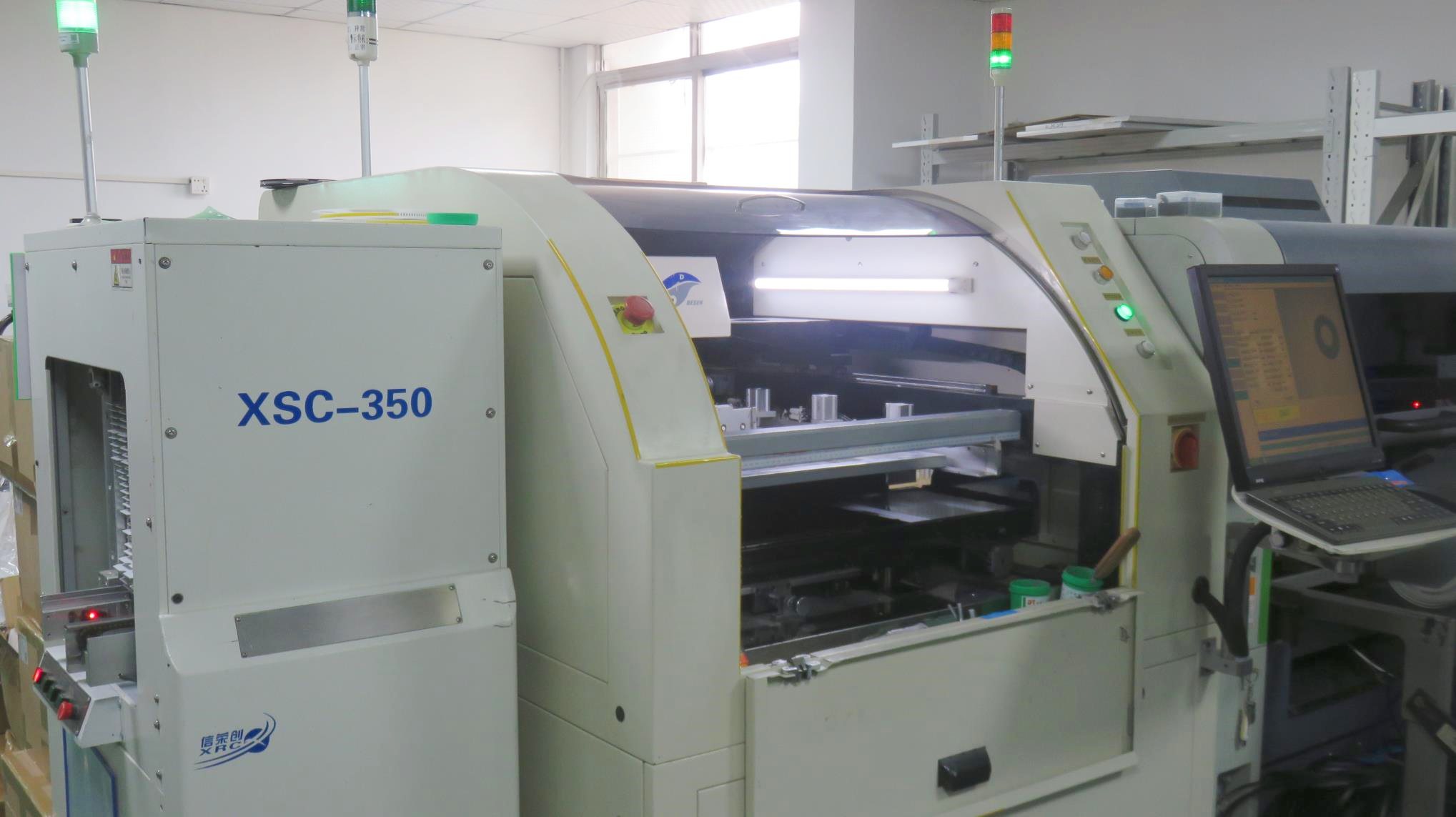
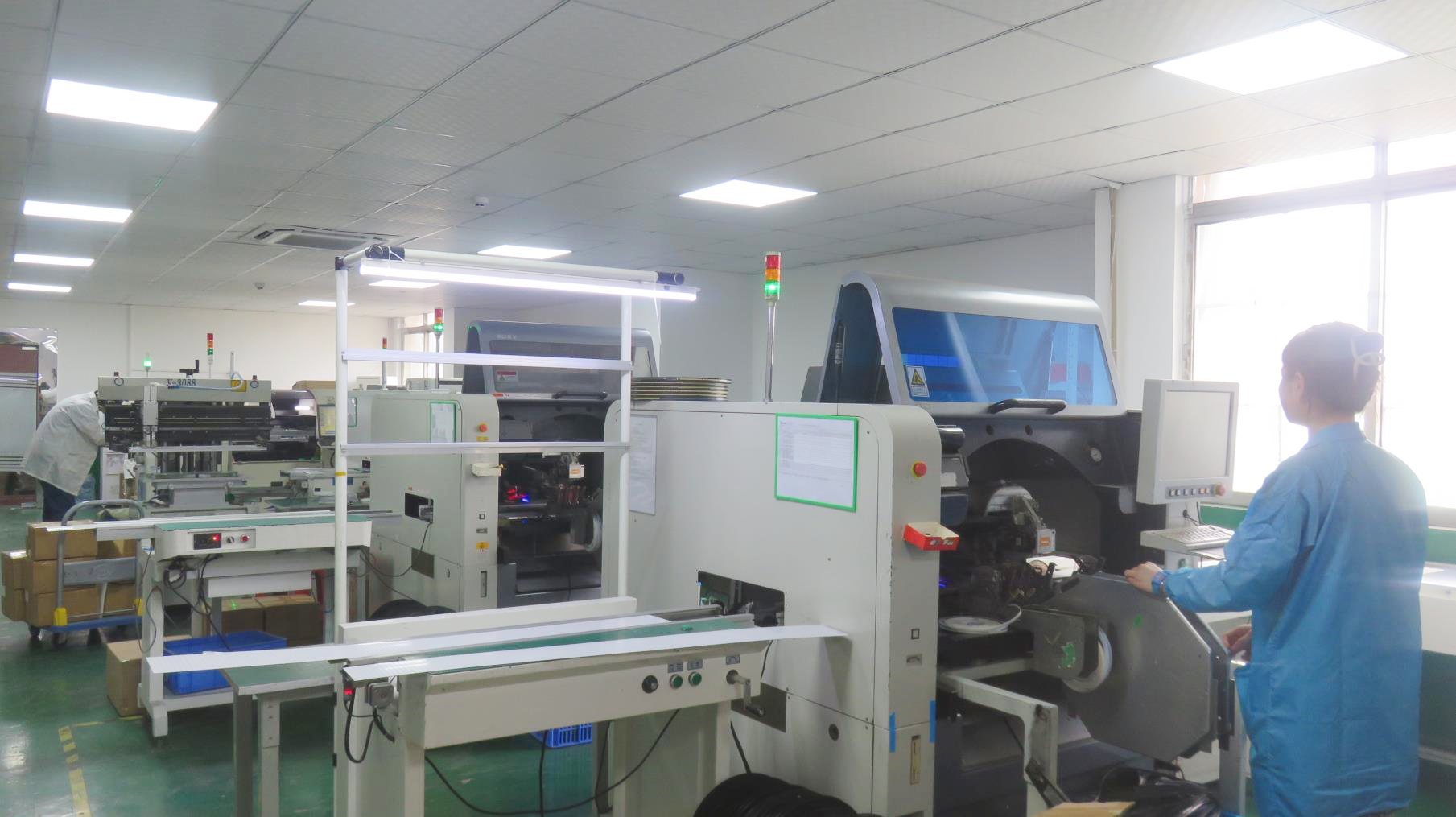
Founded in 2007, Guangdong Dorde Lights Co. Ltd. is a professional manufacturer specializing in LED lighting solutions for residential, commercial, and industrial applications. Our facility represents the cutting edge of modern Chinese Manufacturing 4.0, integrating advanced automation and automated optical inspection systems to ensure precision, reliability, and unparalleled production volume.
By utilizing a highly integrated raw-material and components supply chain in Southern China, we consistently provide premium-grade components—including MeanWell/Invertronics drivers and genuine Samsung horticultural chips—at highly competitive prices. This vertical supply integration allows us to keep lead times brief, whether supplying small vertical farms in central Nagoya or shipping container-load orders to large-scale greenhouses across North America and Europe.
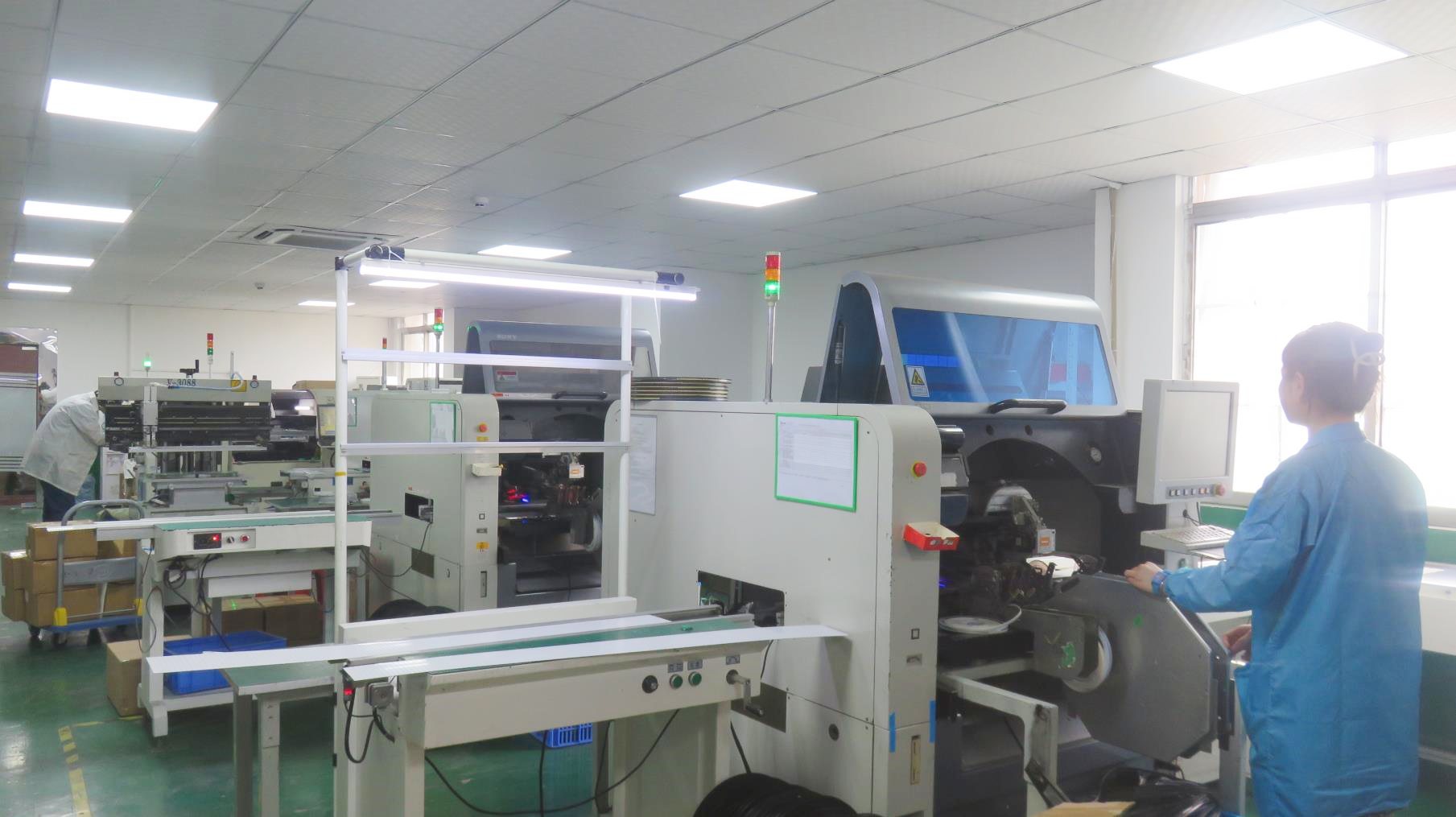
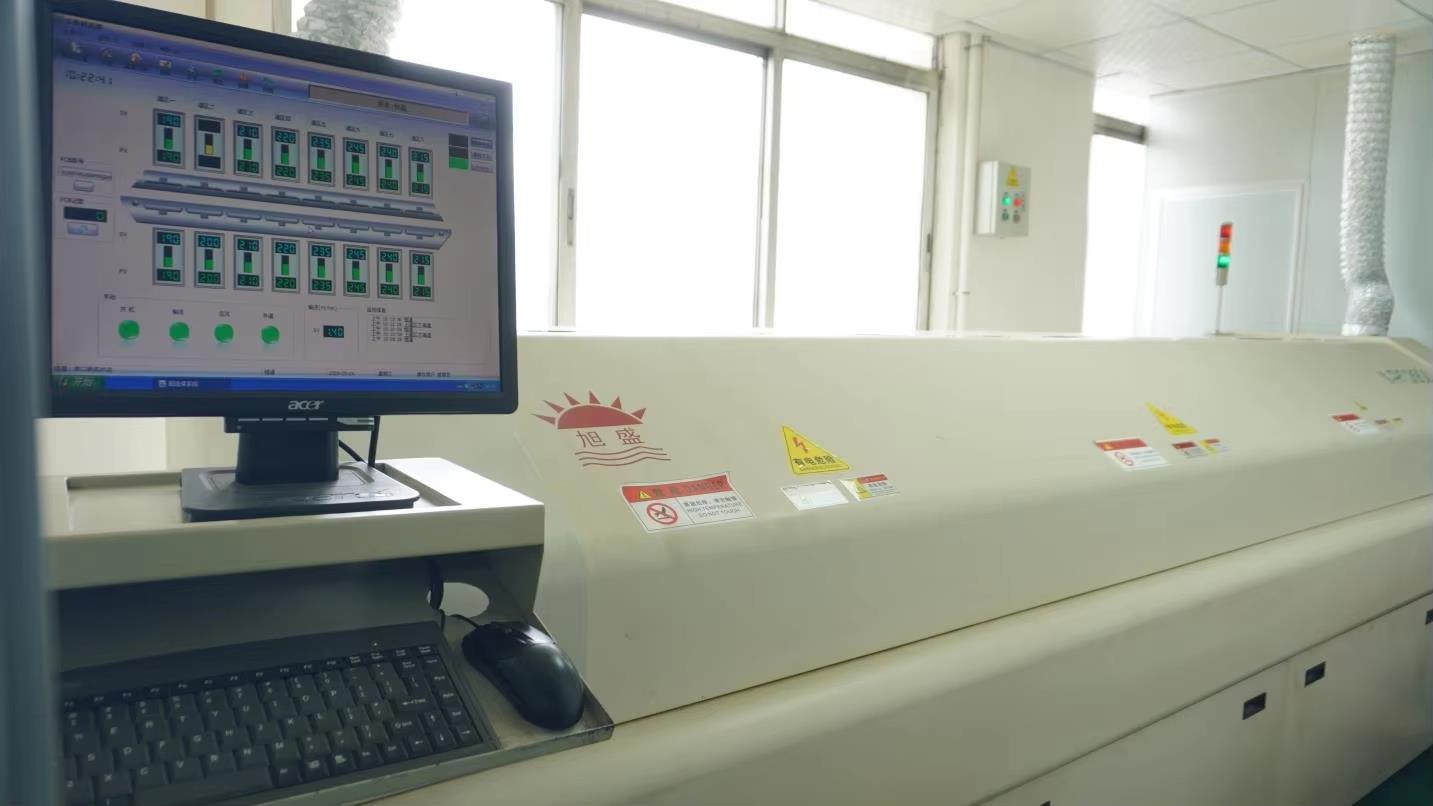
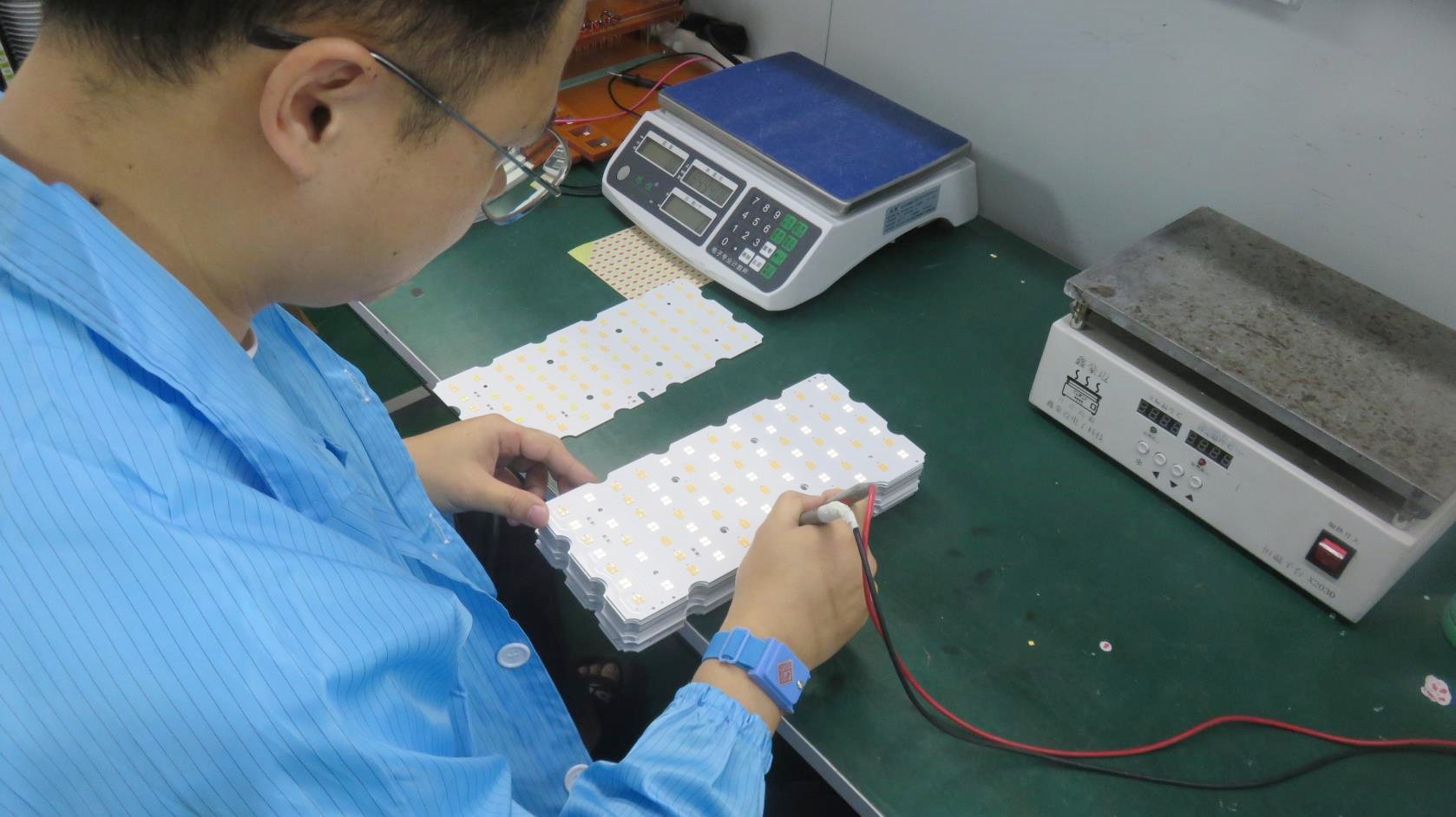
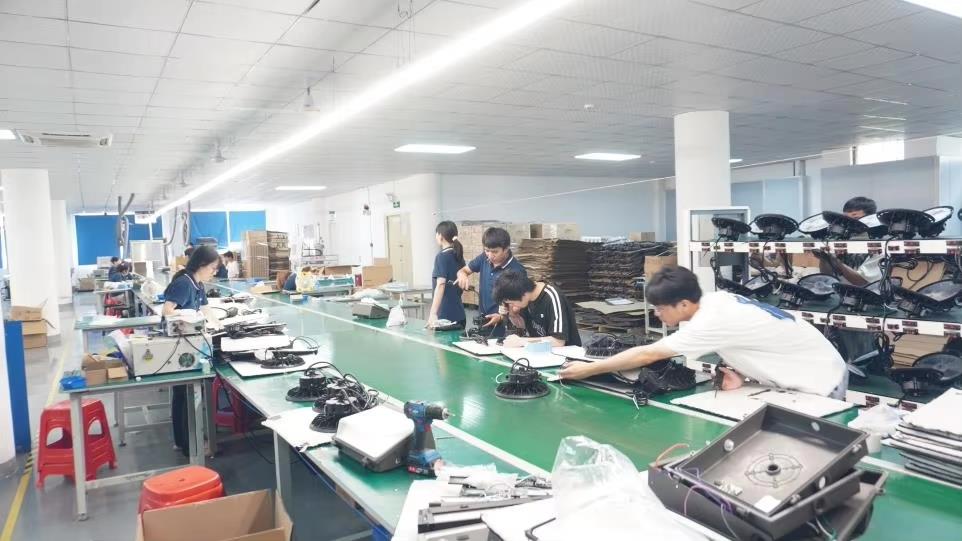
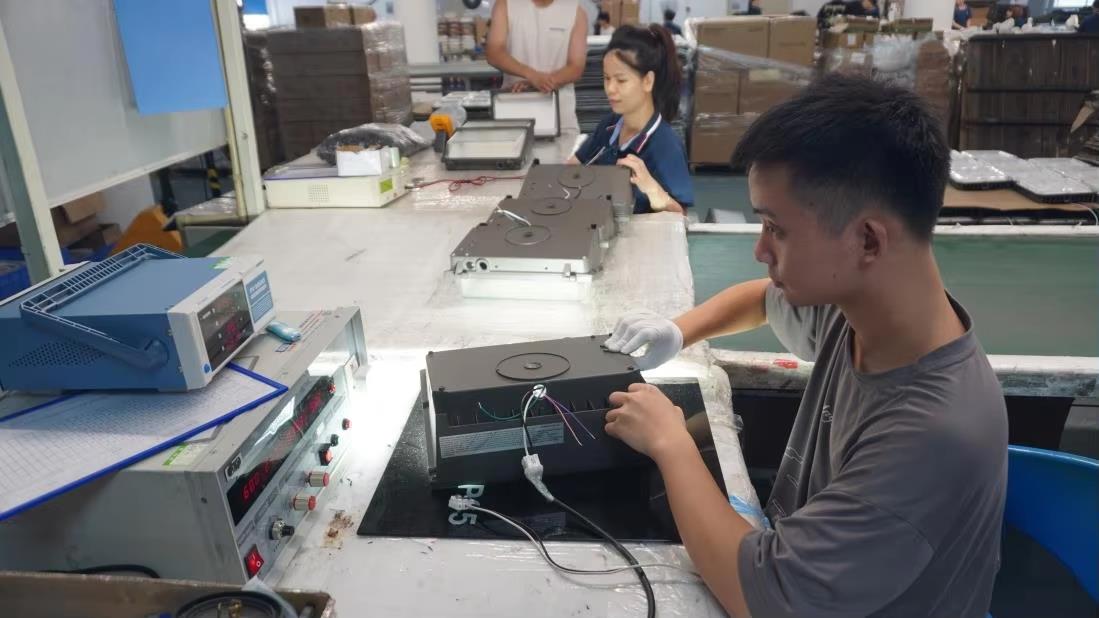
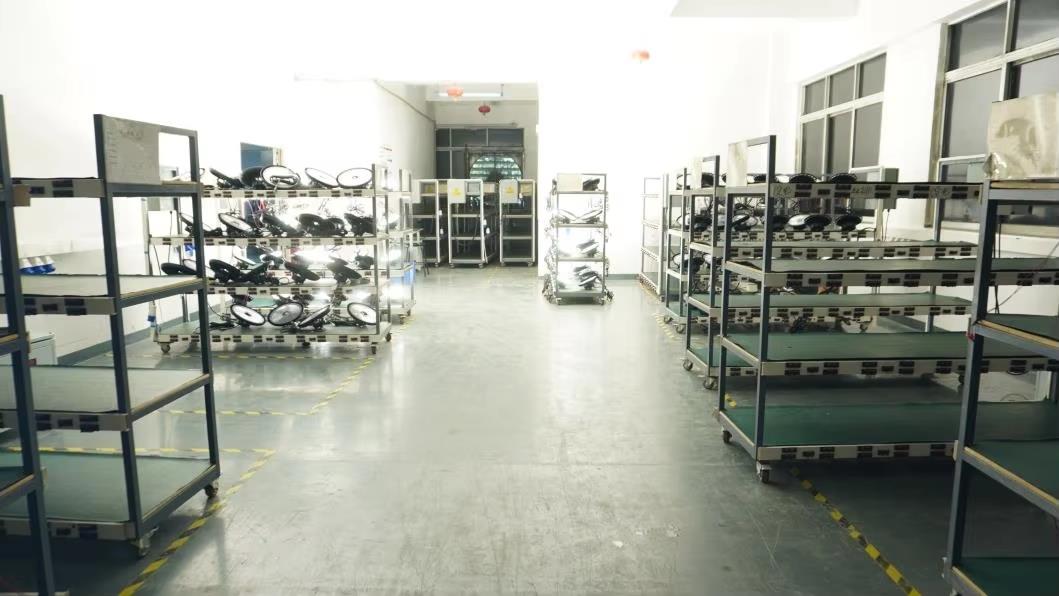
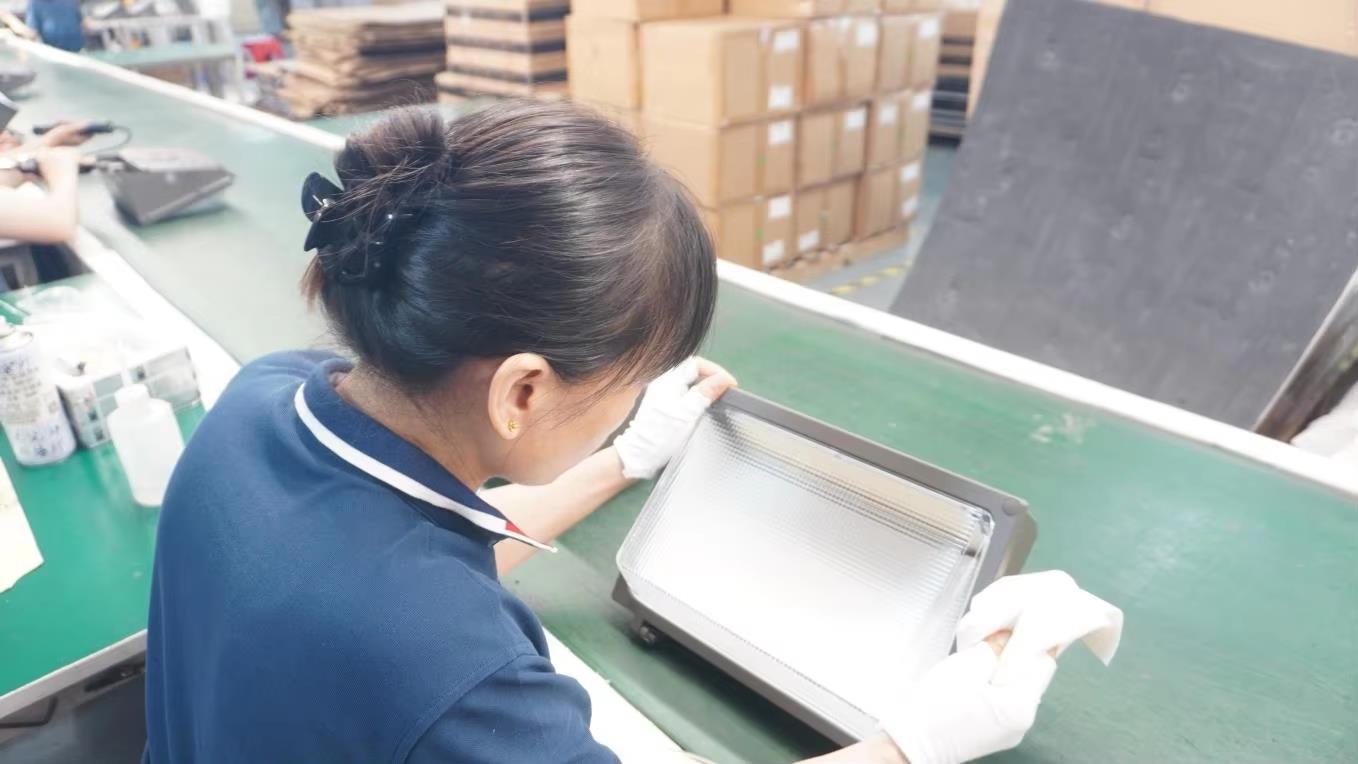
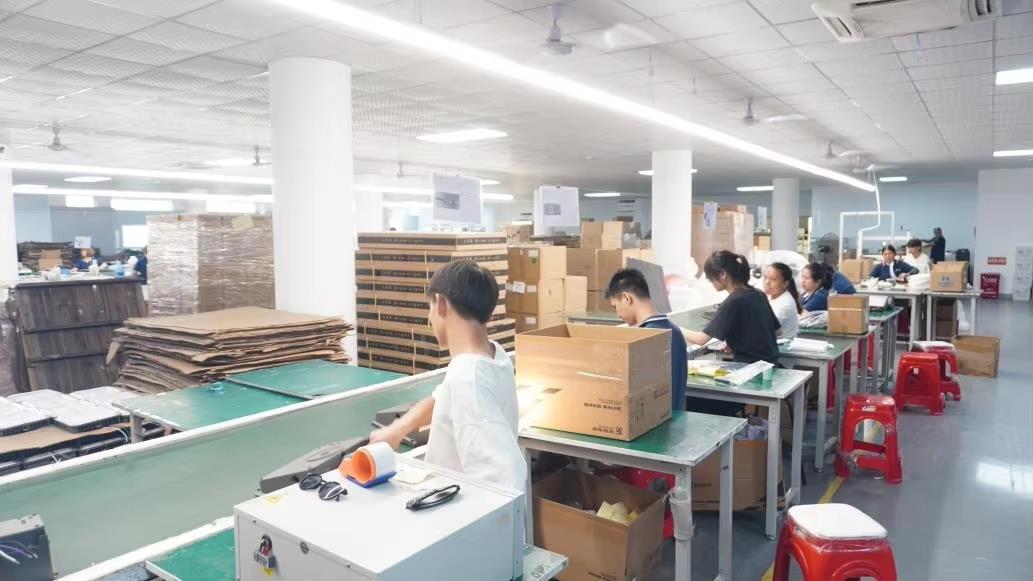
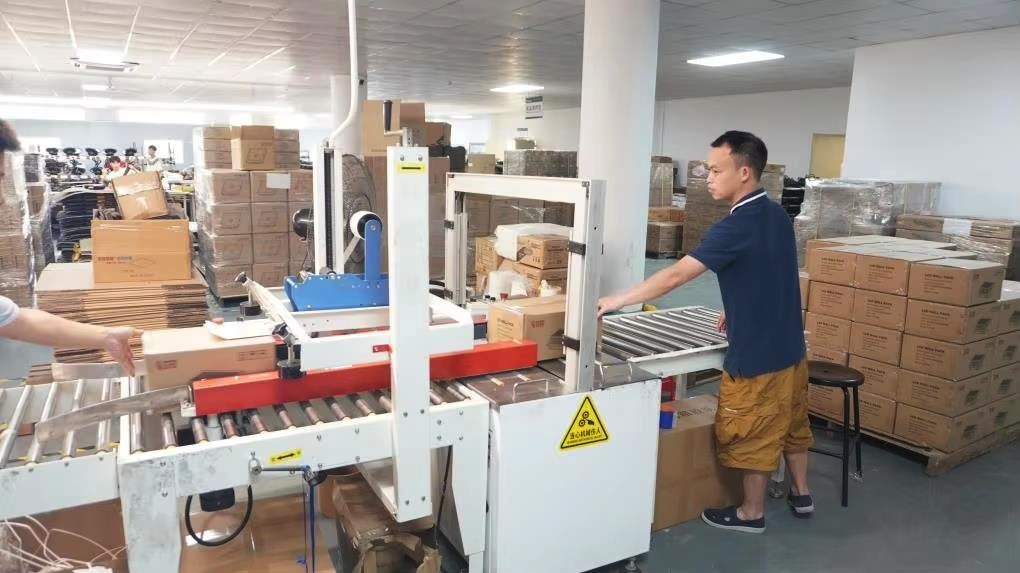
We understand that each growing facility requires a tailored approach. Our team of optical and mechanical engineers works closely with project contractors, agricultural researchers, and commercial distributors to design specialized LED grow setups. Whether you require custom dimensions, specialized spectral formulations, unique IP-rated connectors, or dual-voltage drivers compatible with Japan's 100V/200V grids, our OEM/ODM services are built to adapt to your specifications.
To achieve maximum efficiency, horticultural lighting must be designed for the specific plant species and cultivation systems used in local grow rooms.
Aichi Prefecture is famous for high-value sweet strawberry cultivars. Our supplementary LED lighting fixtures, enriched with far-red wavelengths (730nm), encourage earlier flowering and improve fruit size, sweetness, and consistency during winter.
Multi-tier vertical farms in downtown Nagoya rely entirely on artificial light. Our ultra-slim LED grow bars and modular systems provide uniform PPFD distribution across shelves, minimizing heat radiation to prevent tip-burn on leafy greens.
Academic institutes and university labs in Nagoya utilize our multi-channel dimmable grow fixtures to study photomorphogenesis. These units allow researchers to fine-tune spectrum profiles to determine optimal crop recipes.
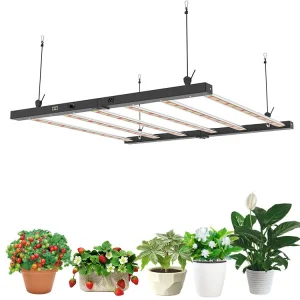
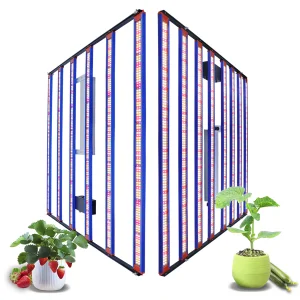
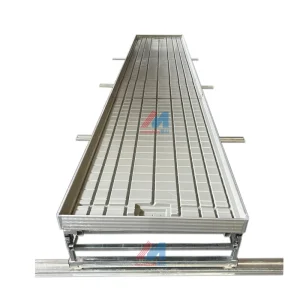
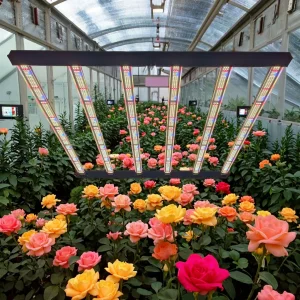
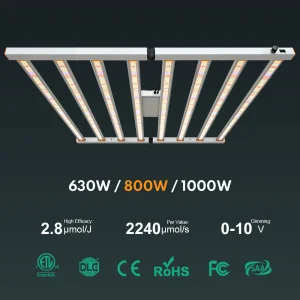
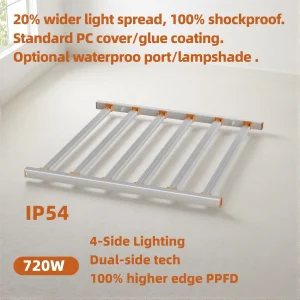
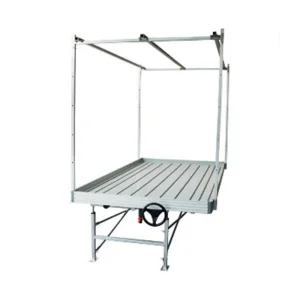
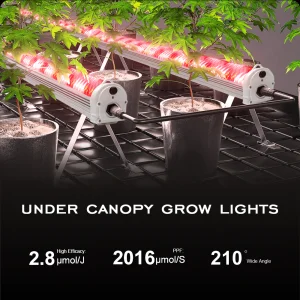
Discover our full range of professional horticultural lighting solutions and agricultural infrastructure. These products are built to help commercial growers maximize crop yields, streamline day-to-day operations, and optimize resource efficiency.
 Dorde Lights