Engineered for high-efficiency illumination, structural resilience, and autonomous operation across commercial and municipal perimeters.
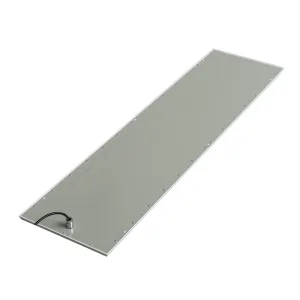
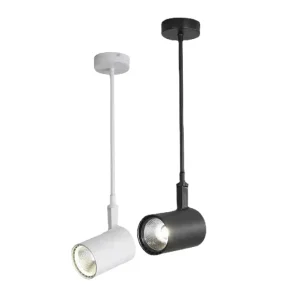
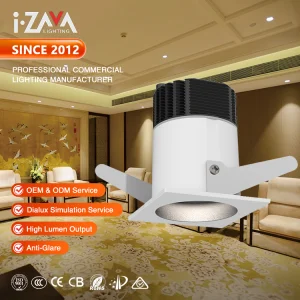
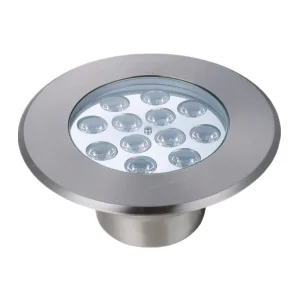
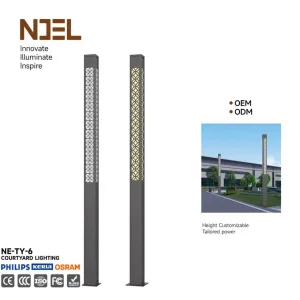
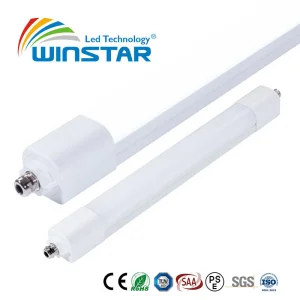
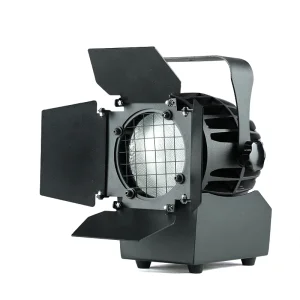
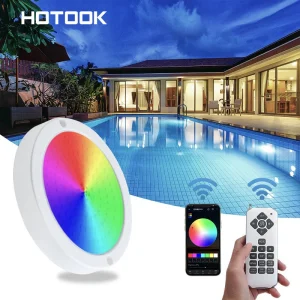
The global transition to smart energy infrastructures has elevated the standard for outdoor safety and security systems. Among these systems, Dusk to Dawn LED luminaires serve as a cornerstone of commercial perimeters, logistical centers, and public roadways. Historically, automatic operation relied on simple bimetal mechanical photocells with high failure rates and excessive power leakage. Today, the integration of solid-state photodiodes, microcontrollers, and IoT gateways has transformed these devices into energy-efficient, adaptive lighting nodes.
According to recent macro research, the demand for automatic outdoor luminaires is driven by stringent global energy conservation directives. These regulations, including California Title 24, ASHRAE 90.1, and the European Union’s Energy Related Products (ErP) Directive, mandate that exterior spaces use automatic daylight controllers or sensor-activated controls to mitigate carbon emissions and dark sky light pollution. To meet these specifications, global procurement managers look for reliable, high-performance systems from experienced manufacturers.
Selecting a long-term OEM/ODM partner requires evaluating key technical criteria rather than simply looking at unit costs. Top exporters are distinguished by their raw component verification protocols, structural thermal dissipation designs, and comprehensive compliance testing. Below is an analytical spotlight on Guangdong Dorde Lights Co. Ltd., a manufacturer that demonstrates how engineering focus leads to high reliability in competitive global markets.
Founded in 2007, Guangdong Dorde Lights Co. Ltd. is a specialized manufacturer focused on developing LED lighting solutions for residential, commercial, and industrial markets. Through years of refinement, the company has structured its operations to support global distributors, municipal contractors, and brand owners who need durable outdoor products.
Unlike factories focused on rapid, low-cost assembly, Dorde Lights emphasizes practical engineering. Their product lines—ranging from high-power LED panels and downlights to linear fixtures and bespoke architectural luminaires—use robust thermal paths, high-performance LED drivers, and optical diffusers to prevent glare and maximize output. This engineering philosophy ensures that their dusk-to-dawn solutions perform reliably in demanding outdoor environments.
Continuous investment in R&D allows Dorde Lights to design products that balance output with long-term reliability. Their designs focus on maintaining low junction temperatures (Tj), protecting the semiconductor dies and photocells from premature degradation.
By using an established network of premium component suppliers (including CREE, Lumileds, MeanWell, and Inventronics), Dorde Lights maintains consistent build quality, stable lead times, and competitive pricing structures.
Recognizing the diverse requirements of different regional markets, the company provides custom solutions. Options include customized optics, adjustable sensor delay settings, and tailored mechanical housings.
Modern industrial procurement requires visibility into manufacturing standards. Achieving consistent performance across thousands of outdoor lighting units demands structured, automated production systems. Below, we outline the manufacturing workflow implemented by Guangdong Dorde Lights Co. Ltd., showing how each step prevents faults and ensures product longevity.
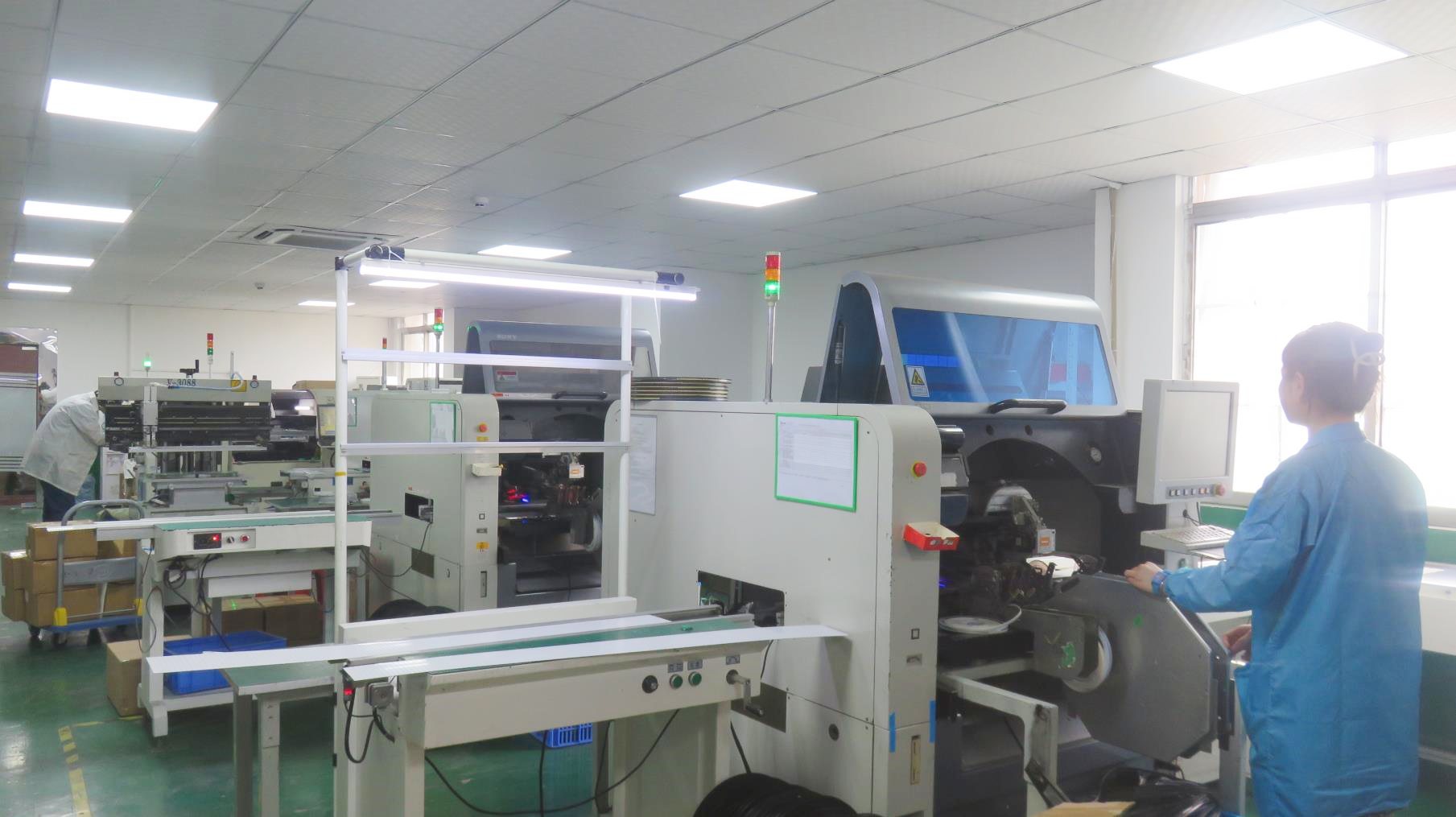
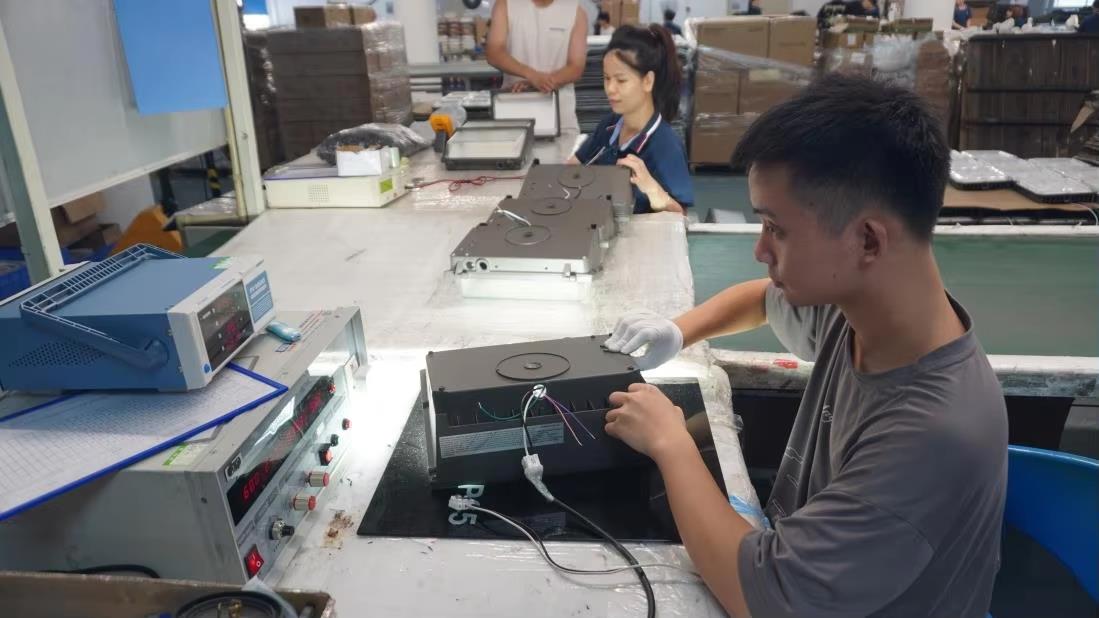
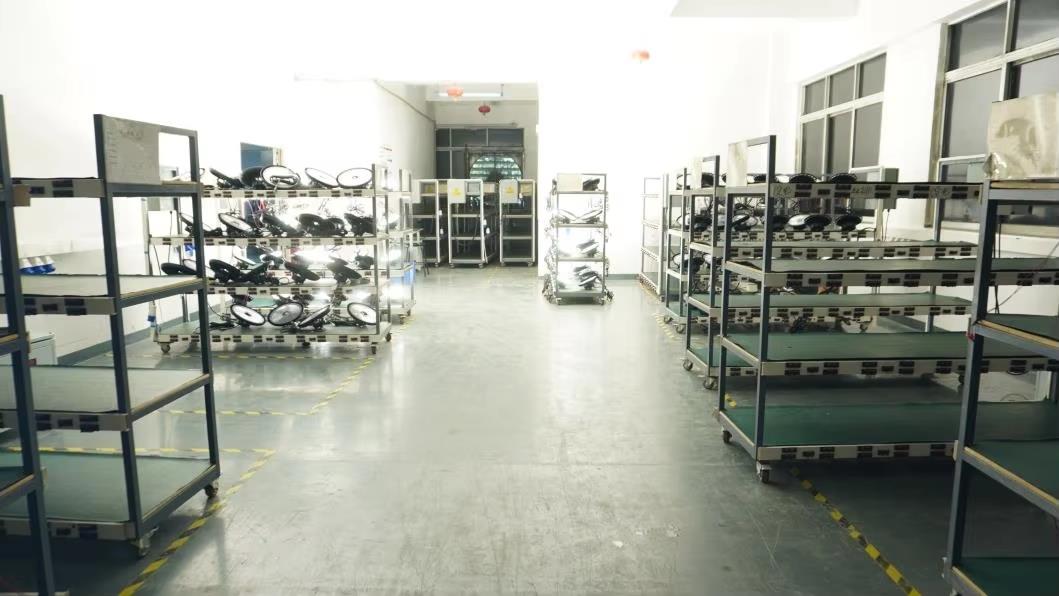

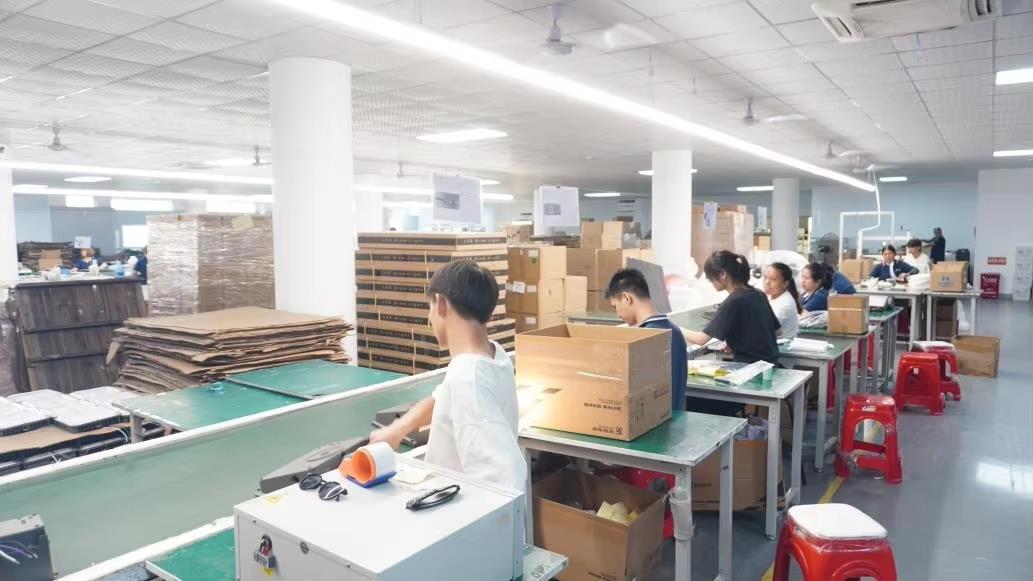

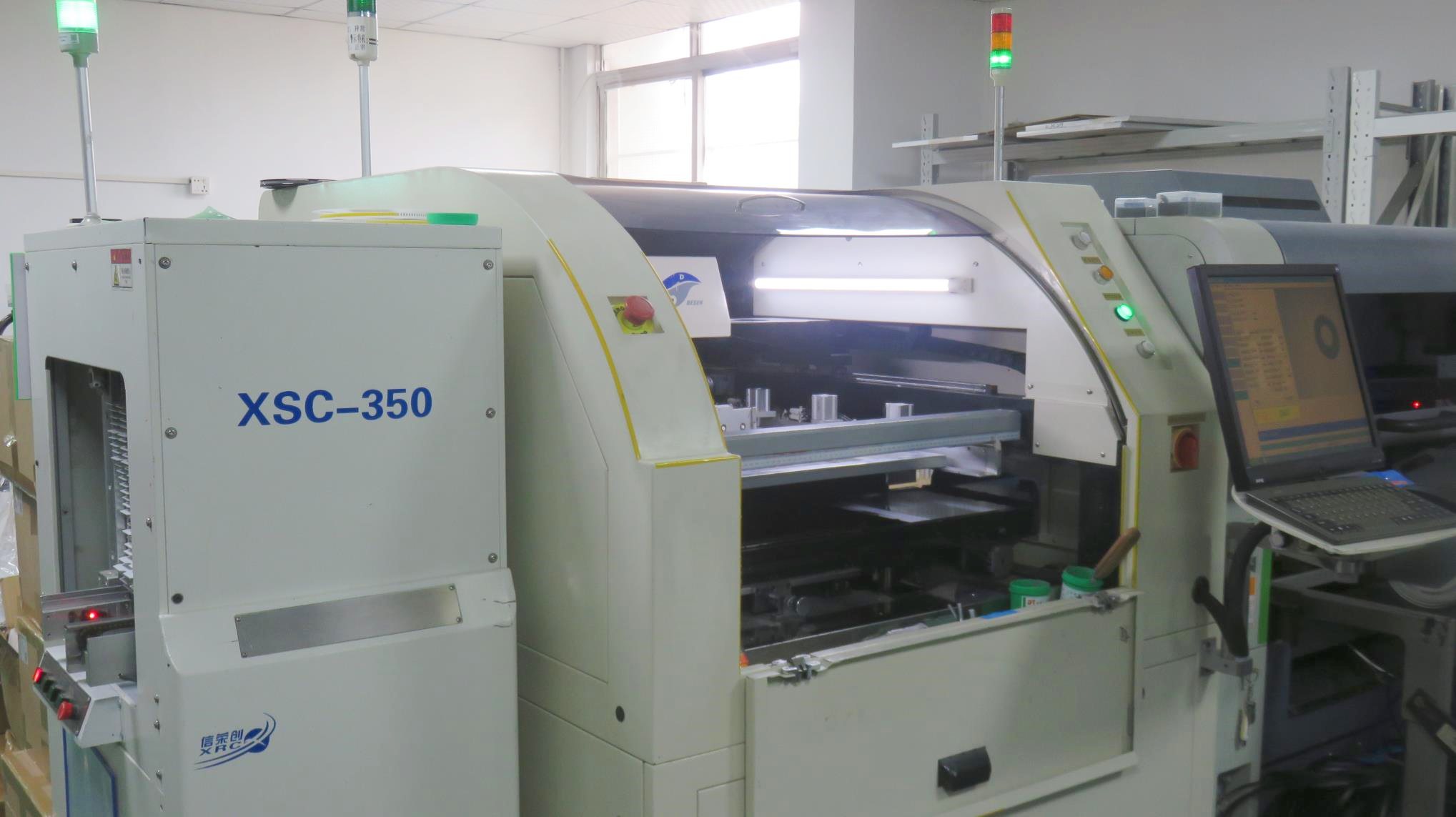
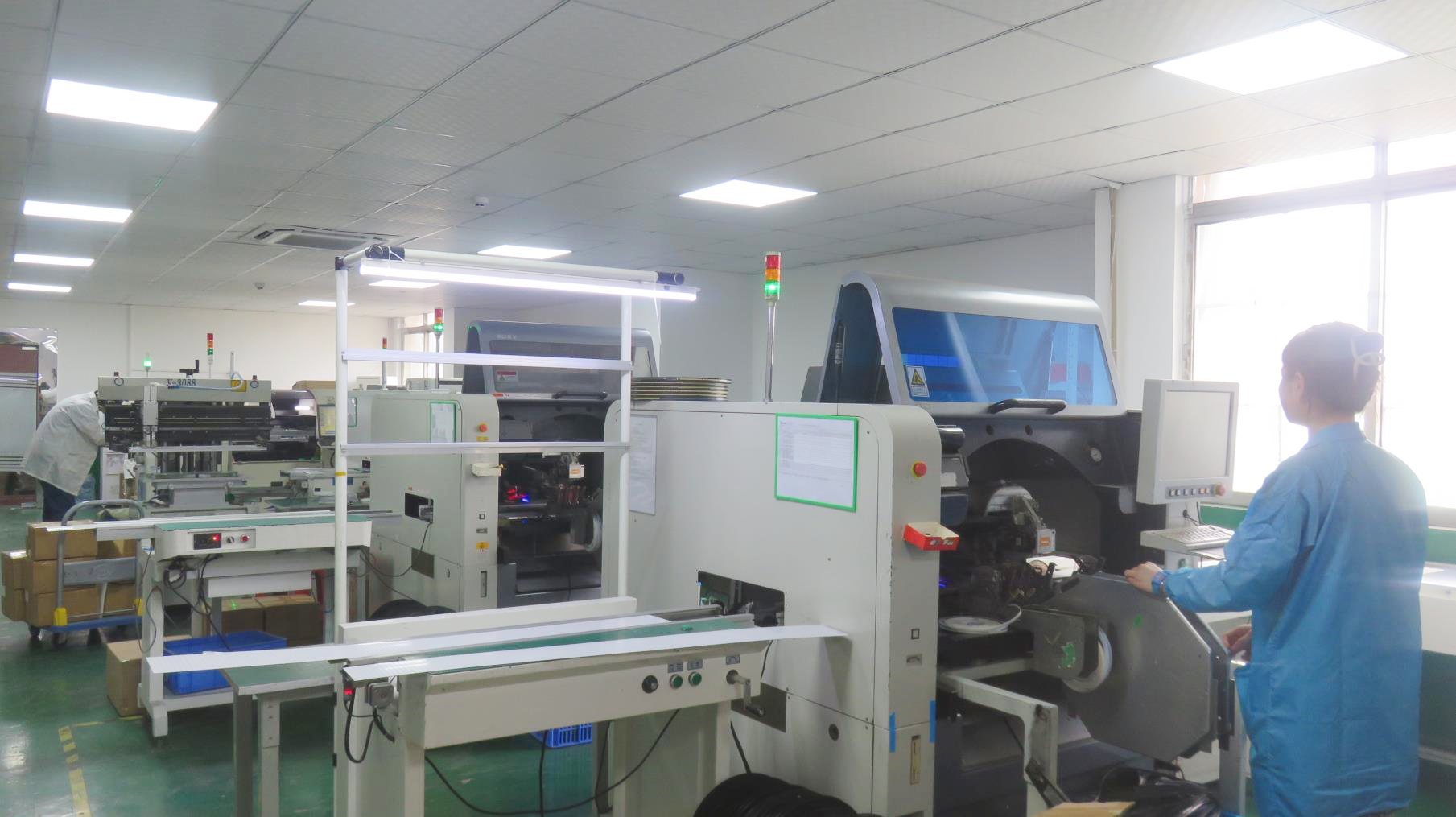
1. Surface Mount Technology (SMT): High-speed pick-and-place systems mount LED chips directly onto metal-core PCBs (MCPCBs) to ensure low thermal resistance.
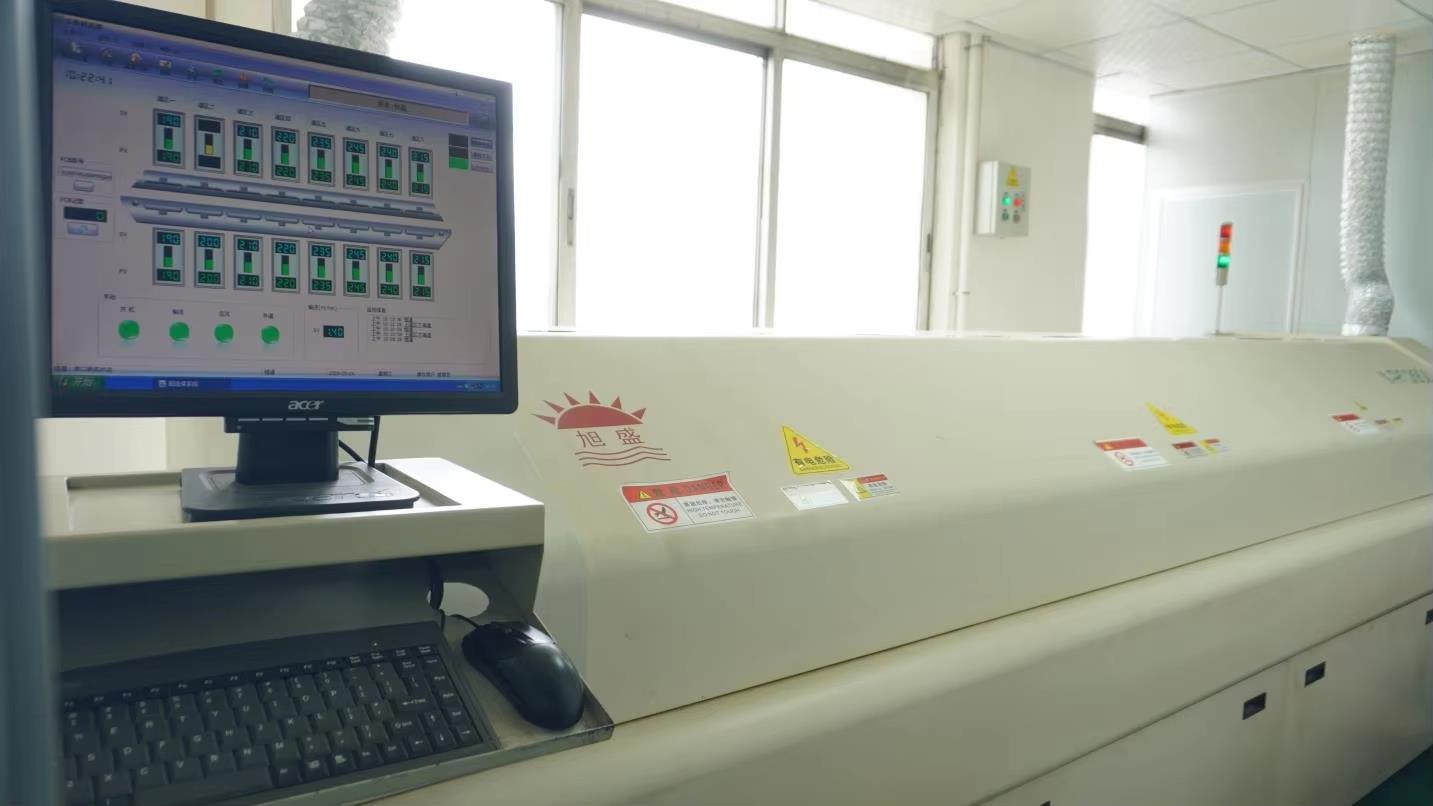
2. Reflow Soldering: Multi-zone nitrogen reflow soldering prevents oxidation, ensuring strong electrical bonds that resist vibrations in outdoor locations.
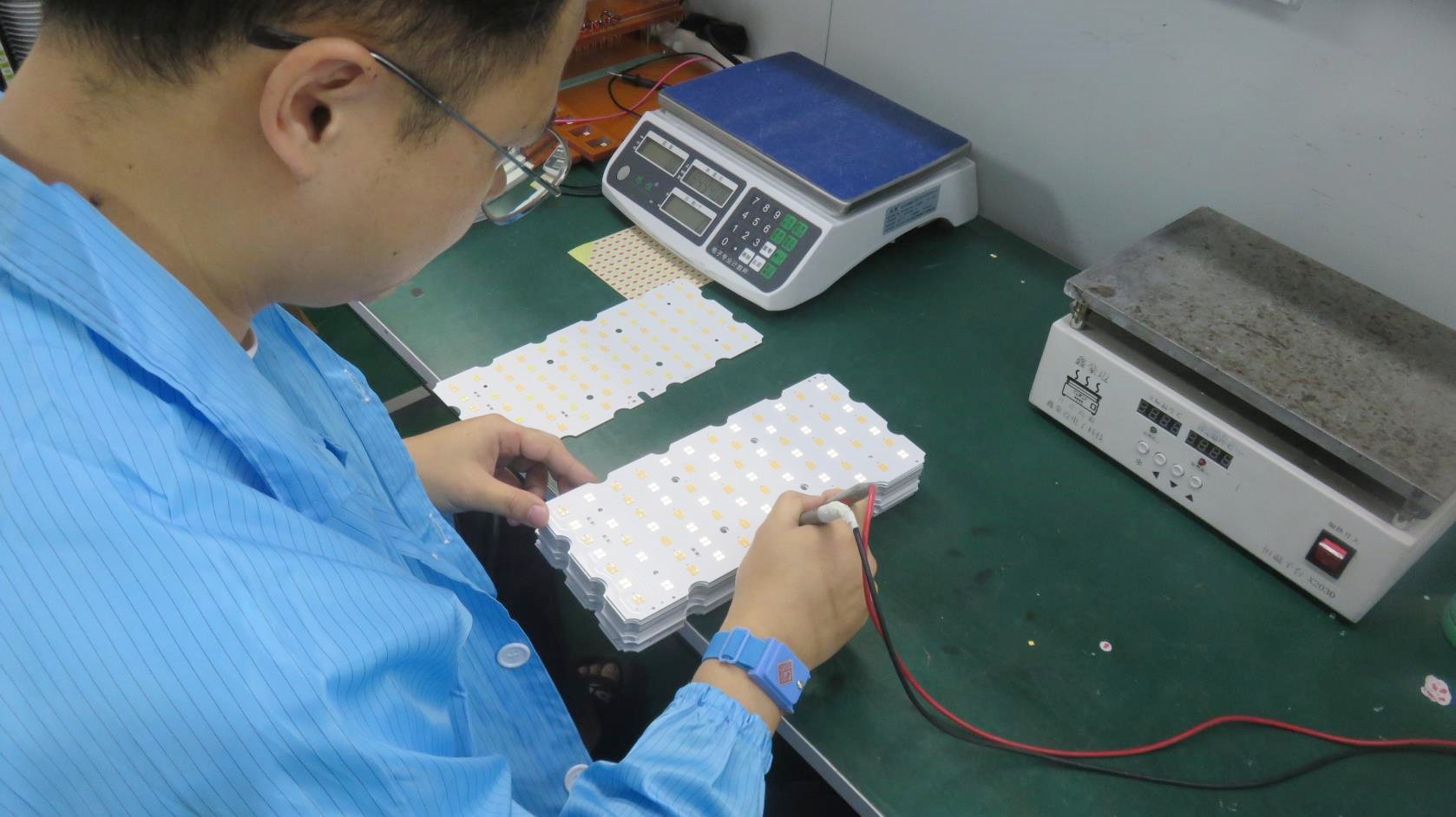
3. Electrical & Optical Testing: Automatic Optical Inspection (AOI) and parametric testers verify the electrical characteristics of each PCB before assembly.
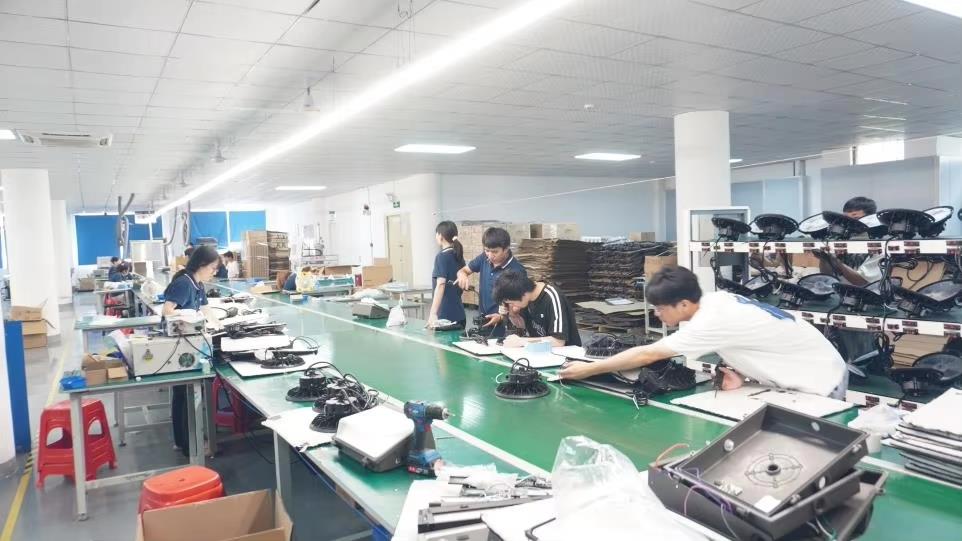
4. Assembly and Thermal Management: Workers mount the components into heavy-duty die-cast aluminum housings, applying high-thermal-conductivity grease to eliminate air gaps.
5. Luminous Calibration: Systems calibrate the photosensors to verify that dawn-to-dusk operations switch precisely at the targeted lux levels (typically 10-20 lux to switch on, and 30-60 lux to switch off).
6. Thermal Aging Process: Assembled fixtures run continuously at high temperatures for 24 to 72 hours. This process helps detect infant mortality components before packaging.
The dawn-to-dusk lighting industry is moving past basic photocontrols toward integrated sensing networks. Understanding these technological trends helps procurement managers specify systems that will remain compatible with future upgrades.
Conventional Cadmium Sulfide (CdS) photocells suffer from drift and wear out over time. Leading exporters are adopting solid-state silicon phototransistors managed by microcontrollers. These components deliver consistent switching thresholds across a wide temperature range and do not degrade under UV exposure.
By using 3-pin, 5-pin, and 7-pin NEMA receptacles, modern fixtures can host smart control nodes. These systems allow operators to monitor power consumption in real time, customize brightness curves remotely, and receive automatic alerts when a fixture requires maintenance.
LED drivers can draw high inrush currents upon startup, which degrades mechanical relay contacts. Zero-cross switching controls wait for the AC voltage waveform to pass through zero volts before closing the contacts. This reduces electrical stress and extends the operating life of the sensor.
Automatic light sensors are deployed differently depending on the project type. Below is an overview of how dusk-to-dawn technologies are implemented in various commercial and industrial sectors.
Municipal street and pathway lighting requires highly coordinated layouts to protect pedestrian safety while minimizing energy draw. Dusk-to-dawn streetlights with NEMA 7-pin receptacles allow cities to integrate astronomical clocks. This enables the lighting grids to dim to 30% power during low-occupancy hours (e.g., between 1 AM and 5 AM) and return to full brightness if motion sensors detect activity.
Petrochemical plants, processing mills, and marine terminals require heavy-duty explosion-proof enclosures. In these environments, dusk-to-dawn controls must be housed in copper-free aluminum or stainless steel enclosures with high ingress ratings. This prevents flammable gases or high-pressure water jets from penetrating the circuit, protecting safety in harsh conditions.
Logistical facilities with large perimeters rely on continuous illumination at night to deter unauthorized entry. For these sites, security teams select high-power LED wall packs and area floodlights with integrated photocells. These units ensure perimeter fences and loading bays are illuminated automatically as night falls, without requiring manual intervention from security staff.
For procurement officers, sourcing products that comply with regional electrical and environmental standards is essential to avoid import delays and installation liability. Below is a checklist of critical standards for key target markets:
Standards: UL 1598 (Luminaires), UL 773A (Non-industrial Photoelectric Switches), FCC Part 15 (Class A/B EMI limits), and DLC Premium 5.1 certification (which qualifies projects for local utility energy-efficiency rebates).
Standards: CE Mark, RoHS Directive (verifying lead-free assemblies), ENEC certification, and compliance with the ErP Directive for light source efficiency and ecodesign criteria.
Standards: CB Scheme certificates, IP65 to IP68 rating certifications (IEC 60529), and IK08 to IK10 impact resistance ratings, ensuring long-term durability in high-vibration or marine environments.
By working with manufacturers that provide complete engineering documentation—such as LM-79 reports, LM-80 data, and TM-21 lumen maintenance projections—buyers can confirm that their lighting systems will perform reliably over years of service.
Explore our complete range of certified commercial, industrial, and customized exterior lighting systems.
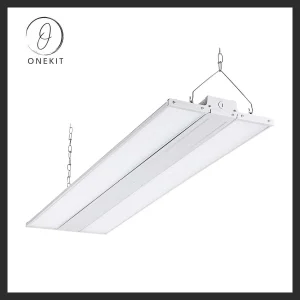

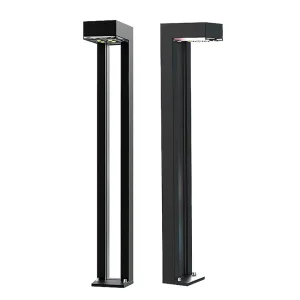
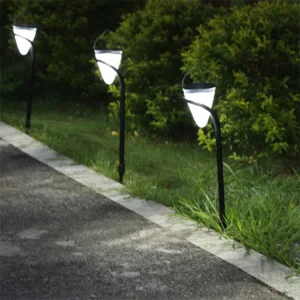
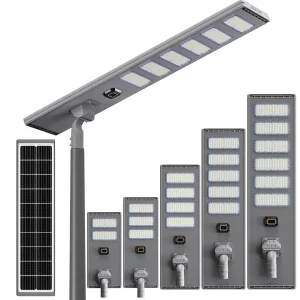
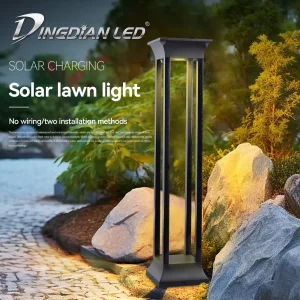
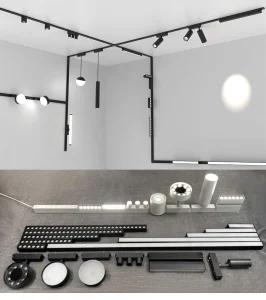
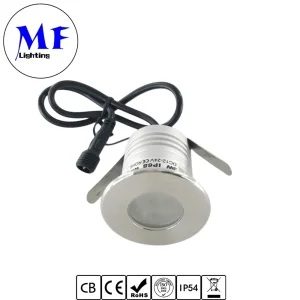
Expert answers to common engineering and sourcing questions about dusk-to-dawn outdoor lighting systems.
Silicon phototransistors do not contain cadmium, making them fully compliant with RoHS directives. They also maintain precise lux switching thresholds over their operating life, whereas CdS cells experience drift over time, which can lead to delayed turn-off or premature turn-on.
Quality manufacturers integrate zero-cross switching circuits. This ensures that the internal relay switches on exactly at the zero-voltage point of the AC waveform, reducing contact arcing and extending the mechanical life of the switch.
A CCT of 3000K produces lower blue light emissions, which helps mitigate dark sky issues and limits disruption to local wildlife. It complies with many regional dark-sky ordinances while still providing enough illumination for public safety.
An IP66 rating indicates protection against high-pressure water jets, which is suitable for wall-mounted or post-top luminaires. An IP68 rating certifies that the fixture can withstand continuous submersion in water, making it necessary for inground garden lighting or pool installations.
Outdoor light poles are vulnerable to transient voltage spikes from lightning strikes and grid switching. Integrating a 10kV or 20kV surge protection device protects both the LED driver and the sensitive control circuit, preventing early fixture failure.
 Dorde Lights