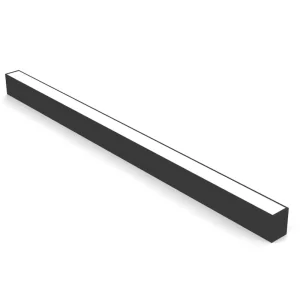
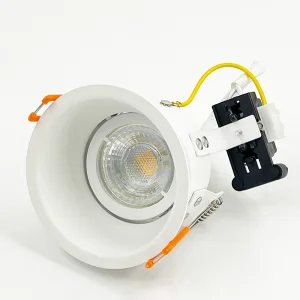
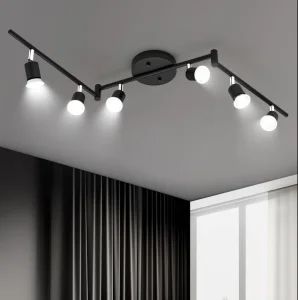
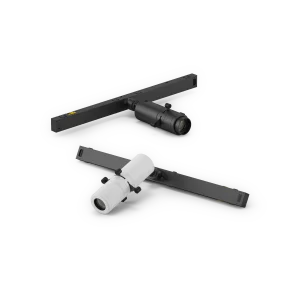
Explore our engineering-grade fixtures designed for hazardous locations, underwater systems, and architectural projects.
Decoding market dynamics, technical advancements, and systemic efficiency gains of modern solid-state lighting.
The global transition toward high-efficacy, solid-state lighting (SSL) technology has elevated the humble tube light from a basic commercial fixture to a highly engineered industrial component. Historically dominated by gas-discharge fluorescent lamps (T8, T5, T12), the market is now overwhelmingly driven by LED linear technology. According to global energy consumption benchmarks, lighting accounts for approximately 15% of global electricity consumption. Upgrading to advanced LED linear systems reduces energy baselines by 50% to 70%, positioning tube lights as the primary tool for corporate ESG alignment and carbon offset targets.
Modern industrial sites, retail spaces, and warehousing hubs demand lighting solutions that balance thermal dissipation, power factor optimization (>0.95), and low Total Harmonic Distortion (THD <15%). Tube lights are no longer viewed in isolation; they are integral nodes within intelligent building management systems (BMS). Features like ballast-compatibility (Type A), ballast-bypass / direct wire (Type B), and external driver (Type C) configurations define today's procurement criteria, helping engineers design robust circuits tailored to regional grid configurations and safety standards.
A Trusted Force in LED Engineering, Advanced Manufacturing, and Global Distribution Since 2007
Founded in 2007, Guangdong Dorde Lights Co. Ltd. is a professional manufacturer specializing in LED lighting solutions for residential, commercial, and industrial applications. With years of experience in the lighting industry, we are committed to delivering reliable, energy-efficient, and high-performance lighting products to customers worldwide.
We are dedicated to the research, development, and production of modern LED lighting products. Our product range includes LED panel lights, downlights, linear lights, and customized lighting solutions. By combining practical engineering with contemporary design, we aim to create lighting that is both functional and visually refined.
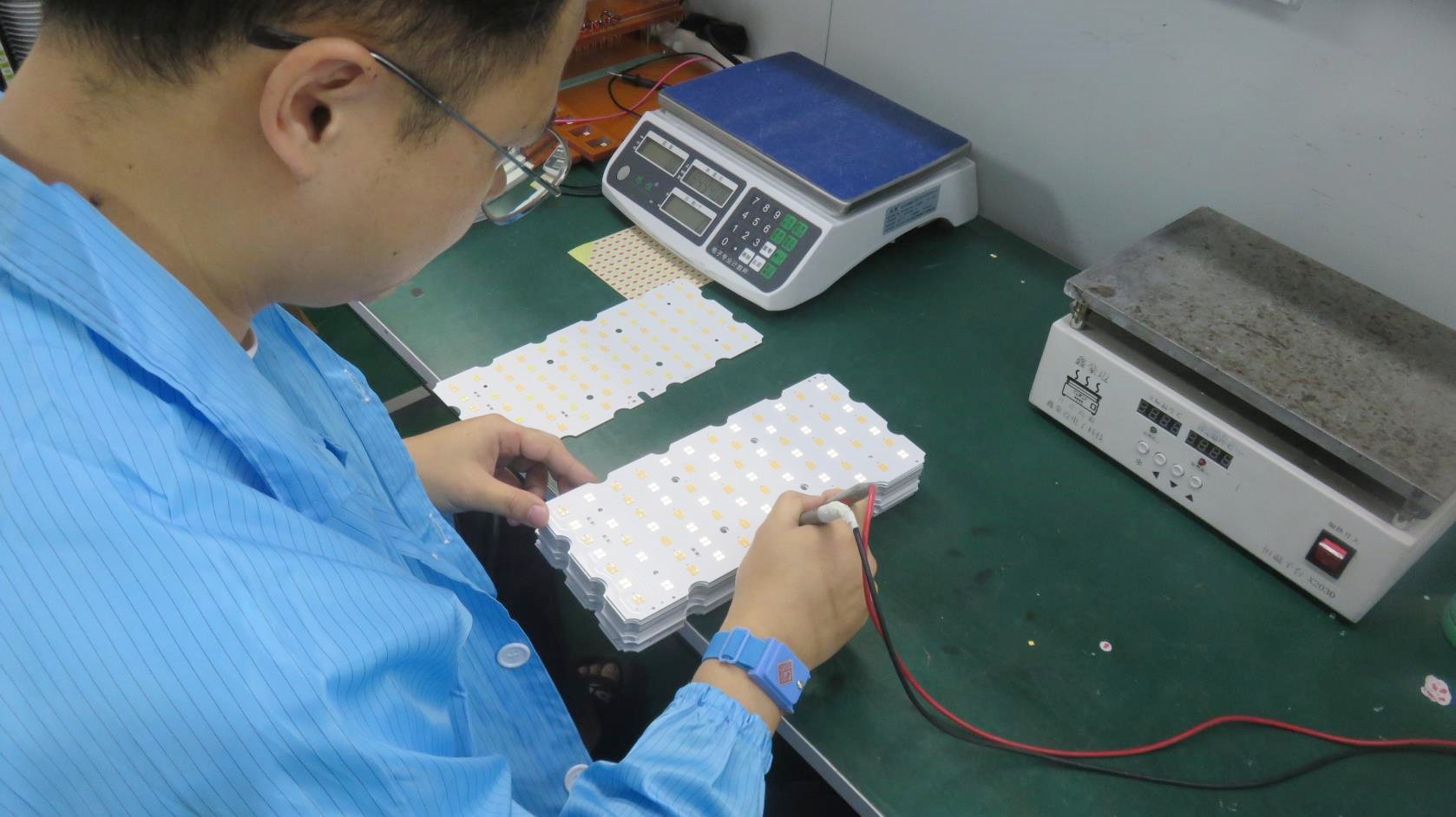
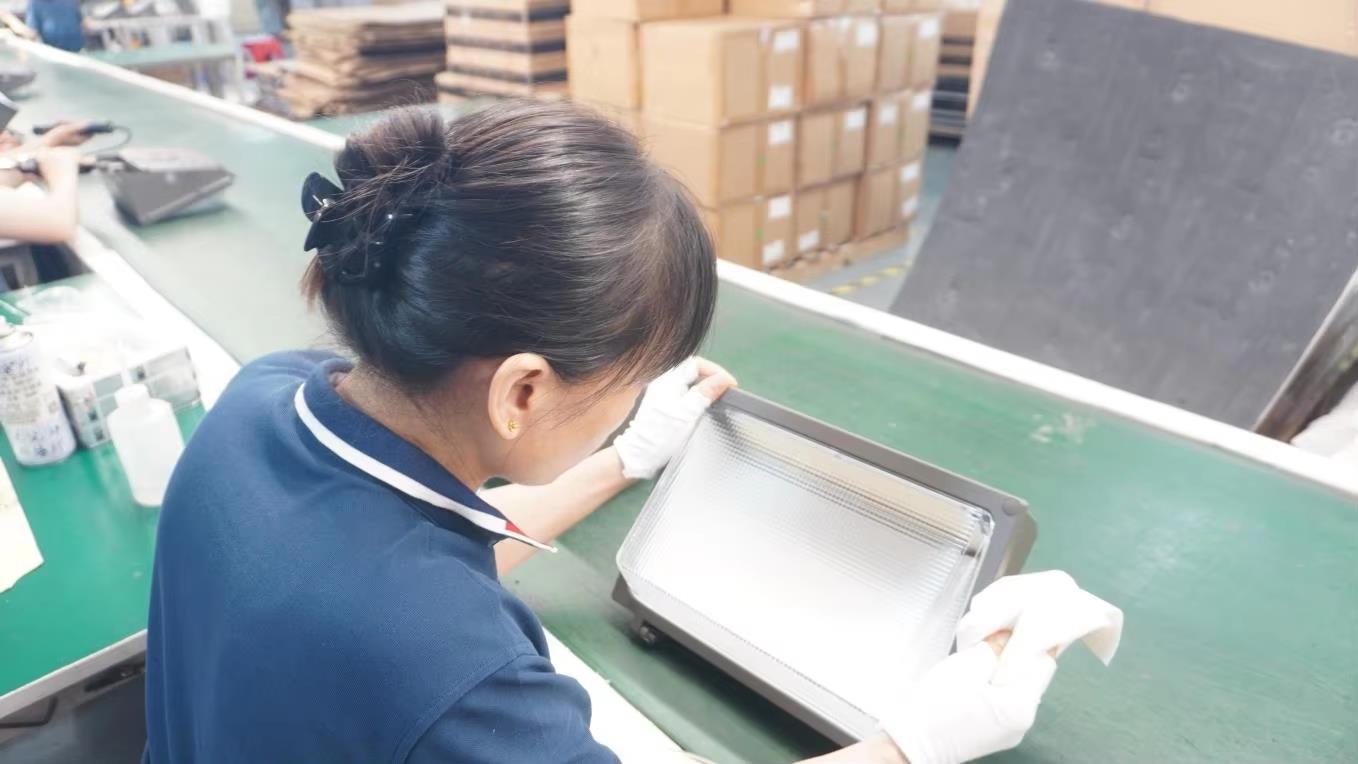
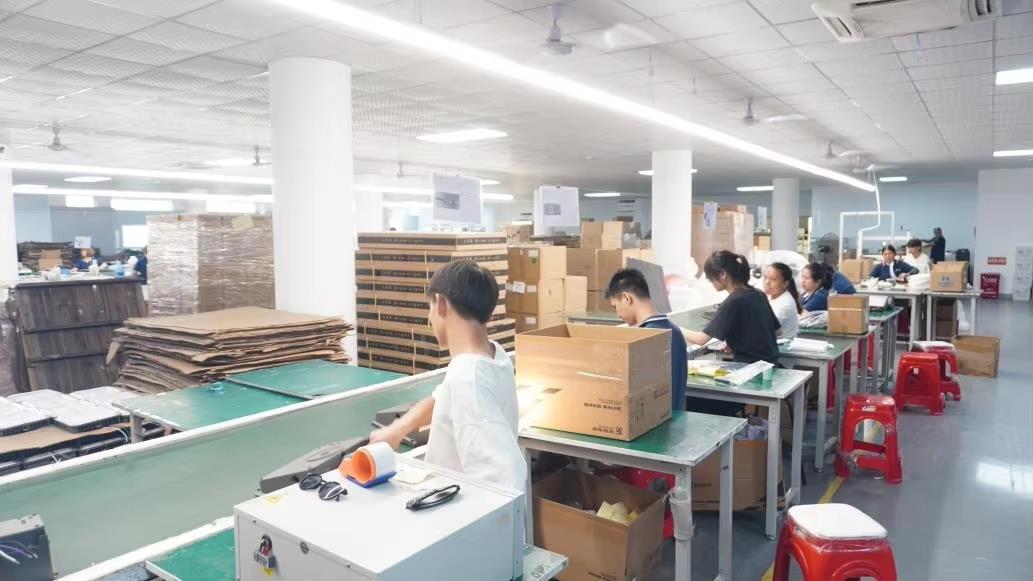
With a well-established production system and stable supply chain partnerships, we ensure consistent product quality, competitive pricing, and efficient delivery. Our manufacturing process follows strict quality control standards at every stage—from material selection to final inspection—ensuring reliability and long-term performance.
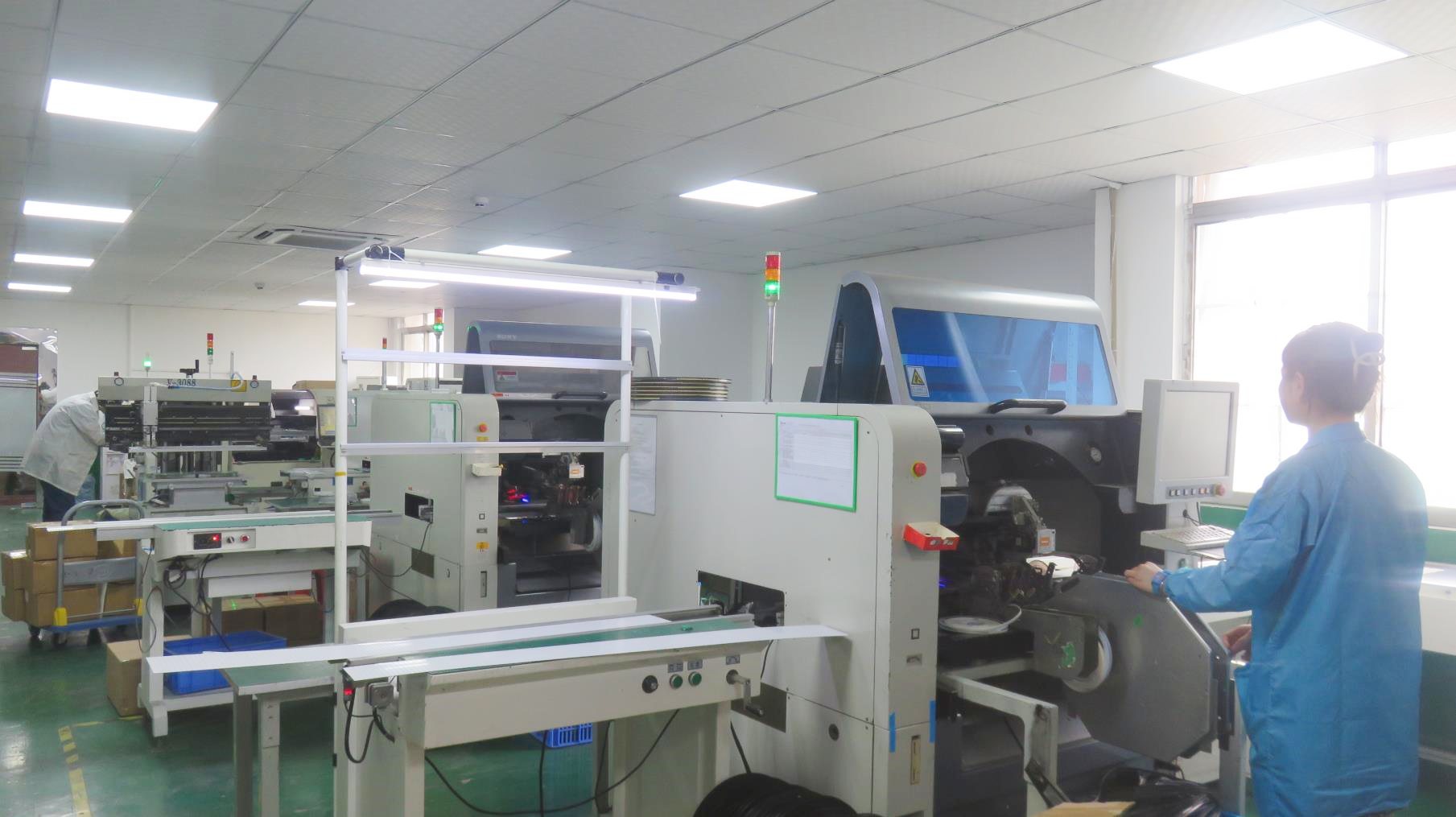
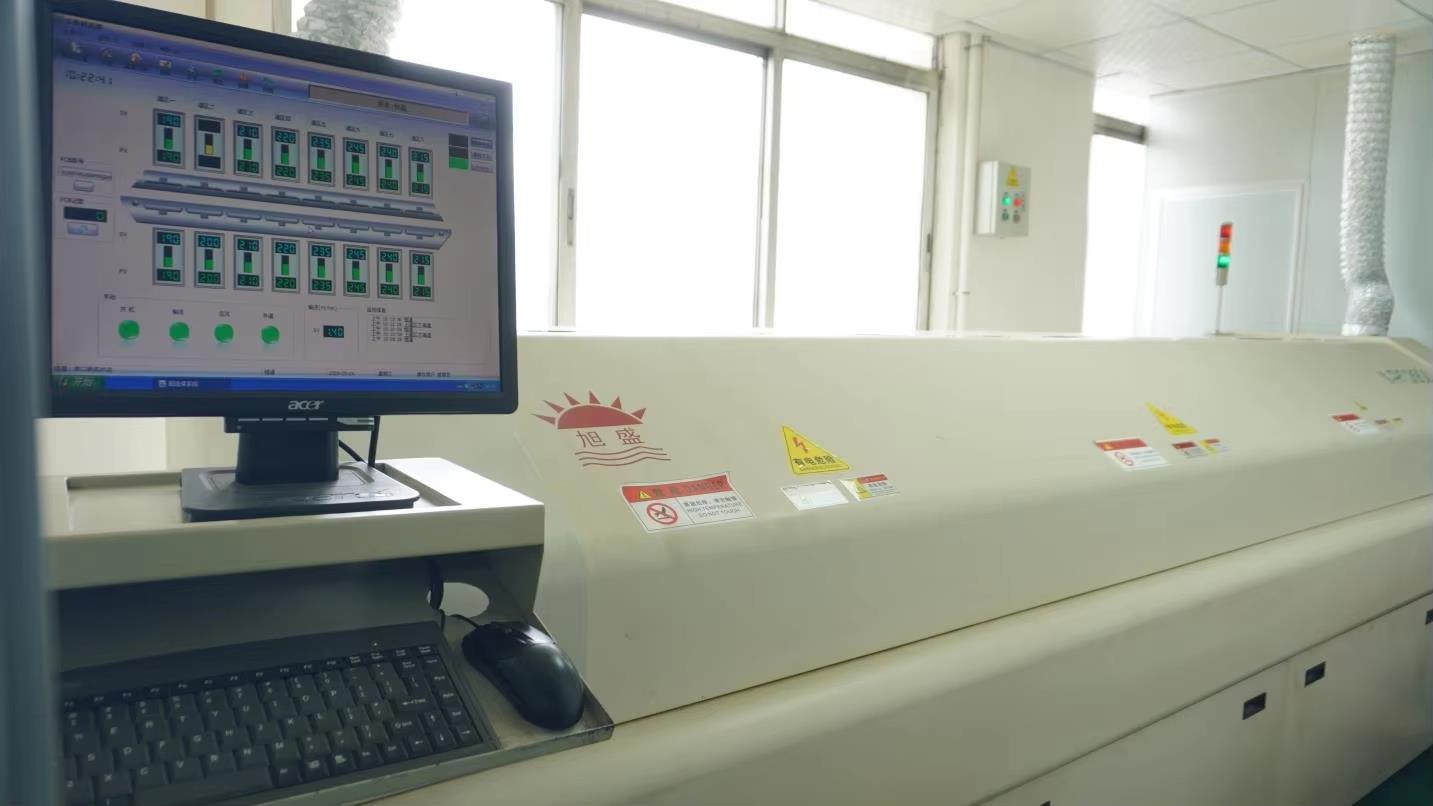
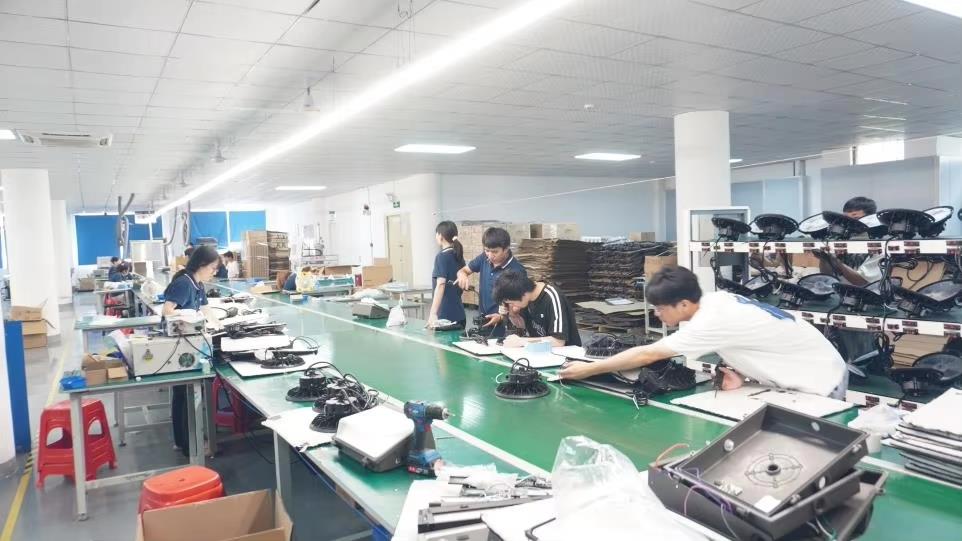
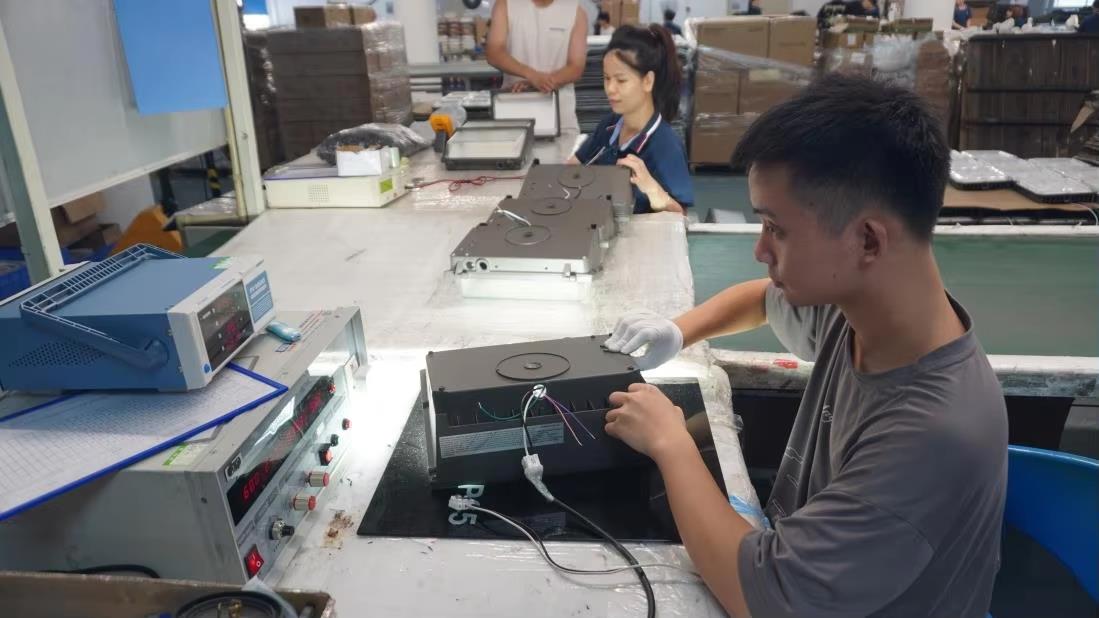
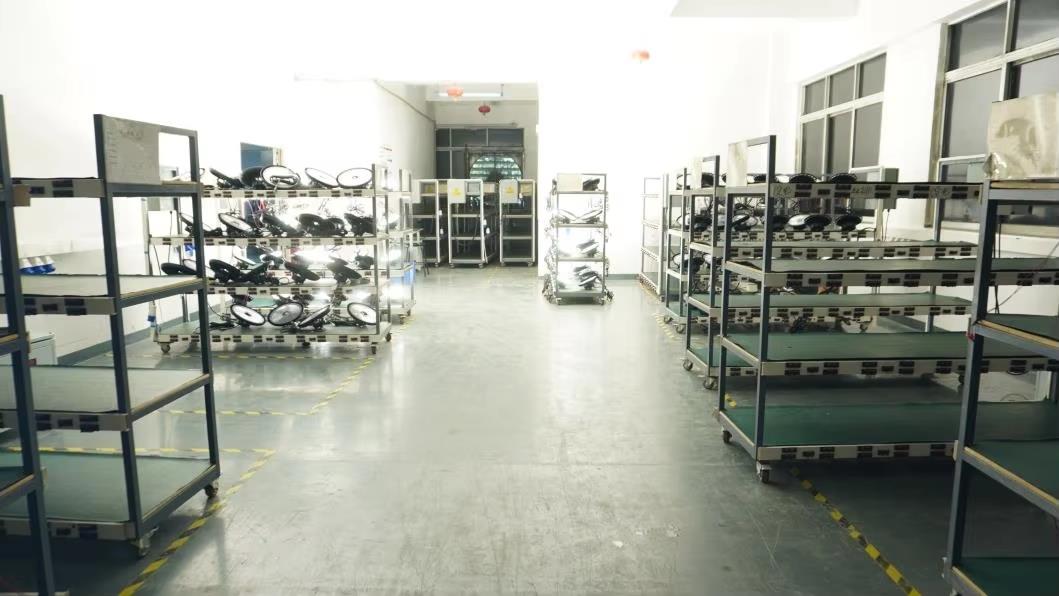
Our facility houses high-speed surface mount technology (SMT) lines, nitrogen-reflow soldering ovens, and automated testing machinery. Every batch of LED tube lights, downlights, and custom linear luminaires undergoes an intensive aging cycle (often up to 48 hours) to detect early driver or diode failures. This commitment to process control reduces warranty return rates to less than 0.1% across all global shipments.
Peek inside Dorde Lights' advanced manufacturing facility and strict quality testing protocols.
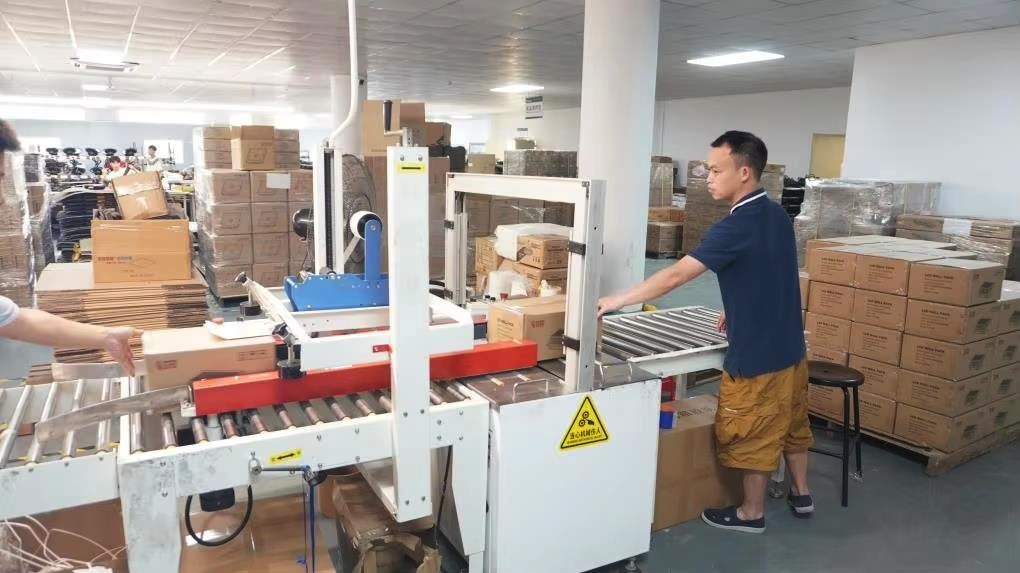
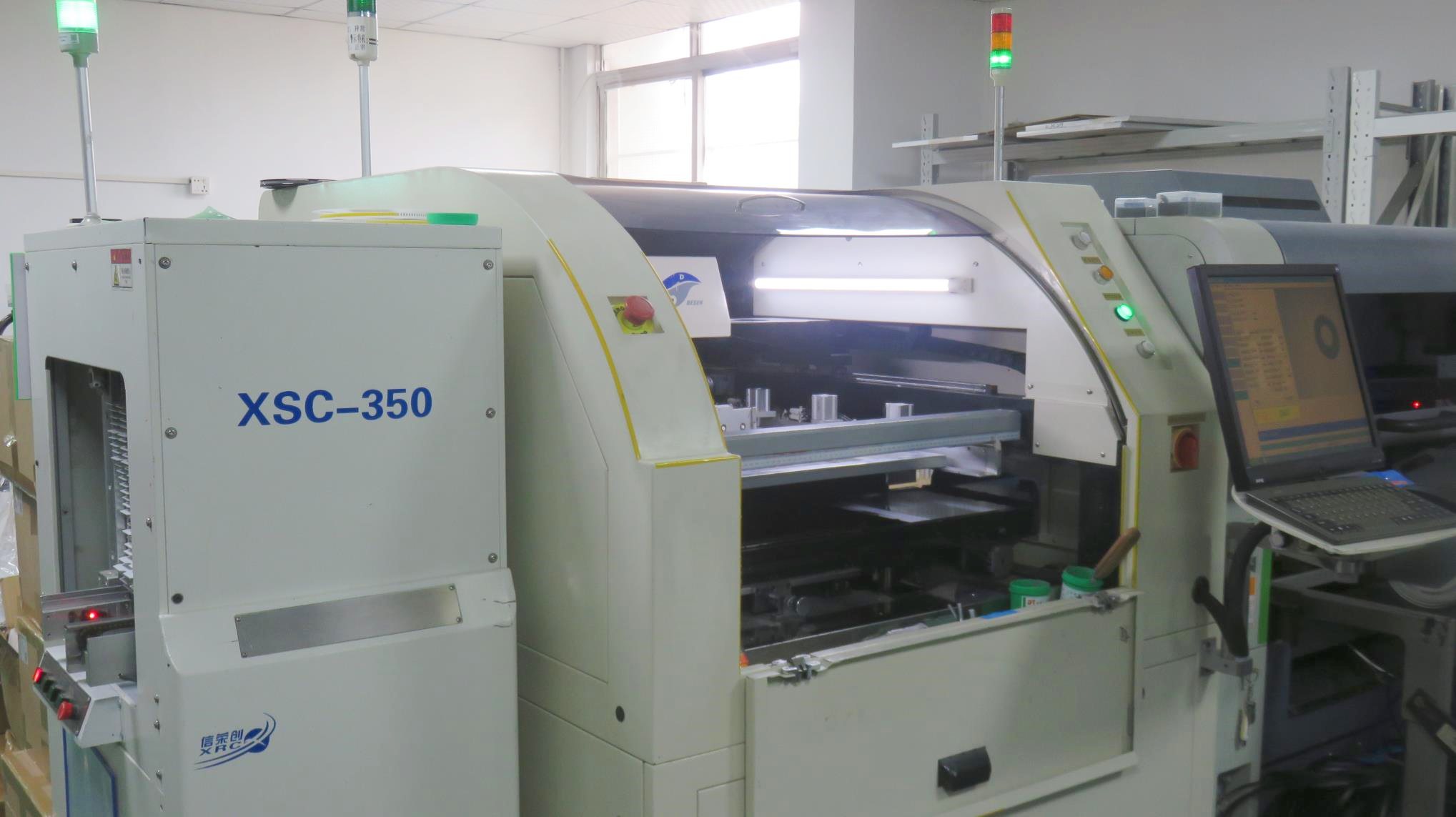
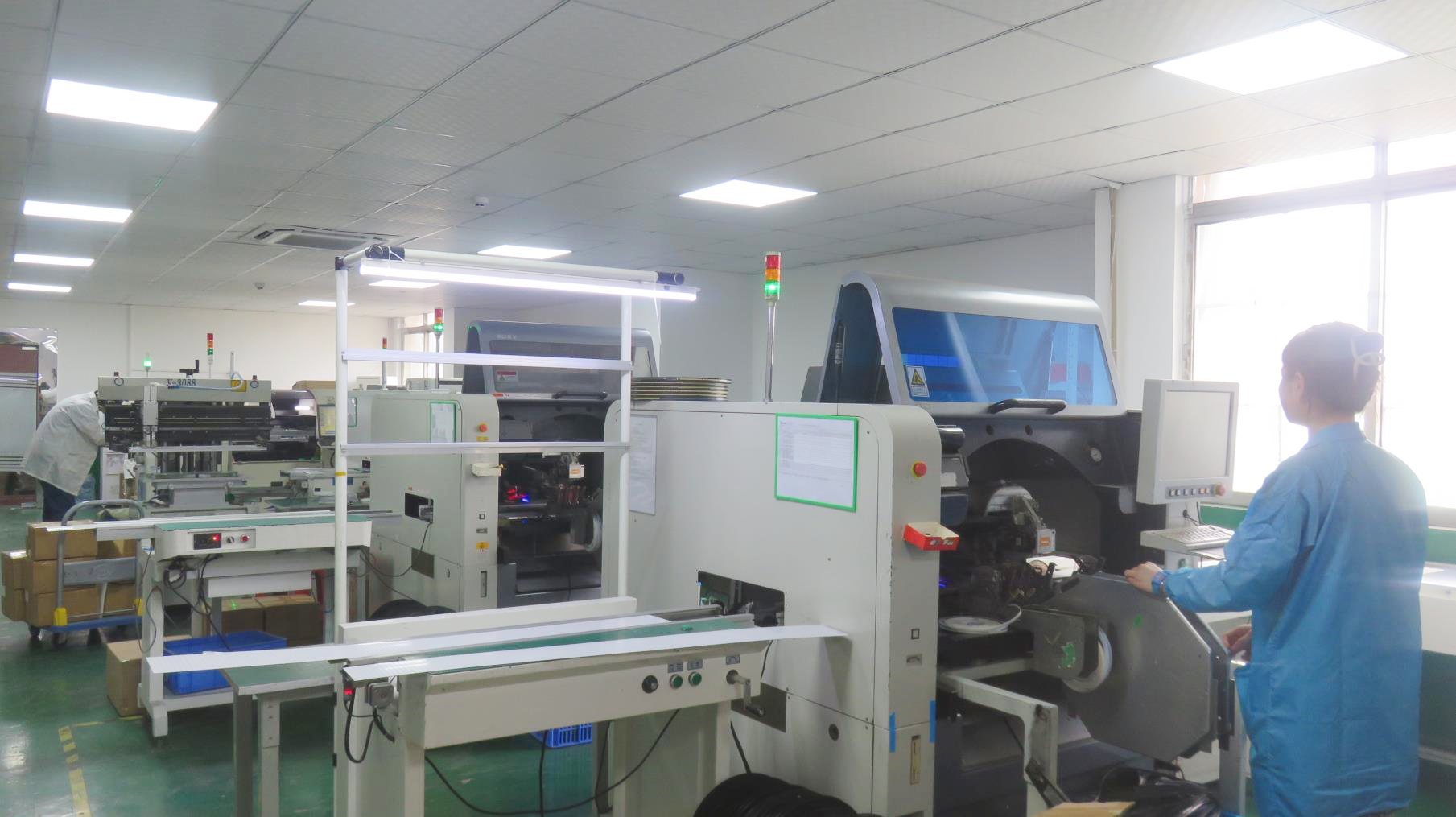
How downstream component abundance and automated factories slash lead times and unit costs.
China's global dominance in the LED lighting sector is not simply a product of labor arbitrage; rather, it is driven by a highly integrated supply chain ecosystem. In the Guangdong region, particularly in Guzhen and surrounding industrial zones, the proximity of component manufacturers—such as LED packaging firms, customized driver designers, aluminum extrusion mills, and packaging producers—creates a highly responsive manufacturing loop.
This geographic concentration allows companies like Guangdong Dorde Lights Co. Ltd. to source high-purity raw materials, carry out prototyping, and scale production in record time. What would require weeks in other global manufacturing hubs is completed in days. As a result, global distributors benefit from shortened lead times, customized design modifications (OEM/ODM), and rapid regulatory compliance pipelines.
A technical guide to matching commercial and industrial lighting architectures with real-world project settings.
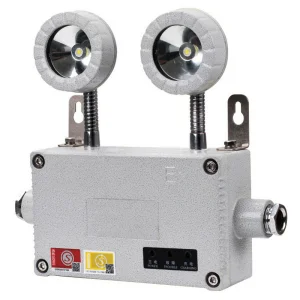
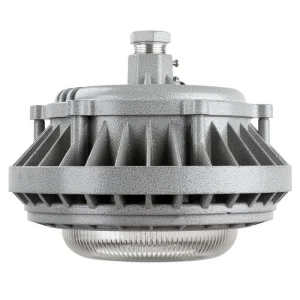
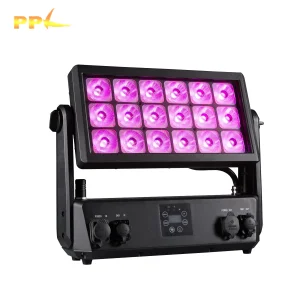
Chemical processing plants, oil refineries, and paint booths present hazardous atmospheres containing volatile vapors or combustible dusts. In these environments, standard linear fixtures are unusable due to the risk of internal sparks causing explosions. Here, specialized Class I, Division 1 & 2 (or ATEX Zone 1/21) explosion-proof lights are mandatory. Engineered with thick, copper-free aluminum housings and tempered, impact-resistant glass diffusers, these units isolate electrical anomalies internally to keep environments safe.
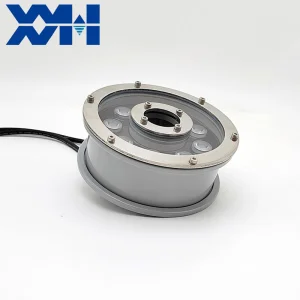
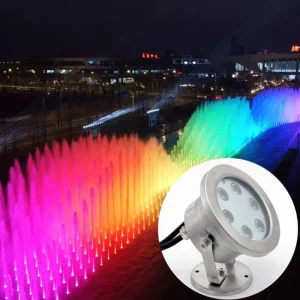
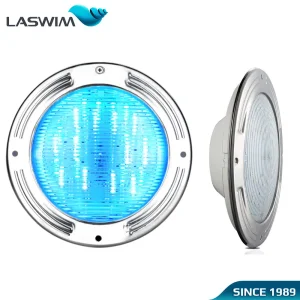
Modern architectural water parks, public fountains, and municipal pools require underwater lights with strict IP68 ingress protection. These systems must resist water pressure and chemical degradation from chlorine and bromine. Marine-grade 316 stainless steel or thick cast-aluminum bodies, combined with high-grade silicone sealing gaskets and low-voltage DC inputs (typically 12V or 24V), ensure electrical safety while delivering vibrant, DMX512-controlled RGB lighting effects.
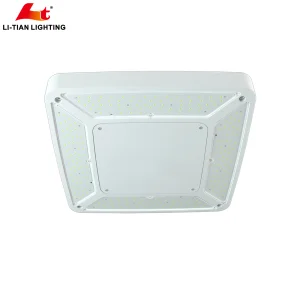
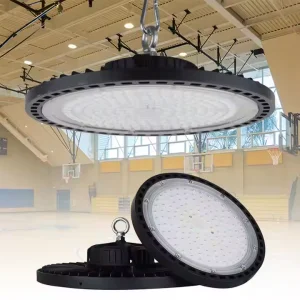
With ceilings soaring above 10 to 15 meters, logistical centers require powerful, high-bay lights to illuminate aisles and loading docks. In these settings, maintenance costs are a key concern. Installing 150W to 250W LED high bays with narrow, high-intensity lenses ensures deep light penetration while lowering energy consumption. Incorporating microwave motion sensors and 0-10V dimming drivers allows these fixtures to drop to 10% brightness when aisles are unoccupied, further cutting operational costs.
In modern office spaces, school classrooms, and pharmaceutical cleanrooms, visual comfort is crucial. Fixtures must minimize glare—targeting a Unified Glare Rating (UGR) below 19—and deliver a high Color Rendering Index (CRI Ra >90) to reduce eye strain and support productivity. Direct/indirect linear light installations and micro-prismatic diffusers distribute light evenly, eliminating shadows and creating inviting, productive workspaces.
How we help distributors, engineering firms, and brand owners build bespoke products.
We provide flexible OEM and ODM services to meet the diverse needs of global clients. By working closely with distributors, project contractors, and brand owners, we develop tailored lighting solutions that align with different market requirements and application scenarios.
| Customization Dimension | Available Options / Technical Scope | Target Market Application |
|---|---|---|
| Driver & Control Topology | DALI, 0-10V, Triac dimming, Zigbee, Tuya IoT, Emergency battery backup (90/180 mins) | Smart buildings, hotels, and emergency escape routes. |
| LED Light Source Customization | CRI >80, >90, >95; Tunable white (2700K - 6500K), RGB, RGBW, customized SMD footprints | High-end retail displays, museums, and human-centric offices. |
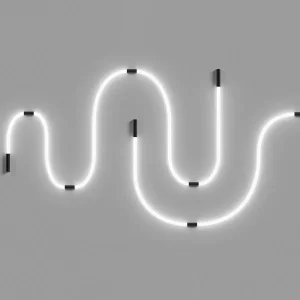
| Extrusion & Mechanics | Custom lengths (0.6m to 3.0m), custom finishes (anodized black, bronze, RAL powder-coating) | Architectural design and modern linear workspace lighting. |
| Ingress & Protection | IP20 (indoor), IP65 (dust/spray), IP66 (jet-proof), IP67 (immersion), IP68 (underwater) | Industrial food facilities, parking structures, and marine installations. |
Our design process begins with a detailed intake phase where we define thermal limits, input voltage spans (e.g., 100V-277V or 347V-480V for industrial grids), and targeting certifications. We generate 3D CAD files and photometrical files (IES/LDT format) to let lighting designers simulate lux values prior to production, ensuring the finished product performs reliably in the field.
How IoT integration, spectral tuning, and sustainable design are transforming the lighting market.
The lighting landscape is shifting rapidly. The industry is moving beyond basic lumen output to focus on intelligent lighting systems, sustainable materials, and human-centric designs. Key trends include:
Expert answers to common questions about industrial lighting, installation safety, and procurement details.
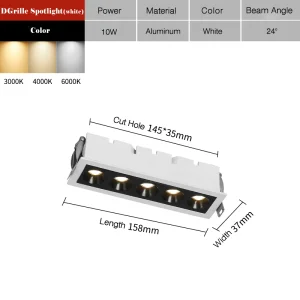
Explore our architectural linear profiles, directional downlights, and museum-grade spotlights.
 Dorde Lights