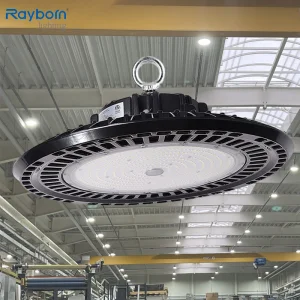
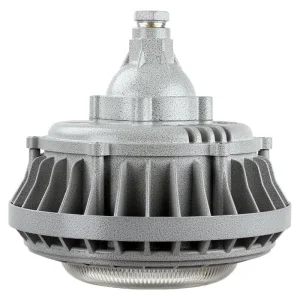
Engineered for High-Reliability, Industrial Durability, and Specialized Applications
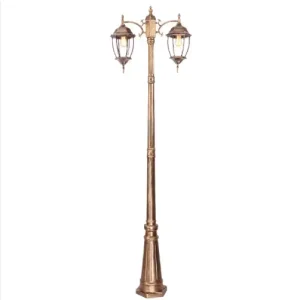
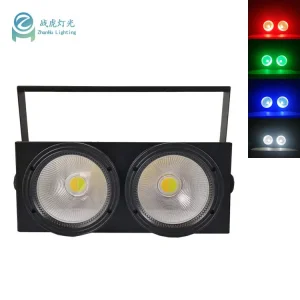
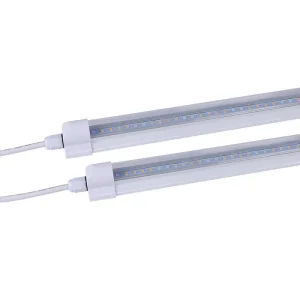
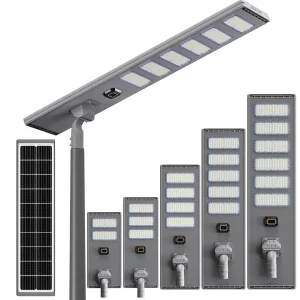
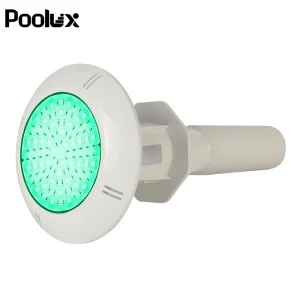
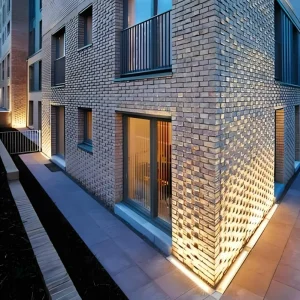
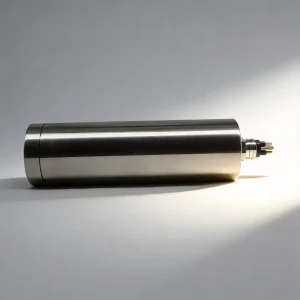
In modern commercial and industrial architectures, the canopy luminaire occupies a highly critical functional category. Designed to provide high-lumen, uniform distribution from semi-confined overhead structures, canopy lighting systems are deployed across multi-variable, high-exposure environments. The design of these luminaires involves a complex synthesis of thermal dynamics, optical precision, electrical stabilization, and environmental resistance.
Historically, high-intensity discharge (HID) and metal halide (MH) sources dominated the canopy space. However, their high power demand, rapid lumen degradation (often losing 30-40% of their output within the first 10,000 operational hours), and extensive warm-up times created significant performance deficits. The emergence of solid-state lighting (SSL) technology disrupted this paradigm, yielding up to an 80% reduction in system energy consumption, instantaneous ignition, and vastly extended lifetime thresholds (typically exceeding L70 at 100,000 hours under rated temperatures).
Precise optical distributions (Type V square/round, Type IV asymmetric) engineered via UV-stabilized polycarbonate lenses prevent glare while maximizing ground illuminance uniformity in complex spaces.
Die-cast ADC12 aluminum housings operate as advanced heatsinks. Utilizing flow-through designs, they regulate junction temperature to preserve lumen integrity and driver longevity.
Equipped with class-leading constant-current drivers supporting universal input voltages (AC100-277V or HV 347-480V) paired with robust 10kV/20kV integrated surge suppressors.
Founded in 2007, Guangdong Dorde Lights Co. Ltd. stands as a professional manufacturer specializing in premium LED lighting solutions designed for demanding residential, commercial, and heavy industrial applications. With over a decade and a half of engineering and manufacturing experience, the company remains dedicated to producing reliable, energy-efficient, and high-performance luminaires for a demanding global market.
Dorde Lights is deeply committed to the research, development, and production of modern, advanced LED lighting designs. By blending practical industrial engineering with contemporary aesthetic profiles, the company manufactures products that optimize photometric coverage while blending seamlessly with architectural facades.
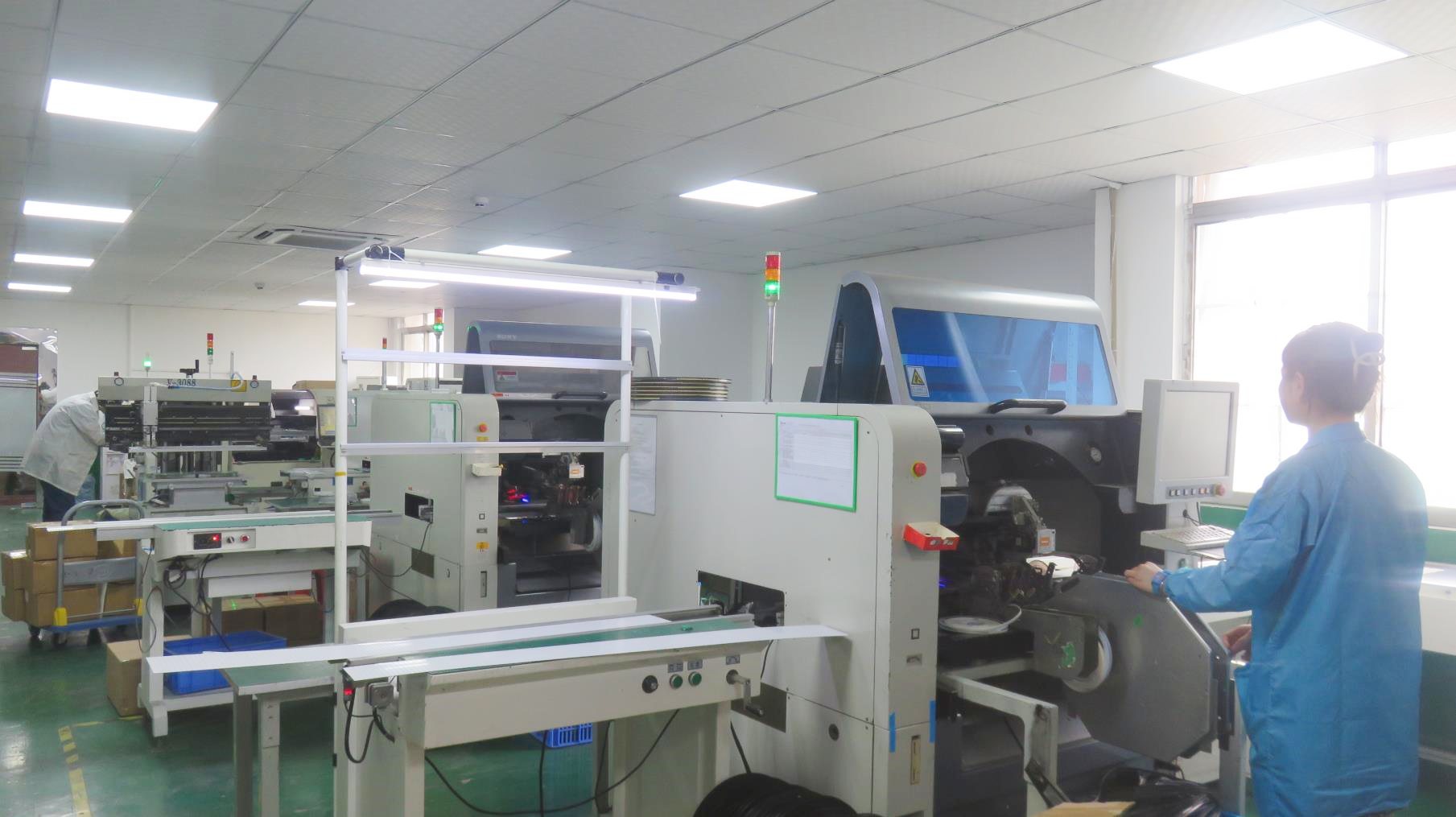
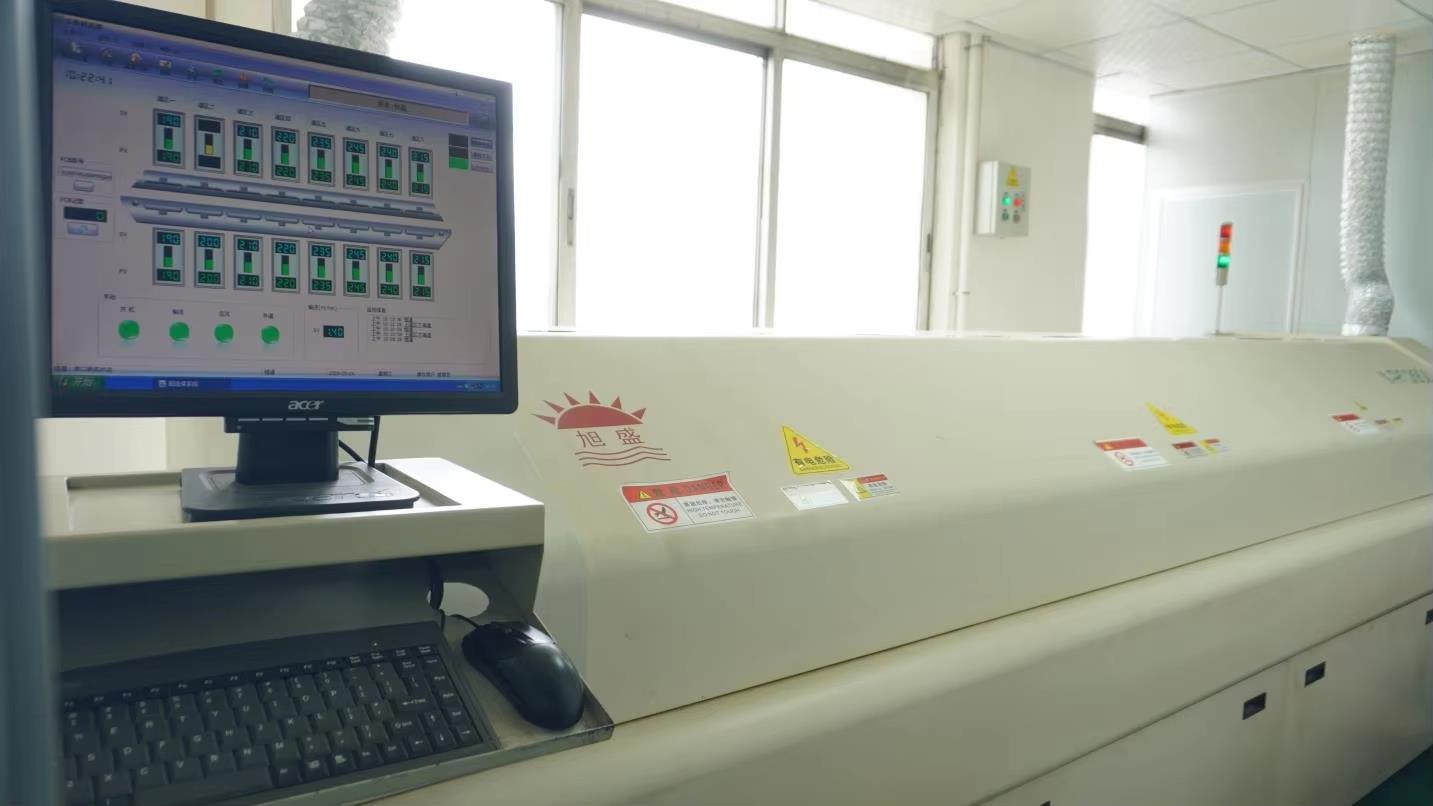
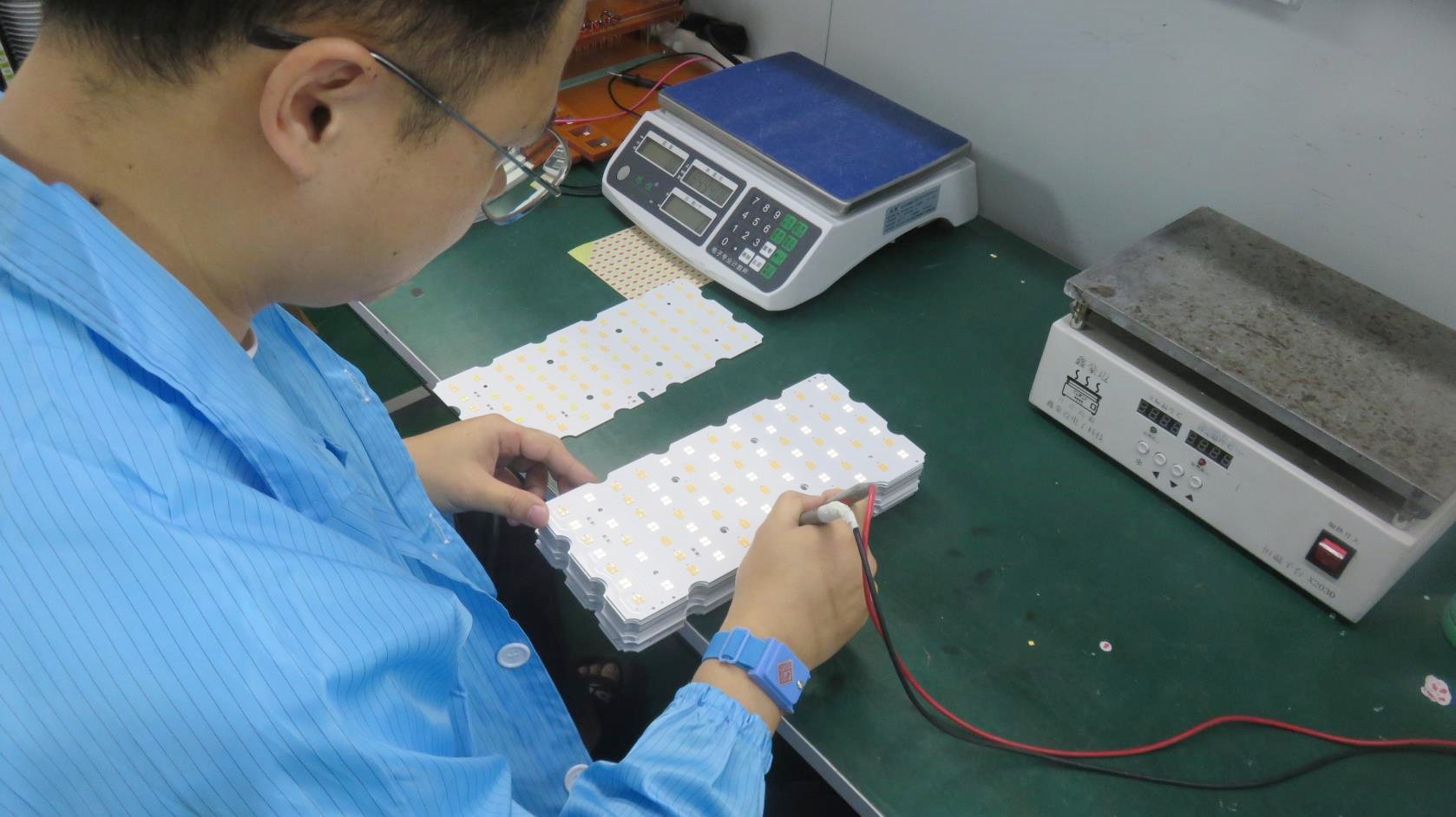
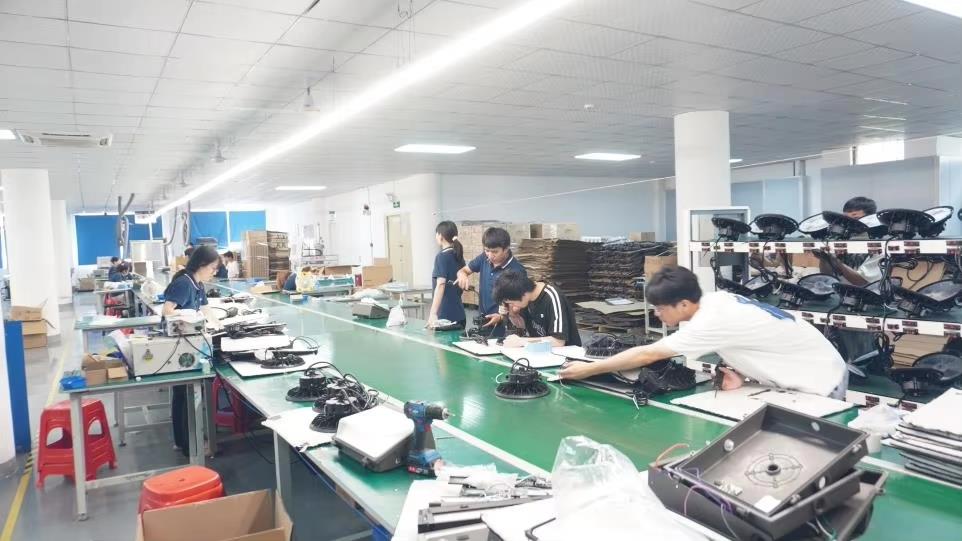
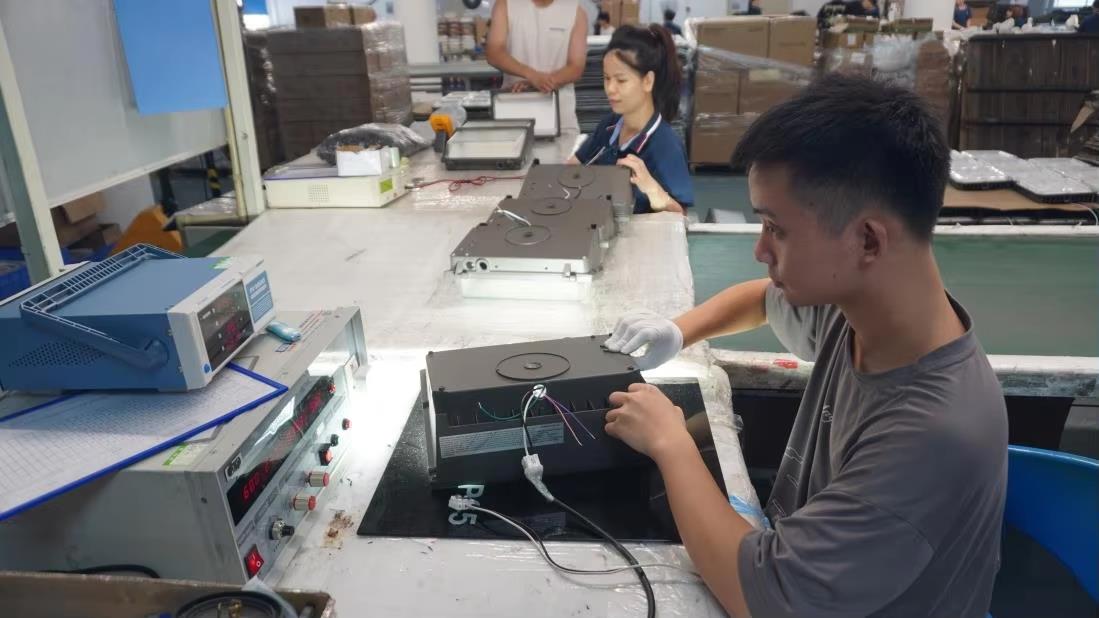
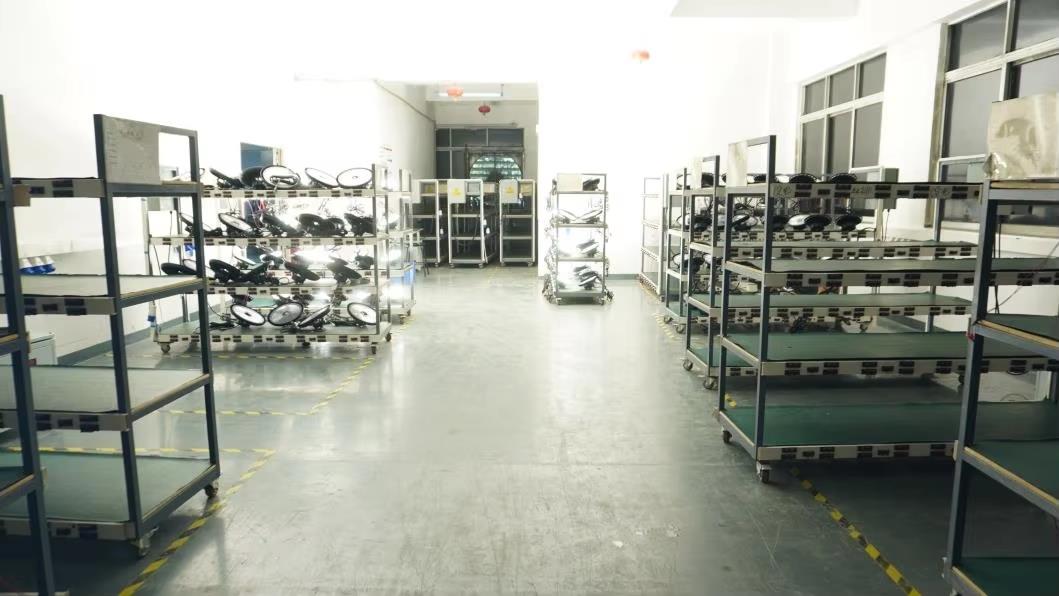
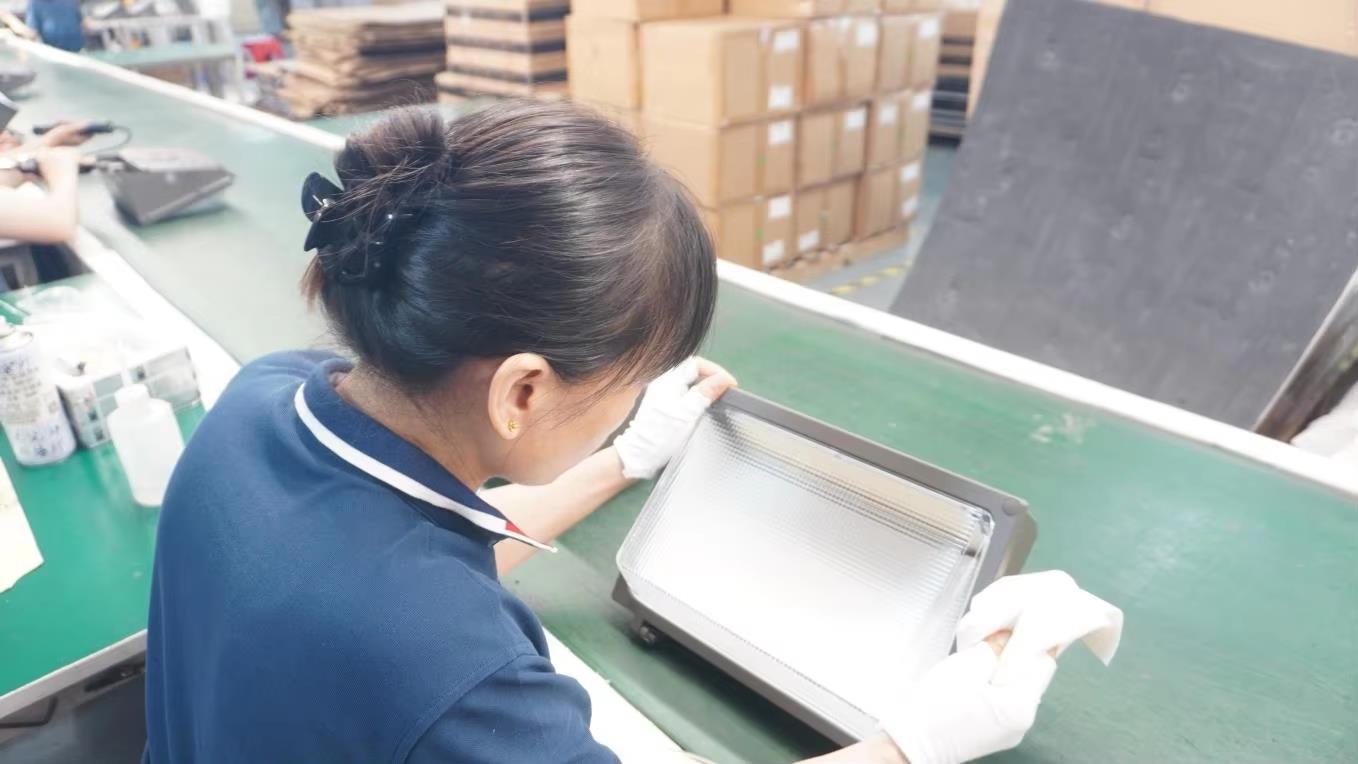
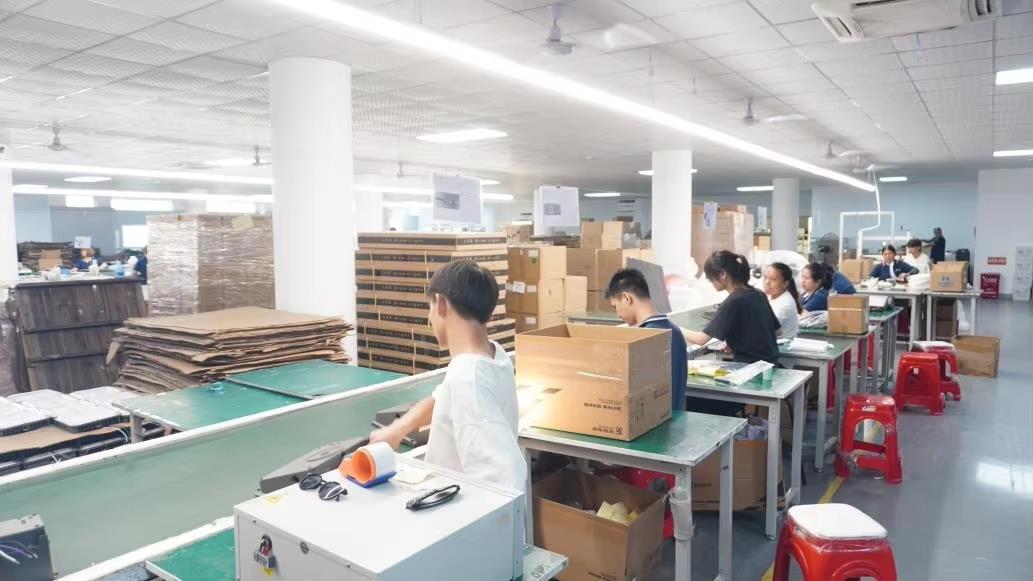
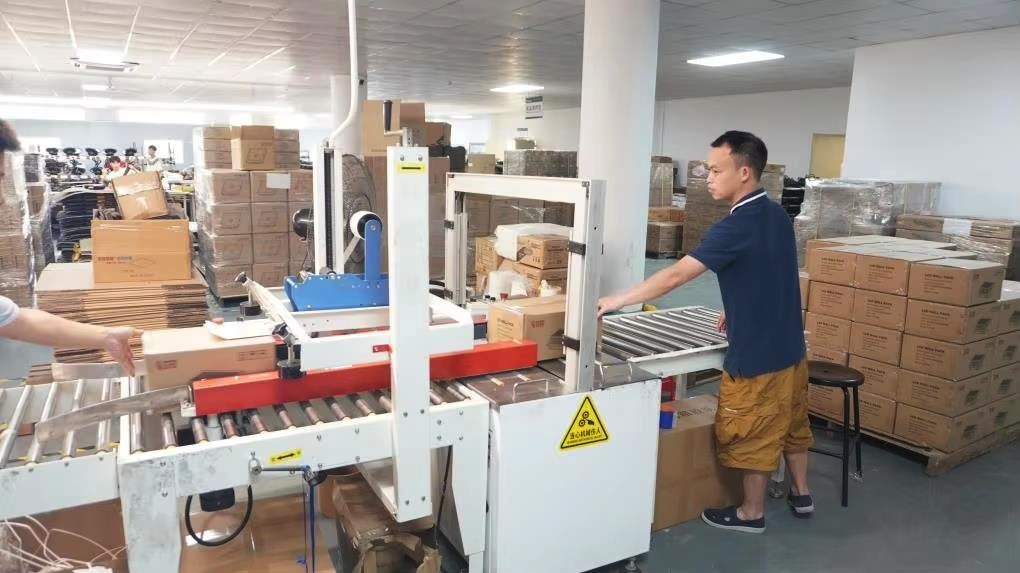
Dorde Lights’ production model is built on manufacturing integrity and a resilient supply chain network, guaranteeing strict quality control and predictable delivery. The factory’s process operates under rigorous quality checks at every level—from incoming raw component validation to final product testing—ensuring long-term stability and minimal failure rates. Furthermore, Dorde Lights offers comprehensive OEM/ODM services, working directly with design houses, commercial developers, and procurement agents to build custom lighting configurations designed for specific regulatory landscapes and structural challenges.
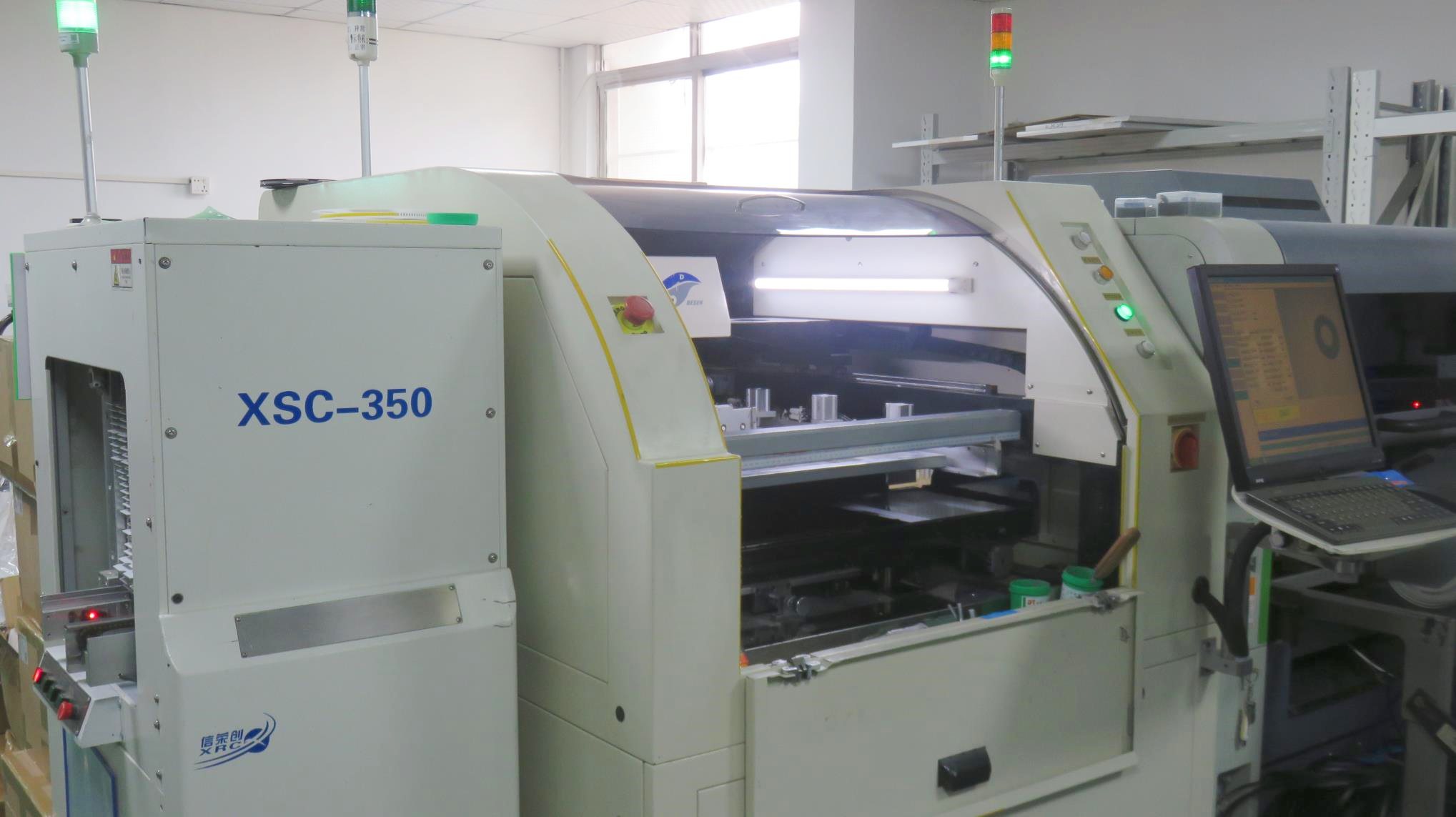
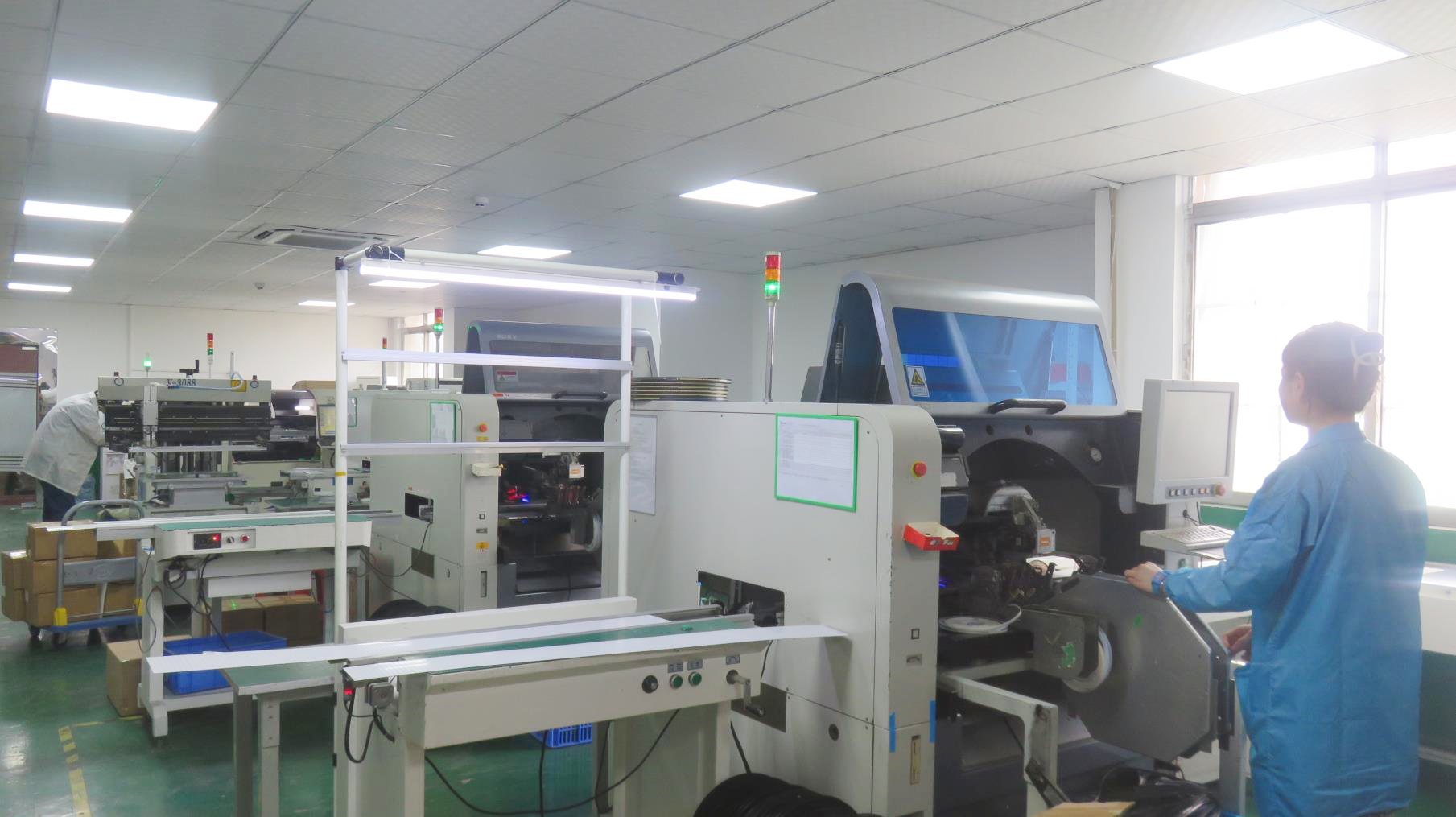
From Surface Mount Technology (SMT) lines to automatic testing bays, our facilities utilize advanced assembly technologies to ensure product consistency, superior heat management, and zero defects.
For enterprise procurement, selecting a supplier requires analyzing several key variables: supply chain maturity, raw material sourcing, engineering standards, and cost optimization. China's canopy light manufacturing sector, centered in the industrial hubs of Guangdong, offers distinct advantages that other manufacturing regions cannot easily duplicate:
The canopy lighting market has moved beyond static fixtures. Modern projects require intelligent, adaptive, and highly durable systems:
By combining DALI-2, Zigbee, or Bluetooth Mesh protocols, systems adjust output based on occupancy or ambient light levels. Integrating daylight harvesting and microwave motion sensors reduces energy usage by 40-60% in low-traffic periods.
Utilizing high-bin LED packages (like Cree, Lumileds, or Osram), system efficacy now exceeds 160-180 lm/W. This delivers greater brightness while lowering overall energy consumption, supporting corporate sustainability and carbon reduction goals.
A single lighting design does not fit all environments. Different applications present distinct physical and environmental challenges:
Environments with volatile fuel vapors require vapor-tight, explosion-proof construction (hazardous location listings like Class I, Division 2 / Zone 2). Fixtures must prevent spark risks, withstand regular pressure washdowns (IP65/IP66), and provide glare-free, uniform light for driver safety.
Low ceilings require low-profile designs to prevent collision risks. Strong impact protection (IK08 to IK10) prevents damage from vandalism or high-clearance vehicles, while wide, asymmetric light distribution eliminates dark corners to improve security.
Outdoor industrial hubs require robust resistance against weather extremes. Exposure to wind, rain, salt spray, and vibration demands high corrosion resistance (using electrophoretic painting or marine-grade finishes) and stable surge protection.
Below, we answer common technical questions asked by lead engineers, municipal planners, and commercial developers when sourcing canopy lights:
Premium Architectural, Agricultural, and Explosion-Proof Systems for Demanding Global Environments
 Dorde Lights