High-efficiency, industrial-spec luminaires designed for rigorous environments, continuous duty cycles, and mission-critical durability.

From high-pressure sodium (HPS) obsolescence to AI-driven, solid-state dynamic luminance adaptation.
Modern highway tunnels represent extreme optical transit zones. As vehicular traffic approaches subterranean portals during midday peak solar exposure (up to 100,000 lux), drivers experience transient visual blindness—the "black hole effect." Leading tunnel lighting manufacturers focus heavily on resolving this physiological crisis by executing precision threshold illumination profiles exceeding 200 cd/m², transitioning smoothly through entry, transition, and interior lighting zones according to CIE 88-2004 standards.
Unlike standard urban street lighting, tunnel lighting fixtures are subjected to high concentrations of particulate matter, sulfurous exhaust gases, de-icing chemical residues, and pulsating mechanical vibrations generated by heavy freight vehicles. Engineering resilient luminaires demands marine-grade die-cast aluminum alloys (ADC12/A380), fluorocarbon electro-deposition coatings, and impact-resistant tempered borosilicate glass certified to IK09 or IK10 shock resistance thresholds.
The transition toward Intelligent Transportation Systems (ITS) has elevated industrial tunnel lighting from passive illumination to networked data nodes. Through DALI-2, 0-10V, and Power Line Carrier (PLC) architectures integrated with luminance photometer sensors, current systems dynamically step illumination levels down in proportion to ambient exterior daylight, optimizing operational carbon footprints and lowering municipal maintenance overhead.
How civil engineers, EPC infrastructure contractors, and global distributors evaluate tunnel light manufacturing facilities.
| Evaluation Metric | Tier-1 Factory Standards | Critical Engineering Impact | Failure Risk Factor |
|---|---|---|---|
| Optical Uniformity (Uo & Ul) | Uo > 0.40, Ul > 0.60 to 0.70 | Eliminates the "zebra effect" and visual fatigue across multi-lane highways | High driver disorientation, increased collision rates |
| Thermal Dissipation Dynamics | Junction Temp (Tj) < 65°C @ Ta 35°C | Direct copper substrate bonding and optimized thermodynamic convection fins | Rapid lumen depreciation, chromatic shift, driver burnout |
| Surge Protection (SPD) | 10kV / 20kV Differential & Common Mode | Absorbs heavy switching transients and subterranean lightning strikes | Cascading power supply blowout along entire tunnel circuits |
| Chemical & Water Ingress | IP66 Dual Seal / IP69K Pressure Wash Safe | Withstands annual high-pressure mechanized detergent cleaning brushes | Moisture ingress, internal corrosion, short circuits |
Industrial Manufacturing Excellence, Precision Quality Control, and Worldwide Engineering Supply Chain.
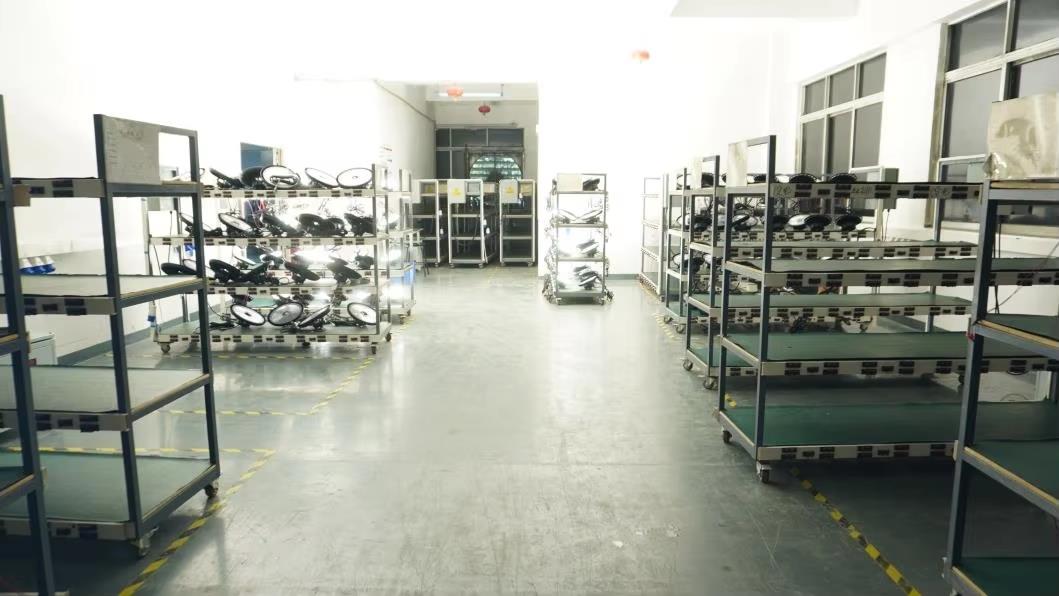
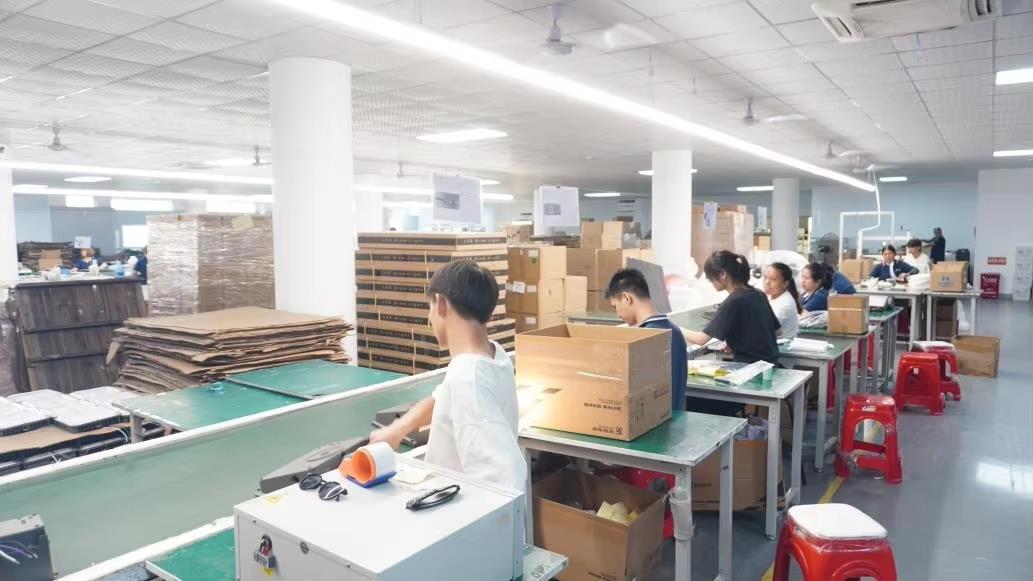
Founded in 2007, Guangdong Dorde Lights Co. Ltd. is a professional manufacturer specializing in LED lighting solutions for residential, commercial, and industrial applications. With years of experience in the lighting industry, we are committed to delivering reliable, energy-efficient, and high-performance lighting products to customers worldwide.
Dorde Lights is dedicated to the research, development, and production of modern LED lighting products. Our product range includes LED panel lights, downlights, linear lights, and customized lighting solutions. By combining practical engineering with contemporary design, we aim to create lighting that is both functional and visually refined.
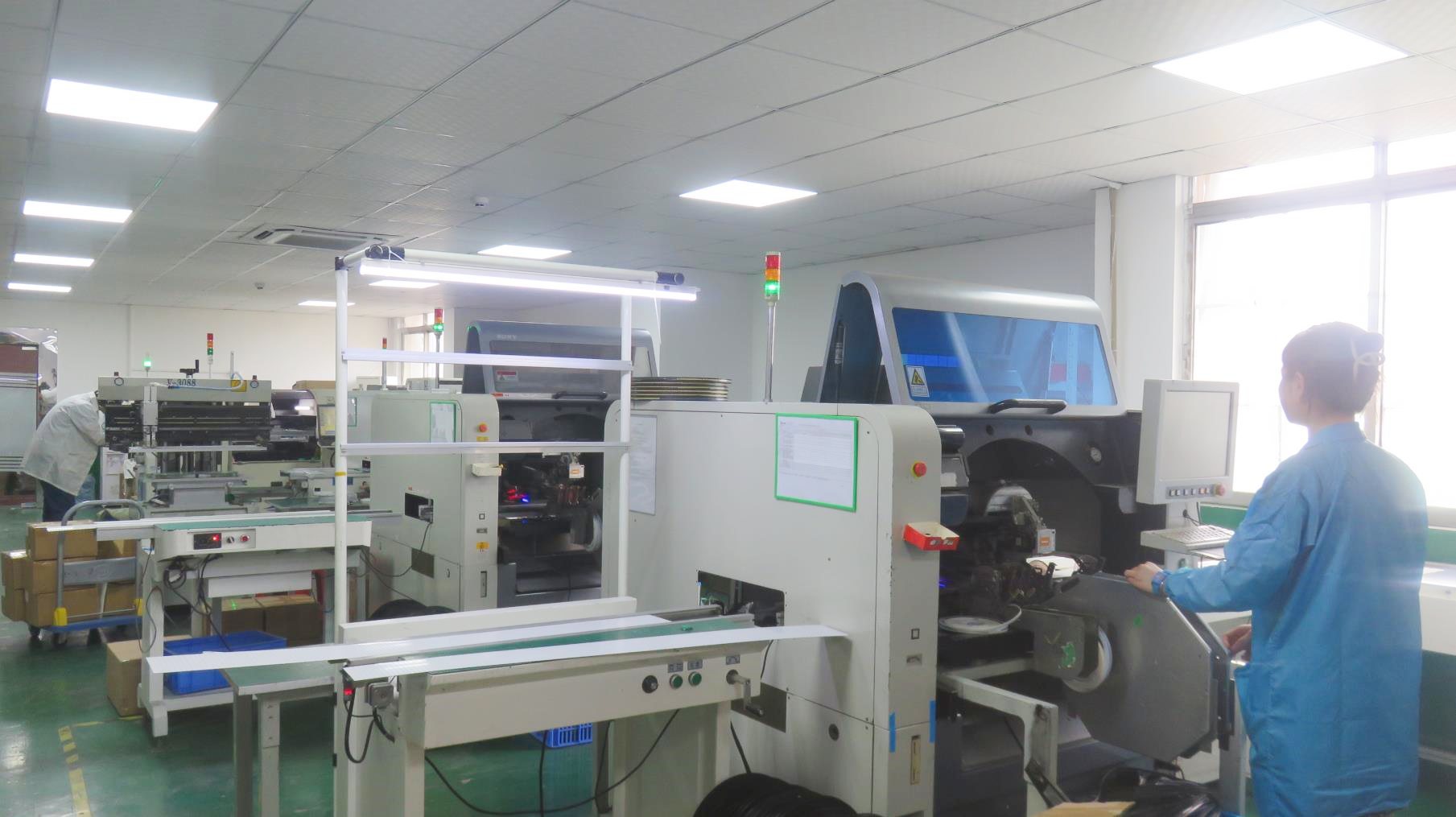
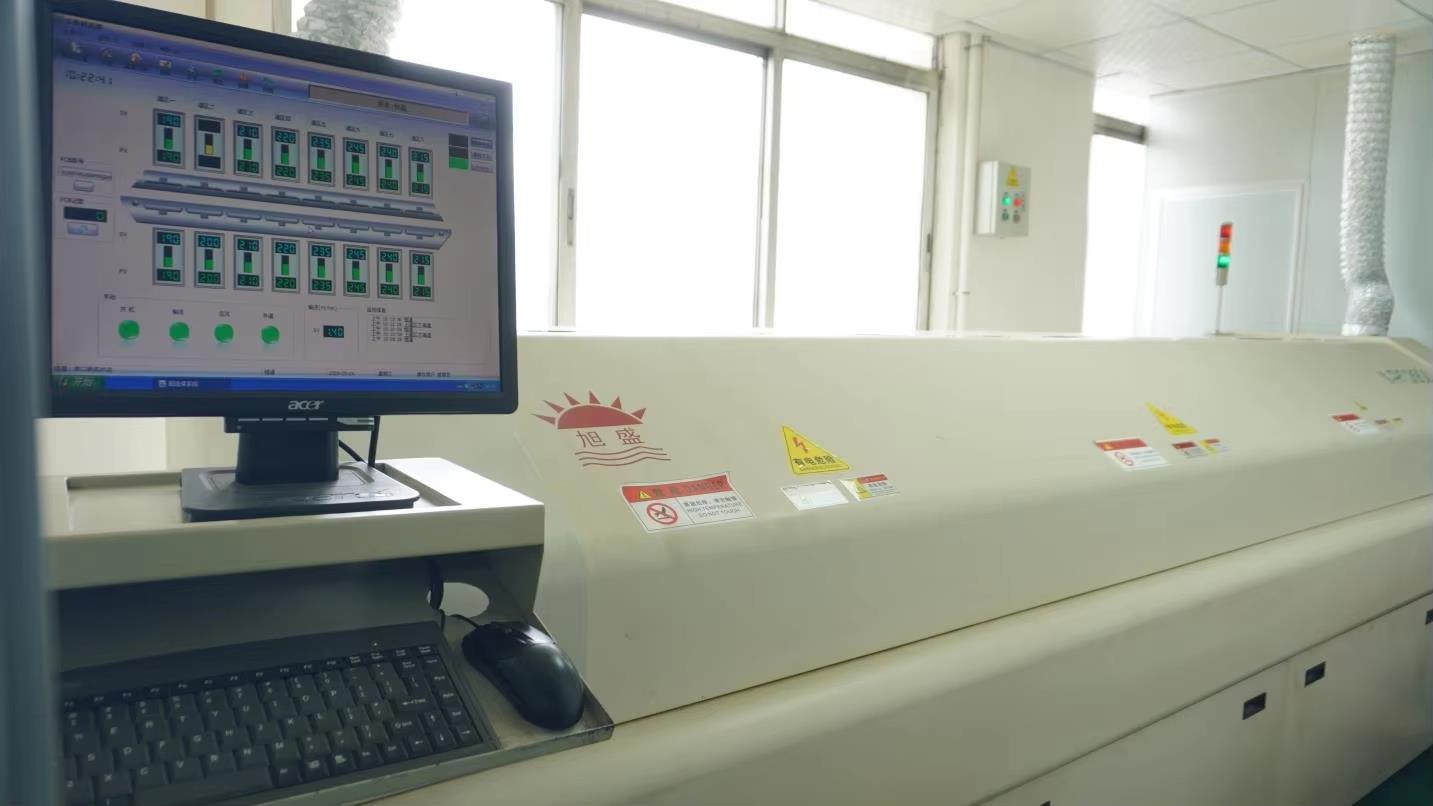
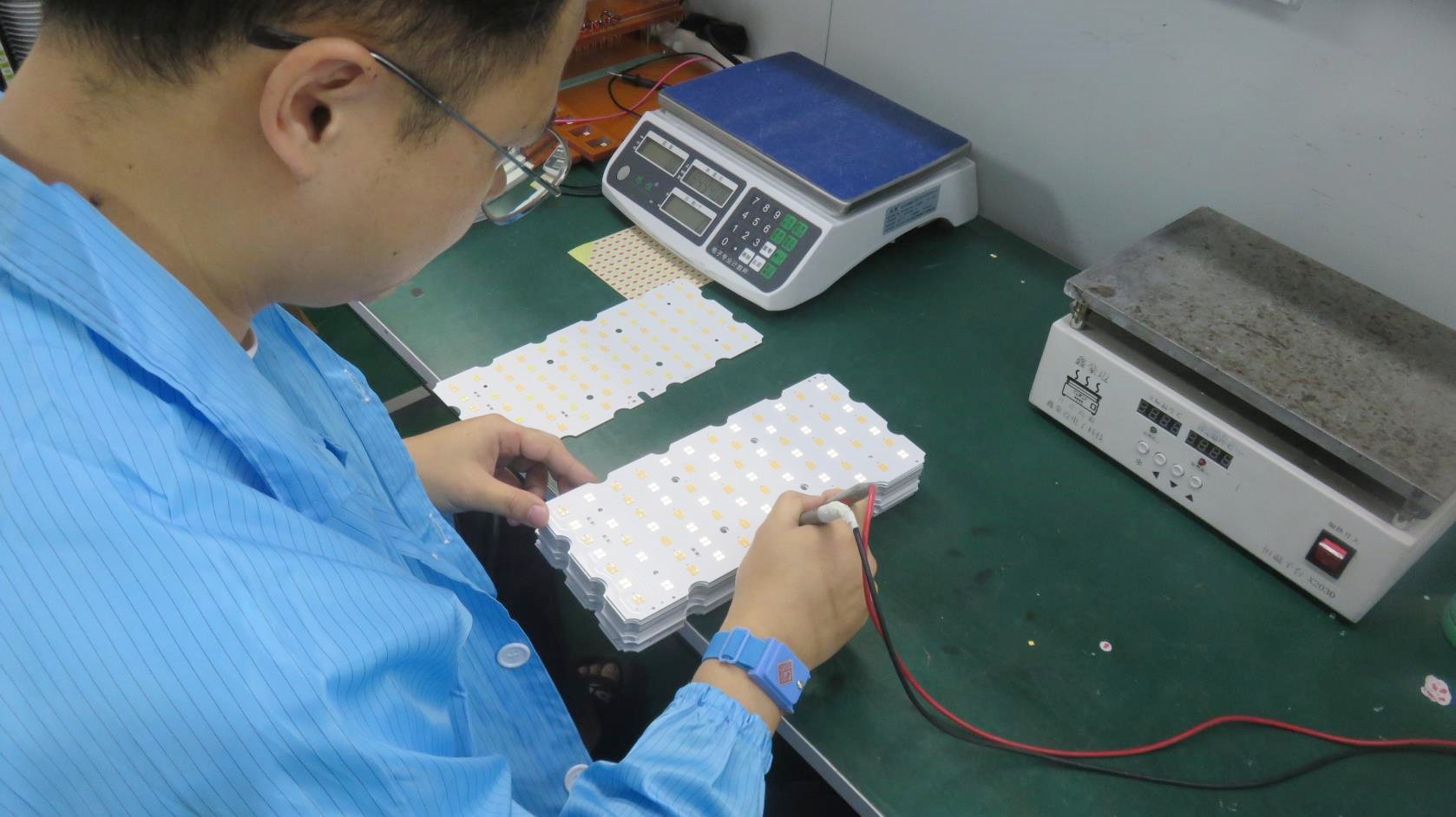
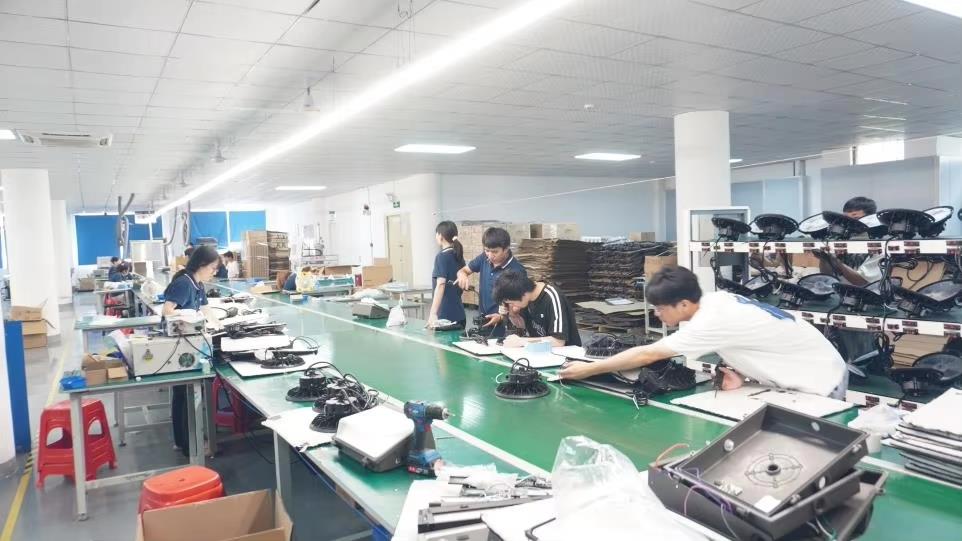
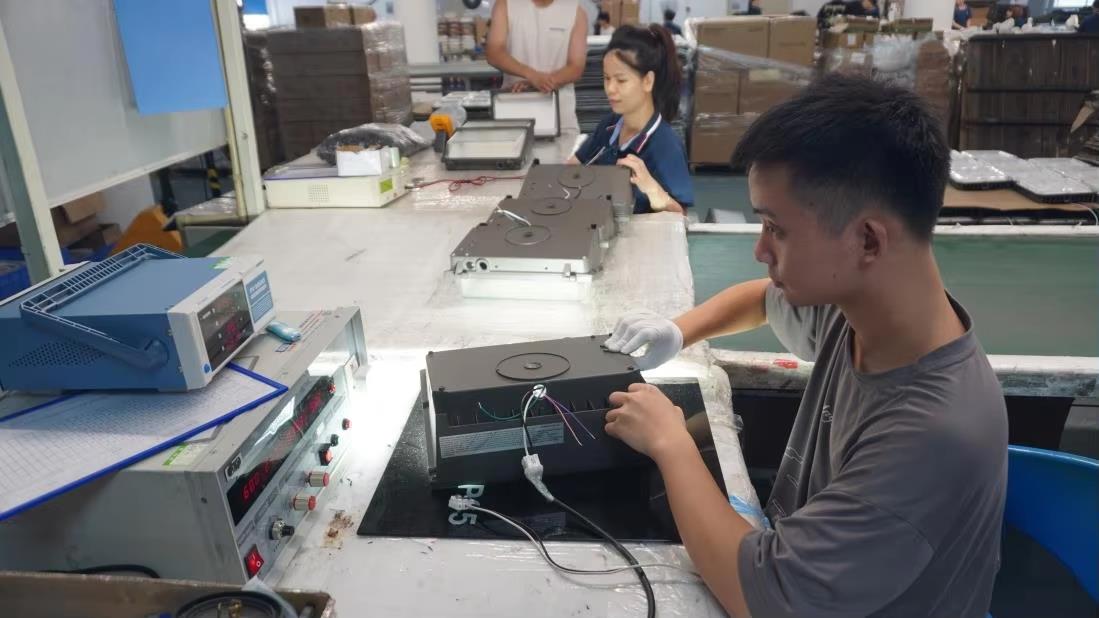
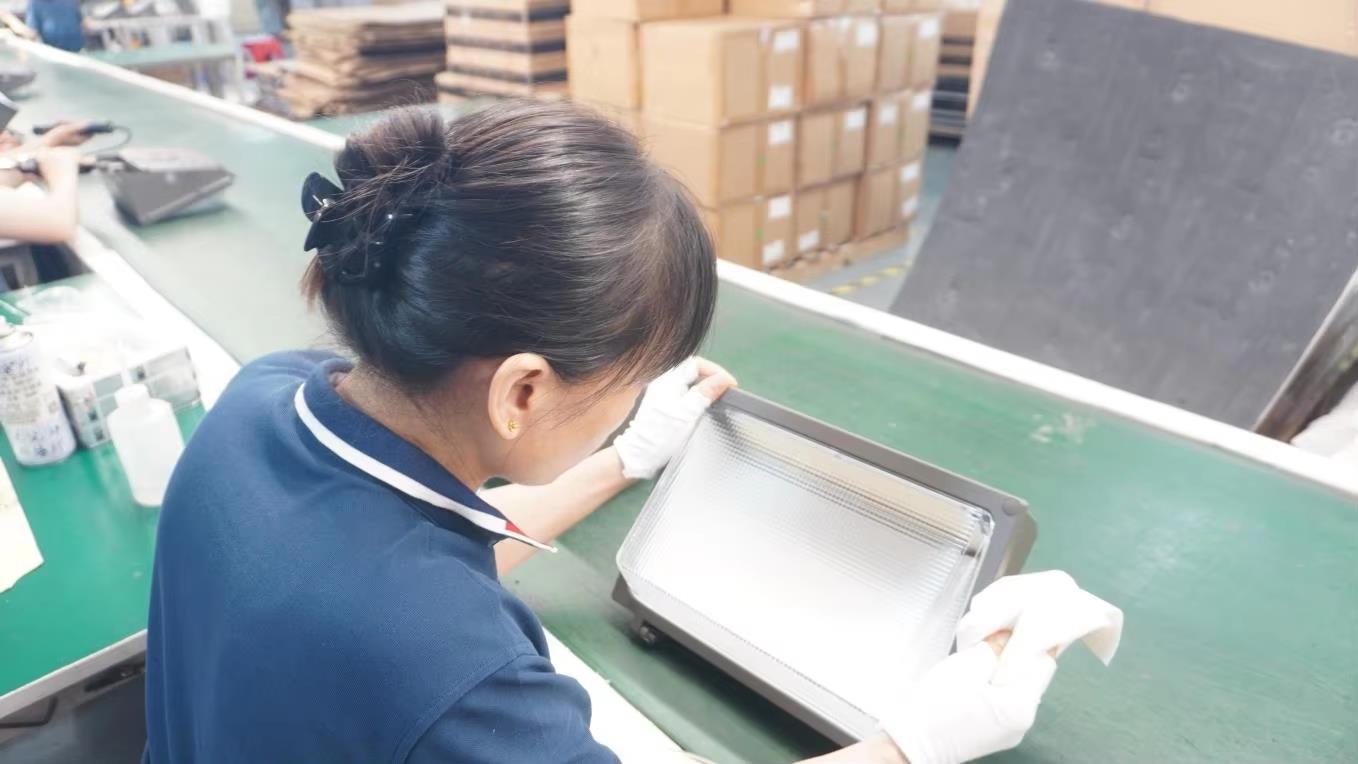
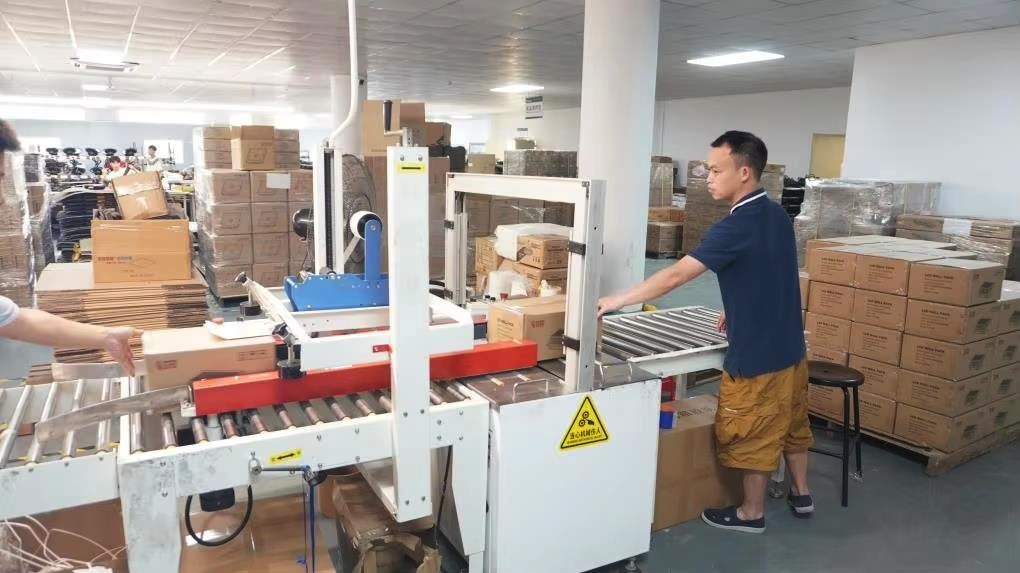
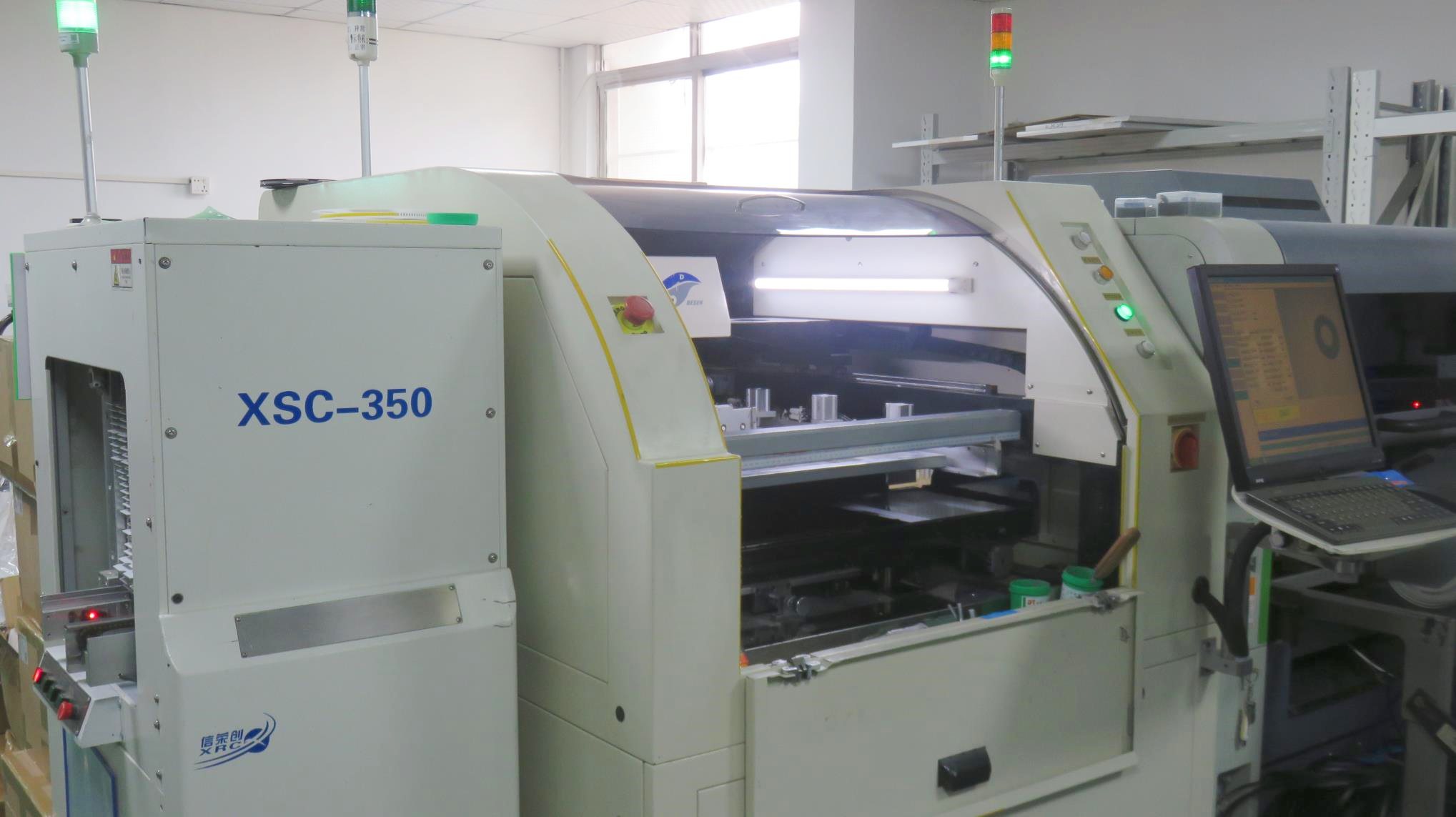
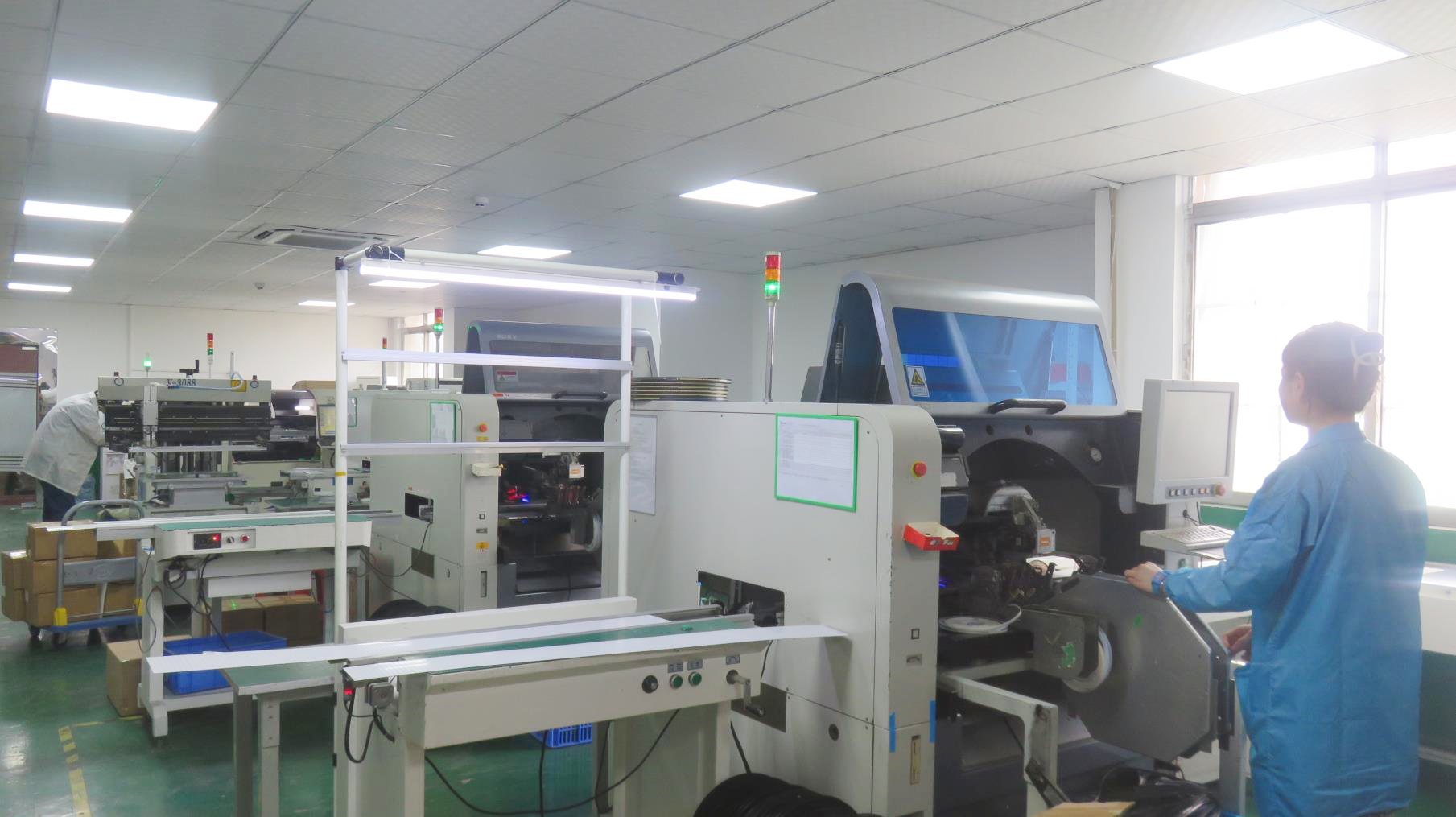
With a well-established production system and stable supply chain partnerships, we ensure consistent product quality, competitive pricing, and efficient delivery. Our manufacturing process follows strict quality control standards at every stage—from material selection to final inspection—ensuring reliability and long-term performance.
We provide flexible OEM and ODM services to meet the diverse needs of global clients. By working closely with distributors, project contractors, and brand owners, we develop tailored lighting solutions that align with different market requirements and application scenarios.
At Dorde Lights, we believe long-term success comes from trust and consistency. We are committed to maintaining close cooperation with our partners and continuously improving our products and services to adapt to evolving market demands. Our vision is to become a trusted global LED lighting manufacturer recognized for quality, innovation, and customer-focused solutions. We will continue to invest in product development and manufacturing excellence to bring better lighting experiences to users around the world.
Deploying tailored illumination solutions across complex transit and heavy-industrial infrastructure.
Alpine and mountainous corridors face extreme seasonal temperature deltas (-35°C to +40°C) coupled with road salting and condensation. Tier-1 tunnel luminaires utilize breathing valves (Gore membranes) to balance internal pressure without compromising IP66 hermetic sealing, preventing interior glass fogging and maintaining constant beam precision.
Undersea tunnels operate under persistent humidity saturated with chloride ions. In this high-salinity environment, fixtures demand 316-grade stainless steel brackets, electro-polished surfaces, and galvanic isolation mountings to resist accelerated electrochemical corrosion over 20-year lifespans.
Subterranean municipal interchanges demand low-glare counter-beam optical distributions (CIE Class G1 to G3). By projecting light toward approaching drivers without direct source exposure, contrast is heightened for roadway obstacles, improving stopping distances and vehicular response speeds.
The next generation of tunnel illumination links solid-state optoelectronics with machine vision. Smart tunnel luminaires are currently being engineered with synchronized Li-Fi transmitters and high-frequency PWM switching free of stroboscopic flicker, allowing autonomous vehicle optical sensors to decipher localization telemetry in subterranean zones where GPS satellite signals are fully occluded.
Direct technical answers for project specifiers, electrical consultants, and procurement managers.
According to CIE standards, a tunnel lighting profile is segmented into five distinct zones: the Access Zone (approach road), the Threshold Zone (entry transition to counter the black-hole illusion), the Transition Zone (gradual luminance step-down), the Interior Zone (constant base lighting level), and the Exit Zone (adaptation back to ambient daylight).
Counter-beam lighting directs peak candlepower against oncoming traffic at a shallow angle. This drastically elevates pavement luminance while keeping obstacle silhouettes in sharp, dark relief, generating superior negative contrast without exposing drivers to debilitating glare.
Industrial tunnel fixtures use high-grade silicone gaskets, anti-acid passivated surface coatings, and toughened tempered glass enclosures. Products rated IP66 and IP69K undergo rigorous validation testing under high-pressure, hot water jet cleaning up to 100 bar (1450 psi).
While wireless mesh solutions (Zigbee/LoRa) can suffer from waveguide reflection issues in concrete and steel tunnels, wired industrial protocols like DALI-2, RS-485 Modbus, and narrowband Power Line Carrier (PLC) remain the gold standard for robust, interference-free control.
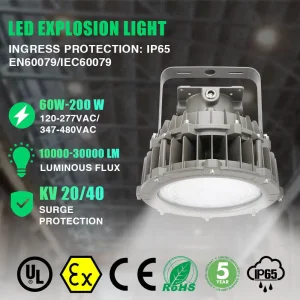
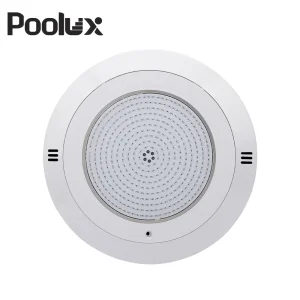
Explosion-proof fixtures, IP68 underwater illumination, and specialized architectural track systems.
 Dorde Lights