Engineered to strict international performance standards, matching structural durability with advanced optical distribution.
Strategic analysis of commercial solid-state lighting integration, optical mechanics, and regional distribution channels.
In contemporary commercial architecture and urban structural design, accent lighting has transitioned from a basic aesthetic layer to a core functional requirement. By employing narrow-beam optics, precise color-rendering indices, and high contrast ratios, architectural lighting designers emphasize geometric forms, construct visual hierarchies, and steer pedestrian traffic flow.
From a market dynamics perspective, the global commercial outdoor and accent lighting market is expected to expand significantly through 2030, driven by the construction of smart cities, transit hubs, and retail spaces. Solid-state lighting (SSL) continues to displace legacy halogen and high-pressure sodium fixtures. This shift is accelerated by regulatory mandates targeting carbon neutrality, forcing contractors to source from verified manufacturers capable of integrating high-luminous-efficacy LED packages with intelligent control drivers.
The role of China-based lighting exporters has similarly evolved. Modern plants are no longer simple assembly lines; instead, they serve as integrated R&D hubs that control the entire value chain—from sub-nanosecond Surface Mount Technology (SMT) processes to rigorous IP67 and IP68 testing. Importers in the EU, North America, and Australia prioritize manufacturing facilities that demonstrate compliance with international certification frameworks (CE, RoHS, UL, and SAA) while maintaining consistent chromaticity across large production lots.
An analysis of thermodynamic management, mechanical protection levels, and color rendering consistency in accent lighting.
| Lighting Category | Optimal Beam Angle | IP Rating Requirement | Target Luminous Efficacy | Primary Commercial Application |
|---|---|---|---|---|
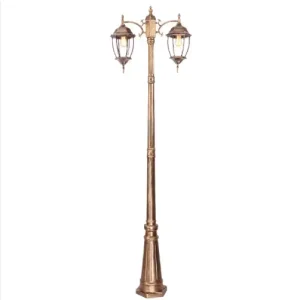
| Outdoor Bollard & Pathway Lights | 270° and Multi-directional | IP65 to IP66 | 110 - 130 lm/W | Pedestrian zones, commercial landscaping, security walkways |
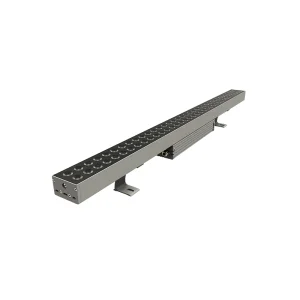
| Linear RGBW Wall Washers | 15° x 60° Asymmetrical / 30° / 45° | IP66 to IP67 | 90 - 110 lm/W (Dynamic RGBW) | Bridge contour rendering, facade architectural highlighting |
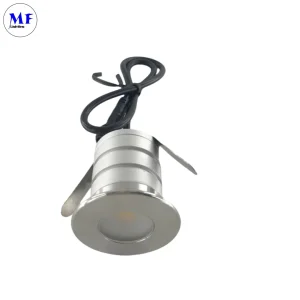
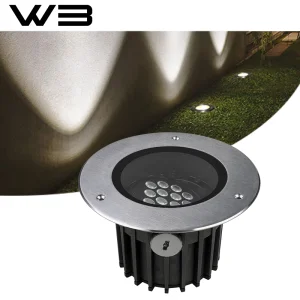
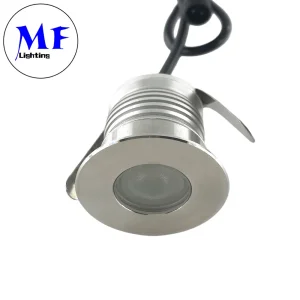
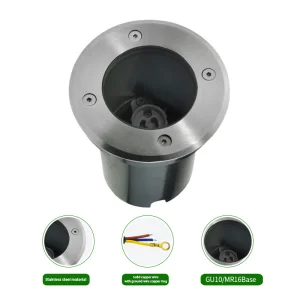
| Uplight Recessed Inground | 10° Narrow to 60° Flood | IP67 to IP68 | 100 - 120 lm/W | Plaza floor markers, columns, landscape structural accents |
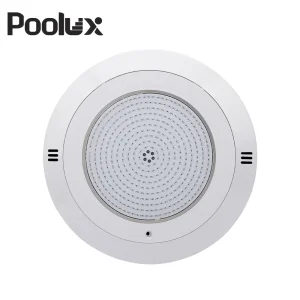
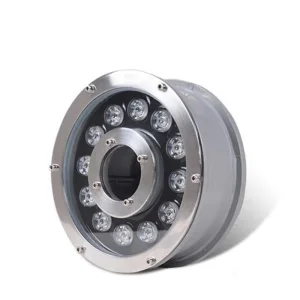
| Underwater Pool & Fountain | 15° / 30° / 45° / 60° | IP68 (Hermetically Sealed) | 90 - 110 lm/W | Swimming pools, municipal fountains, water-feature design |
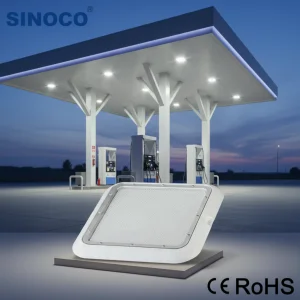
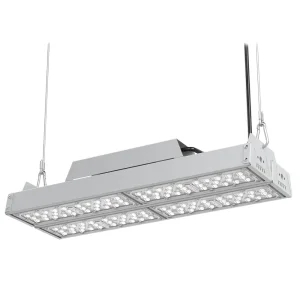
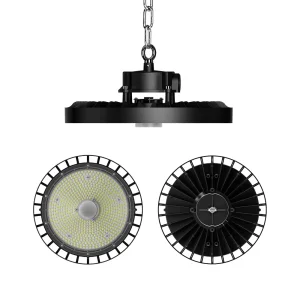
| Industrial Canopy & High Bay | 60° / 90° / 120° | IP65 (Tri-Proof) | 140 - 160 lm/W | Logistics centers, chemical warehouses, fuel stations |
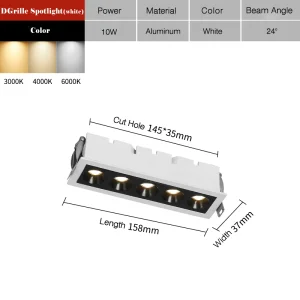
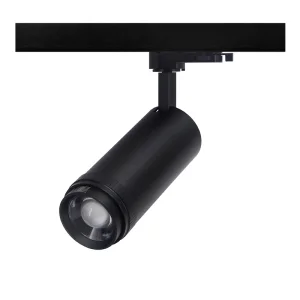
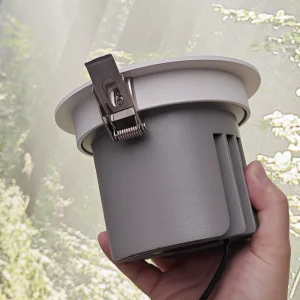
| Zoomable Museum Track Lights | 15° to 60° Continuous Adjustable | IP20 (Indoor Professional) | 90 - 100 lm/W (CRI > 95) | Art galleries, luxury retail, automotive showrooms |
Selecting high-performance luminaires requires a deep understanding of three physical vectors: Thermal Management, Spectral Composition, and Optical Distribution. When designing fixtures for high-exposure outdoor settings (such as the 96W RGBW Wall Washer or Inground Uplights), heat dissipation remains a primary engineering constraint. LED chips are highly sensitive to junction temperatures (Tj). If Tj exceeds 85°C, phosphor degradation accelerates, resulting in irreversible color shifts and luminous decay. Quality manufacturing centers utilize die-cast ADC12 aluminum alloys featuring multi-finned heat sinks to maximize convective thermal dissipation.
Furthermore, in specialized interior applications like museum track spots and retail downlights, the quality of light is defined by spectral fidelity. Traditional metrics rely heavily on the Color Rendering Index (CRI Ra), where a value above 80 is standard, but professional applications increasingly mandate measurements against the newer IES TM-30-15 standard. This framework utilizes 99 individual color evaluation samples rather than the typical 8 pastel colors of CRI, allowing engineers to confirm the Fidelity Index (Rf) and Gamut Index (Rg) to guarantee natural skin tones and rich fabric saturation.
Founded in 2007, delivering precision-engineered OEM & ODM solid-state lighting solutions globally.
Dorde Lights is dedicated to the research, development, and production of modern LED lighting products. Our product range includes LED panel lights, downlights, linear lights, and customized lighting solutions. By combining practical engineering with contemporary design, we aim to create lighting that is both functional and visually refined.
With a well-established production system and stable supply chain partnerships, we ensure consistent product quality, competitive pricing, and efficient delivery. Our manufacturing process follows strict quality control standards at every stage—from material selection to final inspection—ensuring reliability and long-term performance.
We provide flexible OEM and ODM services to meet the diverse needs of global clients. By working closely with distributors, project contractors, and brand owners, we develop tailored lighting solutions that align with different market requirements and application scenarios.
To maintain strict quality consistency, Guangdong Dorde Lights Co. Ltd. has invested heavily in automatic production lines, testing instrumentation, and systematic validation chambers. The transition from component assembly to highly controlled cleanroom operations ensures minimal particulate contamination, which is vital for high-voltage driver assemblies and optical encapsulation.
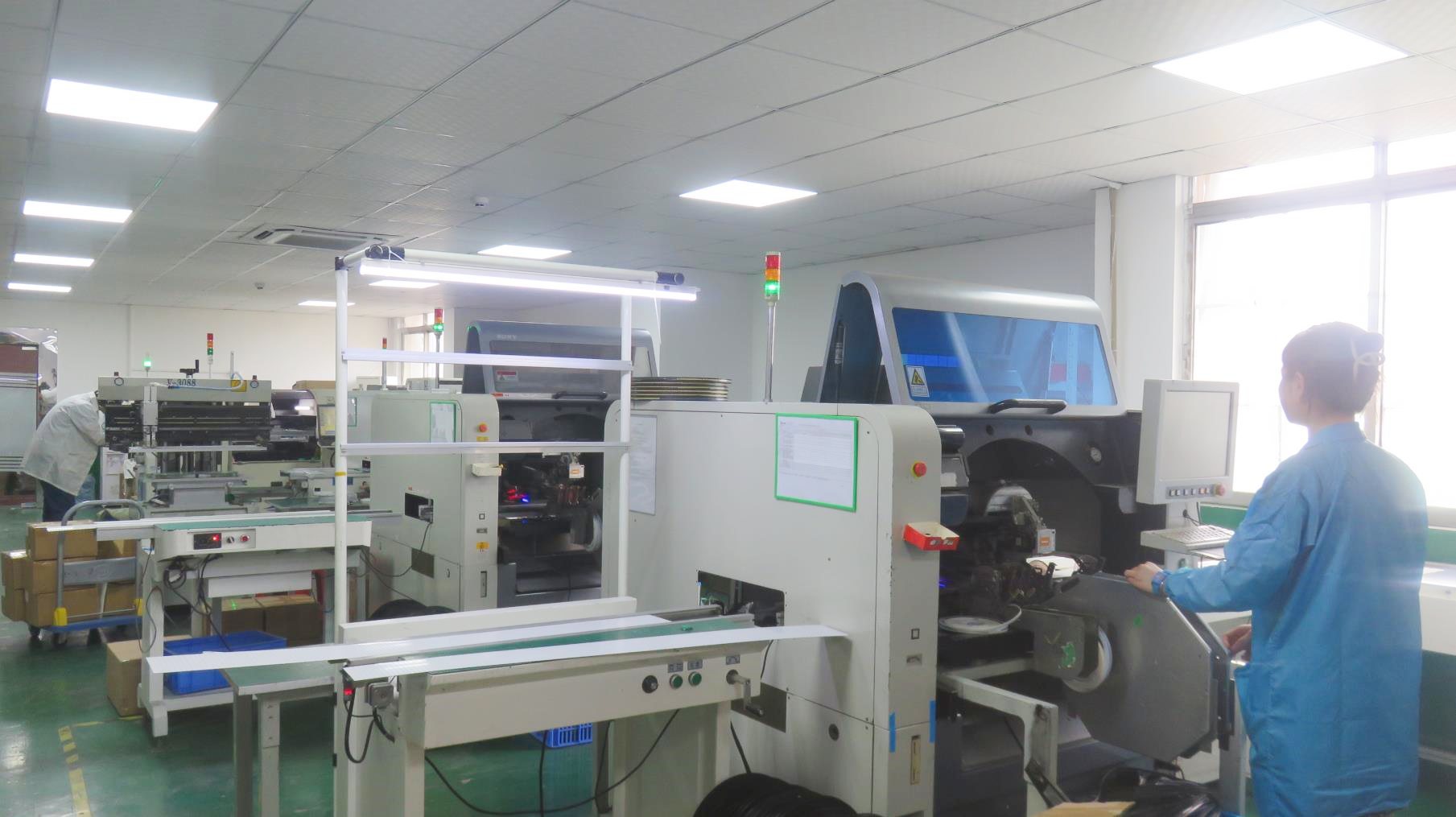
High-Speed SMT Line
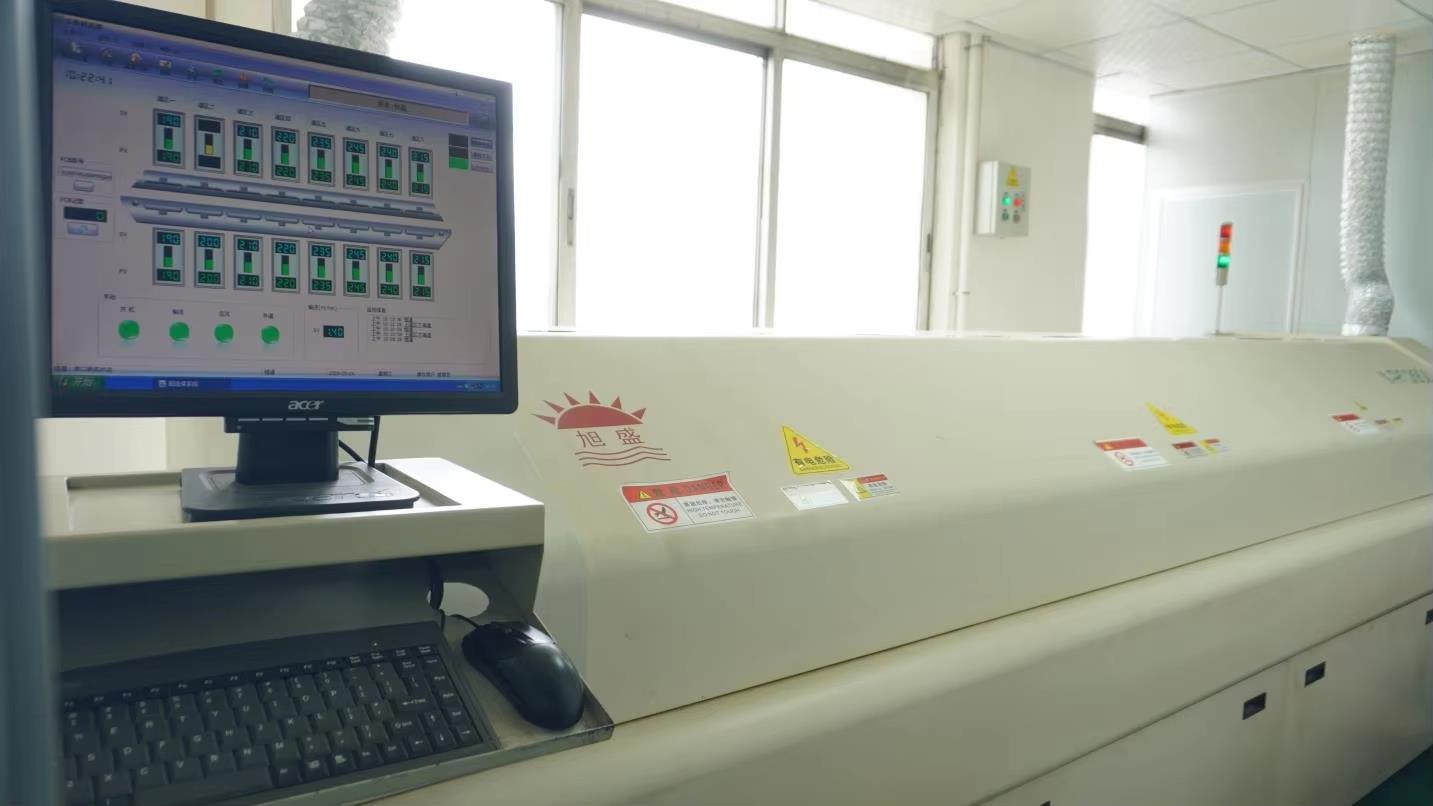
Reflow Soldering Oven
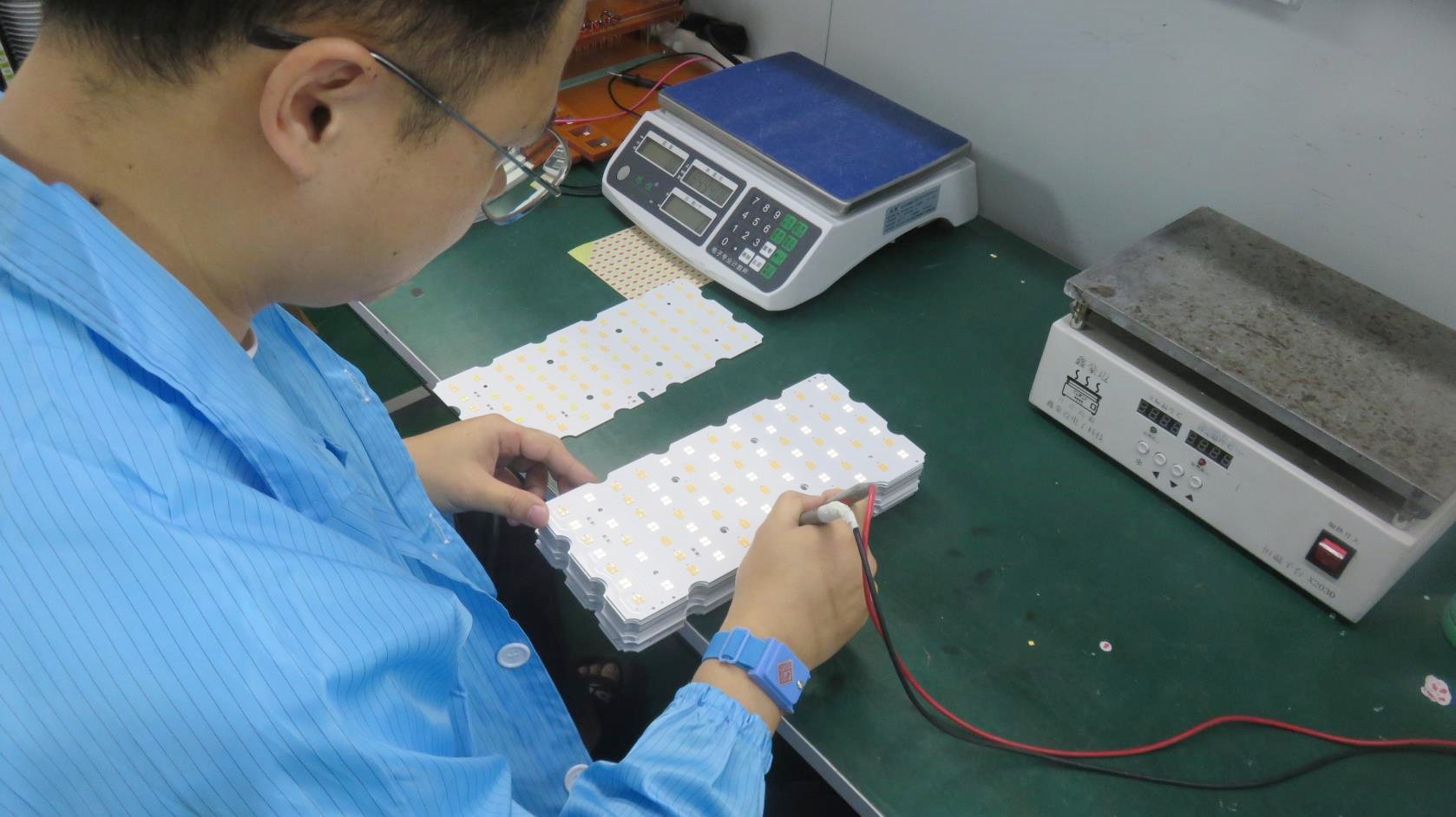
Precision Optical Testing
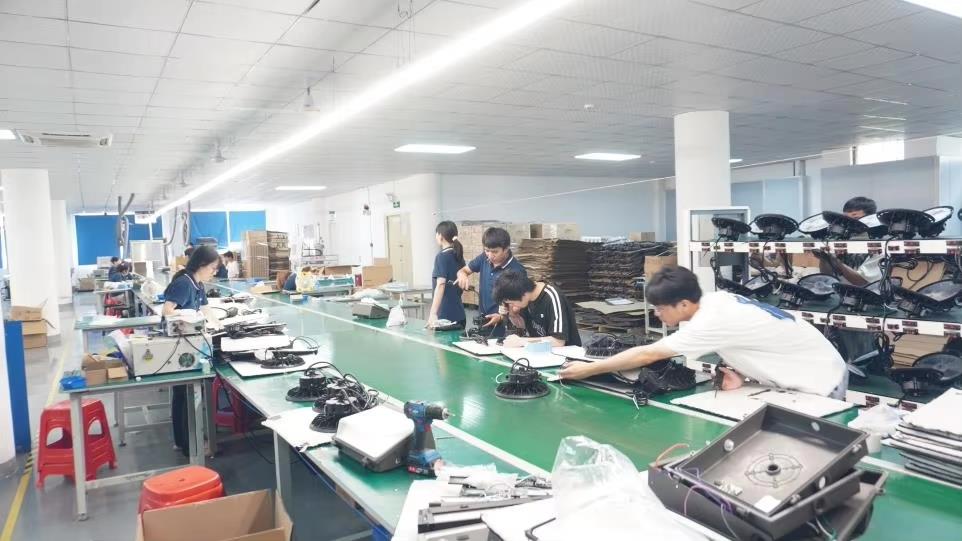
Cleanroom Assembly
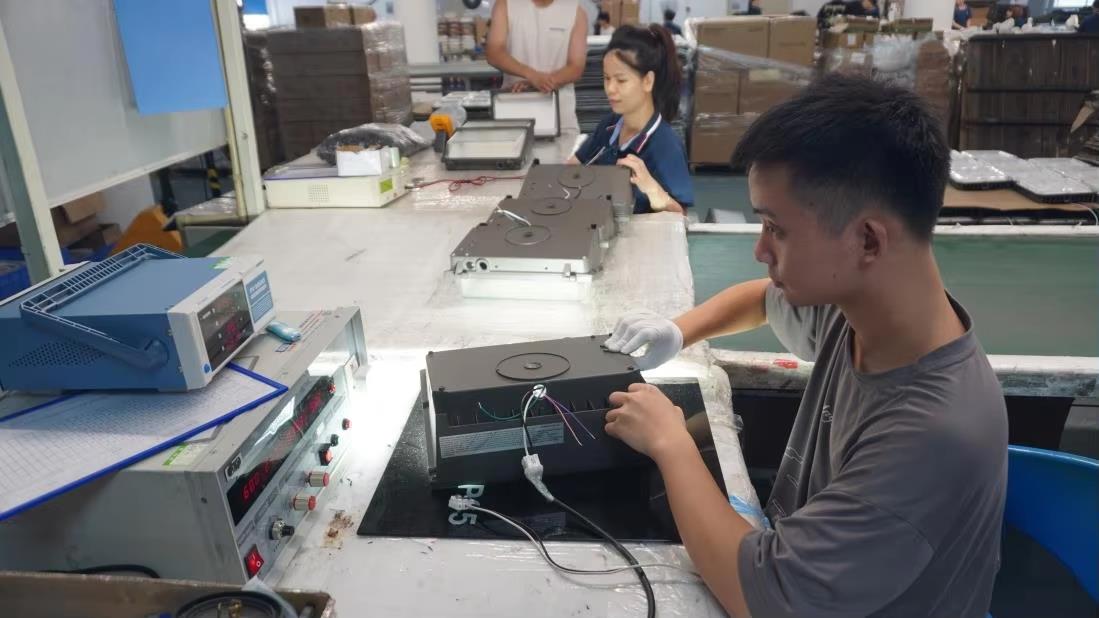
Pre-delivery Lighting Test
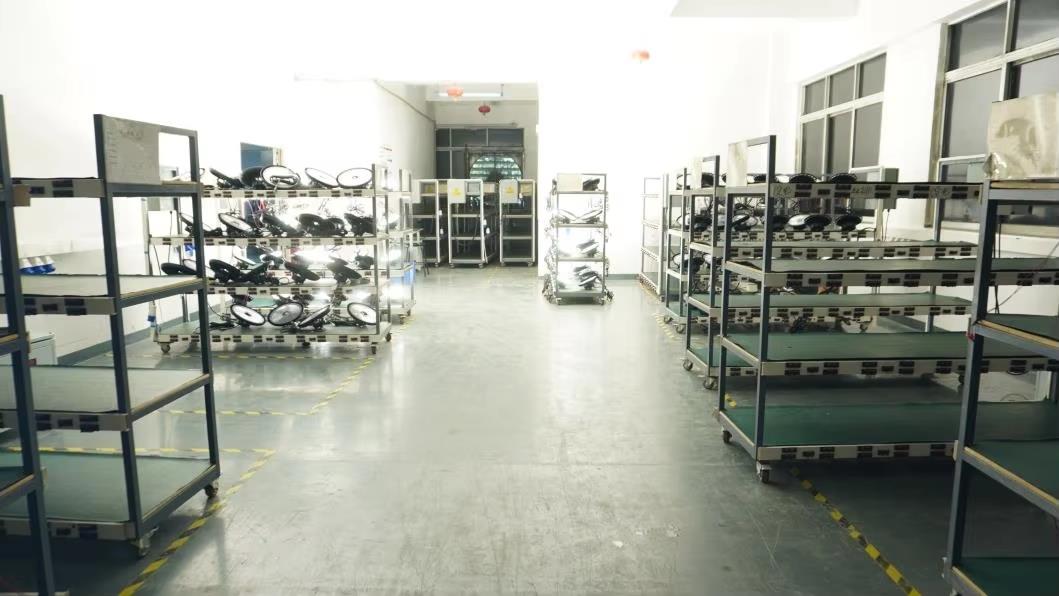
Continuous Thermal Aging
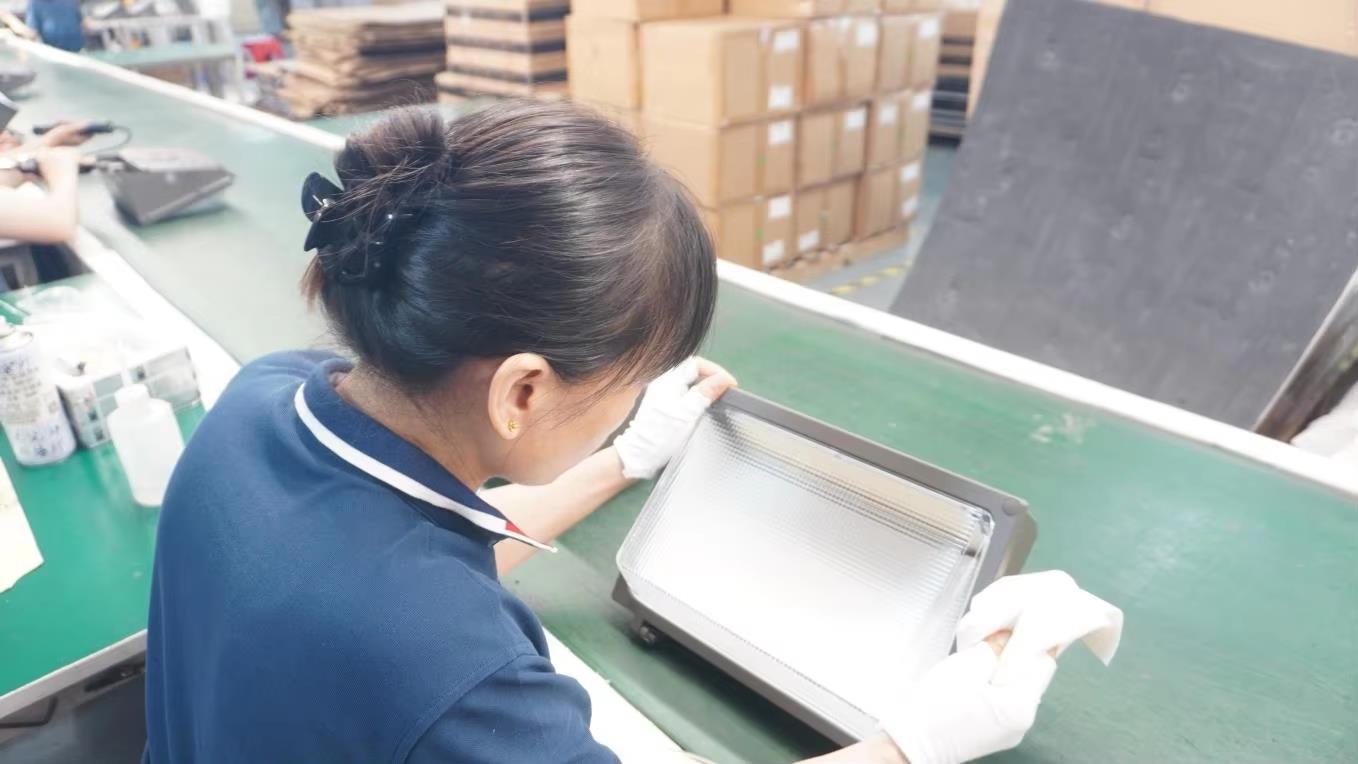
Visual Quality Audit
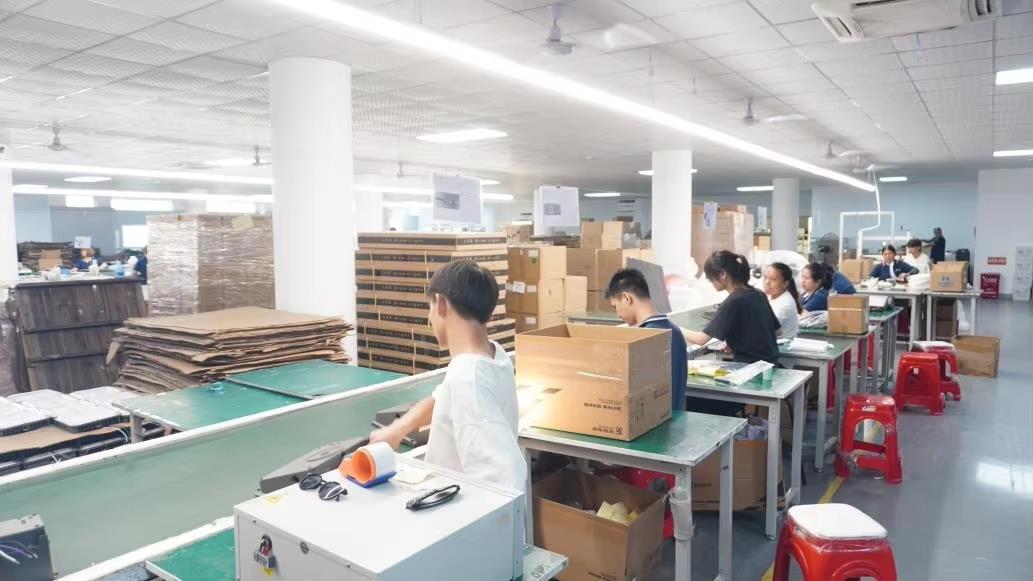
Secure Export Packaging
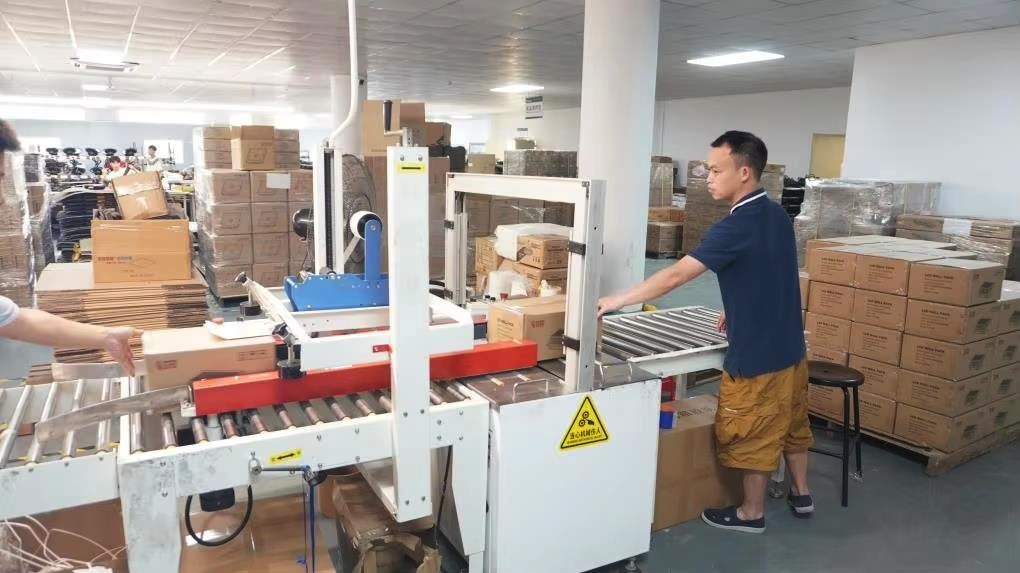
Automated Packing Machine
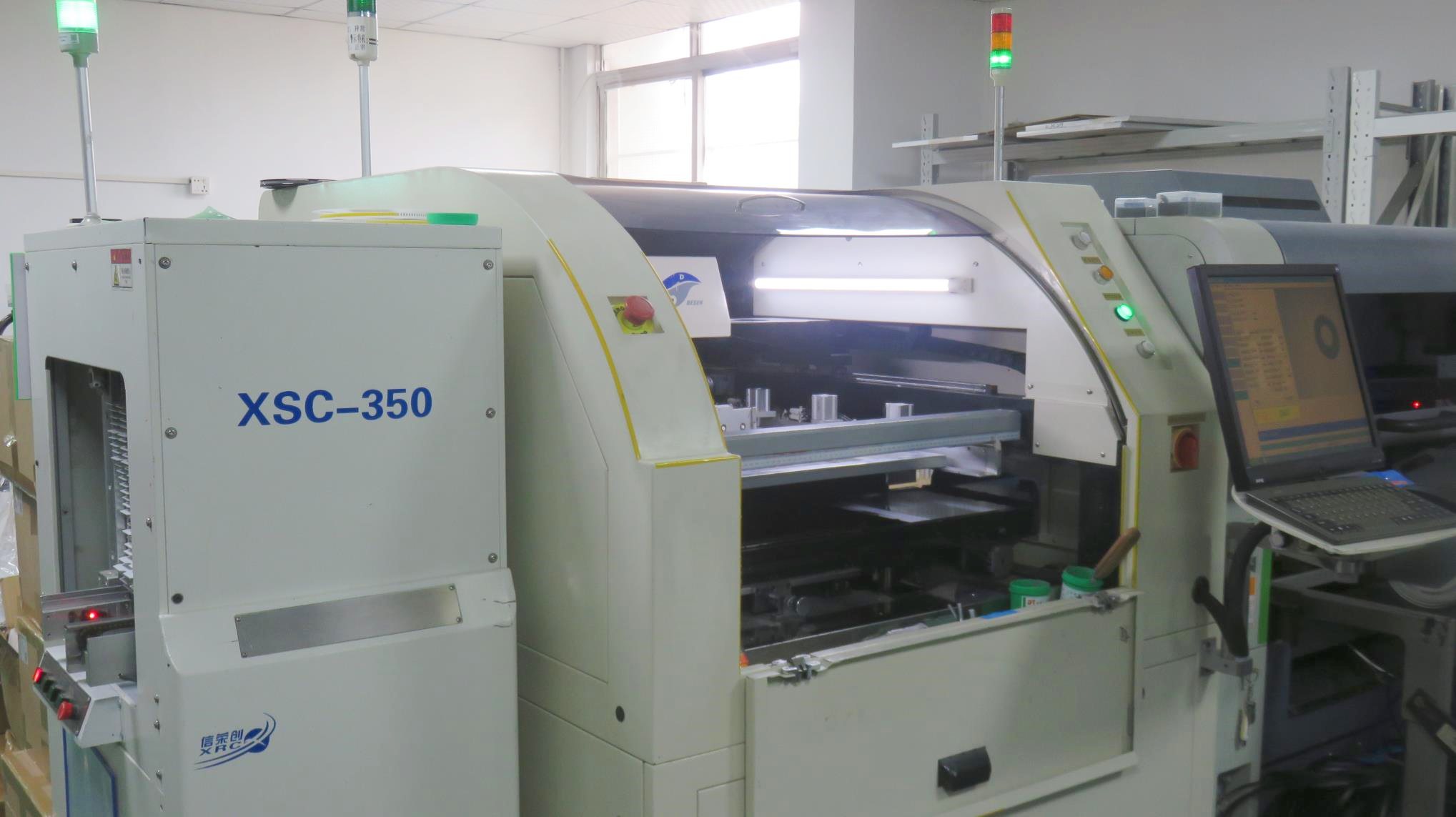
Automated Carton Printing
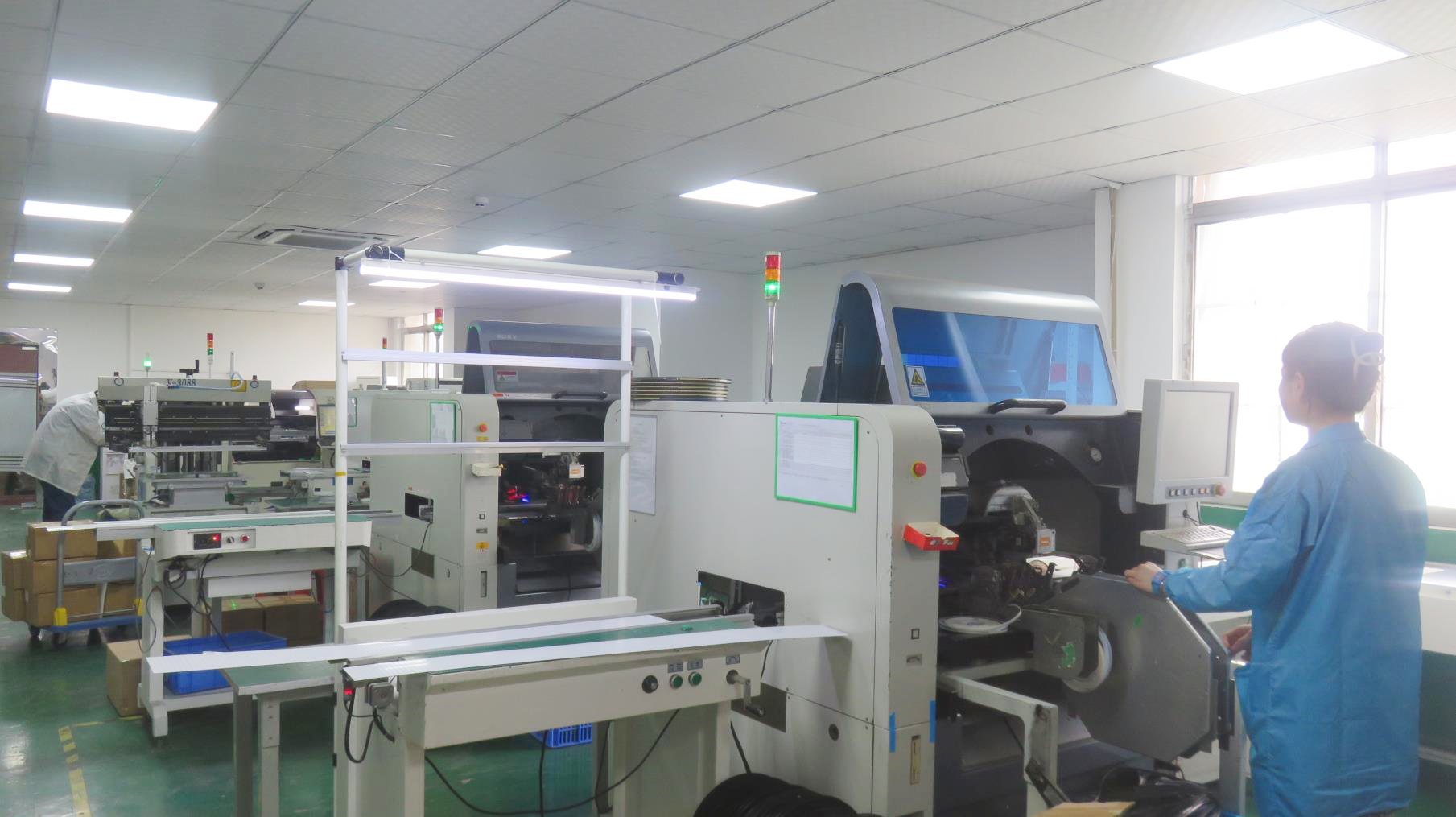
Advanced High-Volume SMT Component Mounting Center
Exploring how targeted accent lighting resolves practical design challenges across different environments.
Utilizing DMX512-controlled dynamic rgbw wall washers allows municipal developers to project changing color narratives. Optical lenses with 15°x60° asymmetric distributions ensure minimal sky glow (light pollution) while focusing the lumens directly on the concrete piers and suspension cables, creating high contrast against the night sky.
For pathways, public parks, and plaza columns, inground luminaires must withstand vehicular loads and severe moisture. Selecting marine-grade 316 stainless steel trim rings alongside IP67/IP68 rating configurations ensures long-term operational viability. Internal adjustable modules allow tilt corrections to illuminate structures with zero glare to pedestrians.
Swimming pools and architectural water fountains present harsh operating conditions. Standard seals can fail over time due to pressure differentials. Modern resin-filled IP68 LED lights eliminate air pockets within the fixture casing entirely, neutralizing water ingress paths even when submerged at depths exceeding 2 meters.
Anticipating the technological and structural trends shaping the landscape of commercial solid-state lighting.
Universal adoption of DALI-2, Matter, and BLE mesh protocols across commercial lines, facilitating seamless pairing of downlights, washers, and high bays to centralized Building Management Systems (BMS).
Integration of multi-channel LED packages featuring adaptive CCT (Correlated Color Temperature) tuning ranges from 2200K to 6500K, supporting dynamic biological rhythms in human-centric architectural schemes.
Implementation of modular design paradigms where light engines, drivers, and optical arrays can be isolated and serviced individually, minimizing electronic waste and ensuring high Cradle-to-Cradle recyclability metrics.
Direct answers to technical queries frequently posed by lighting specifiers, contractors, and importers.
Specialized fixtures for high-exposure environments, including submersibles, gallery spaces, and heavy industrial yards.
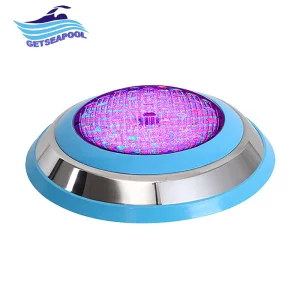
 Dorde Lights