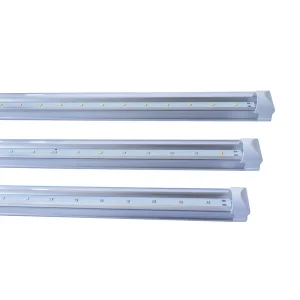
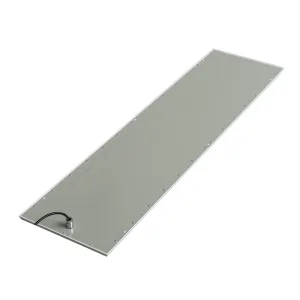
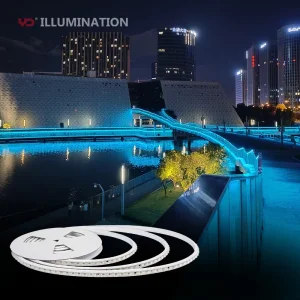
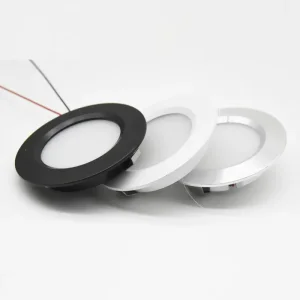
In contemporary architectural engineering and industrial facility layouts, the suspended linear and hanging pendant luminaire has transitioned from a basic functional utility to a primary driver of space configuration, energy management, and human-centric design. Global commercial markets are experiencing a significant shift toward integrated LED systems that merge aesthetic elegance with strict thermal and optical requirements. Modern lighting designers no longer view hanging lights as standalone components, but as part of a connected, smart system that interacts dynamically with natural daylit environments.
According to comprehensive market reports, the demand for hanging and suspended luminaires in Europe, North America, and the Asia-Pacific region is driven by sustainability directives such as the EU Green Deal and Title 24 compliance in California. Industrial projects require high-efficiency models with robust ingress protection (IP65 to IP68) and explosion-proof properties (CB/ATEX certified), while premium office developments seek sleek visual forms with dynamic white-tuning controls and precise glare management (UGR <19). Adapting to these demands requires an agile manufacturing platform capable of balancing performance metrics with aesthetic versatility.
SEO Insight & Information Gain: When sourcing hanging lights, global buyers must prioritize the "Total Cost of Ownership" (TCO), evaluating thermodynamic performance, luminaire efficiency (lm/W), spectral consistency, and driver reliability rather than unit cost alone. Choosing China-based manufacturing partners that control everything from SMT board creation to final IP validation guarantees consistent quality across large-scale projects.
Founded in 2007, Guangdong Dorde Lights Co. Ltd. stands as a professional manufacturer specializing in LED lighting solutions for residential, commercial, and industrial applications. Over nearly two decades of operation in the heart of China’s lighting manufacturing hub, we have established a strong reputation for engineering reliable, energy-efficient, and high-performance lighting systems for a global client base.
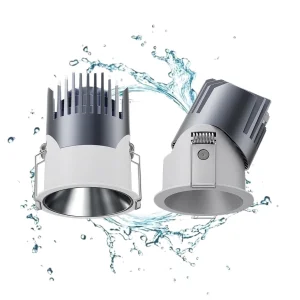
Dorde Lights is dedicated to the research, development, and production of modern LED lighting systems. Our product portfolio spans LED panel lights, suspended architectural linear systems, downlights, landscape lighting, and highly customized industrial fixtures. By combining practical mechanical engineering with modern architectural design, we build luminaires that deliver precise photometric performance while integrating naturally into modern interior designs.
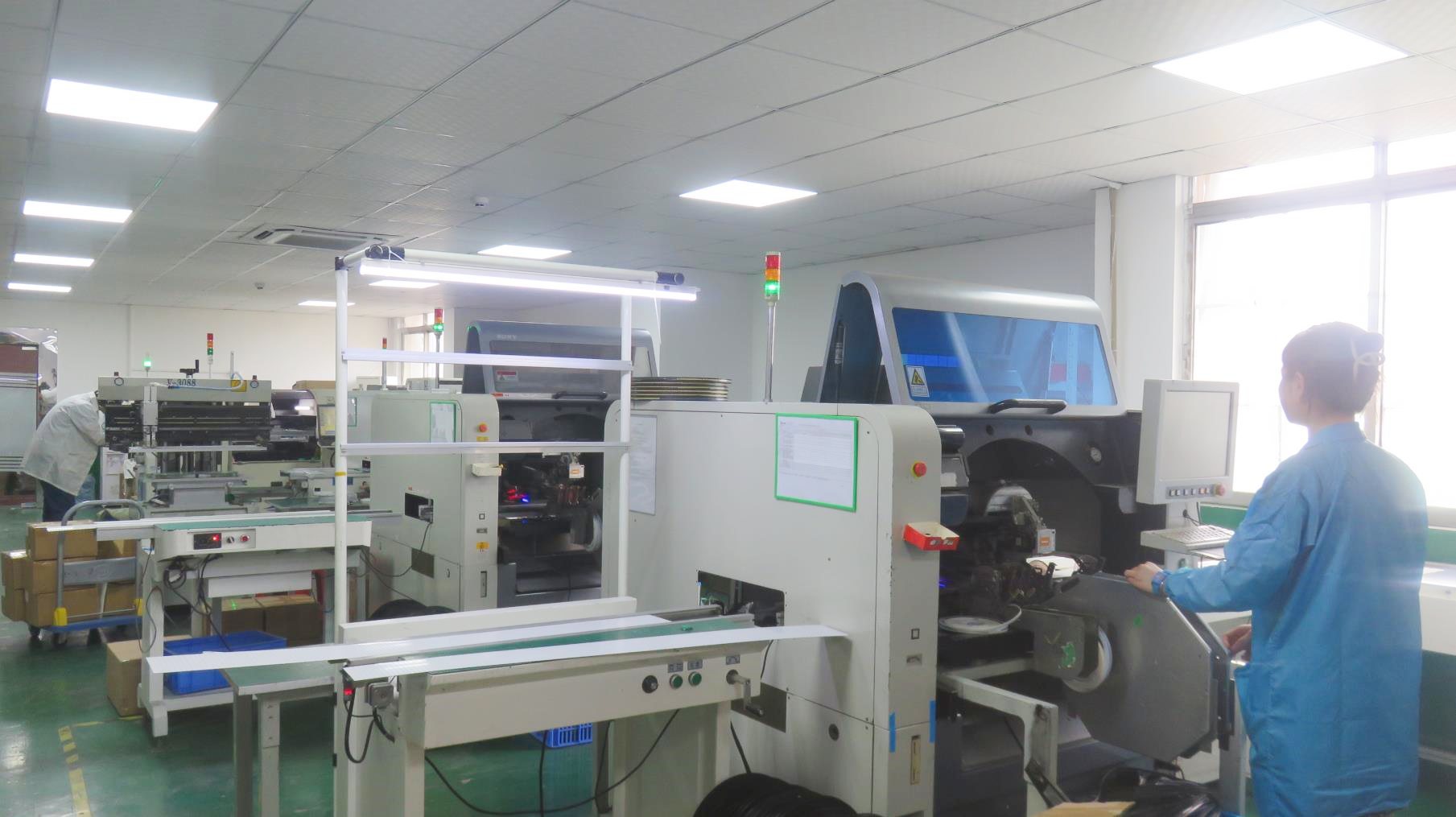
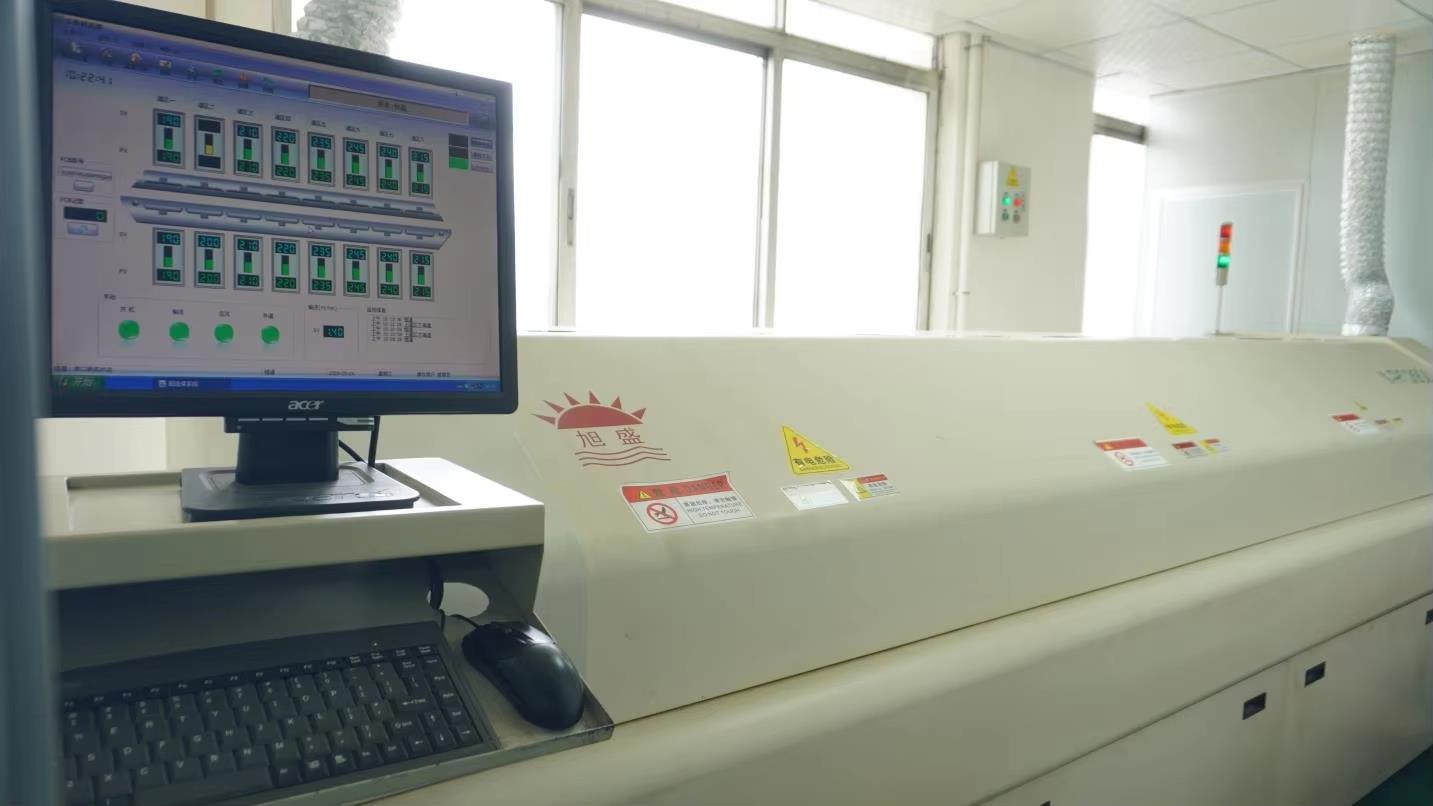
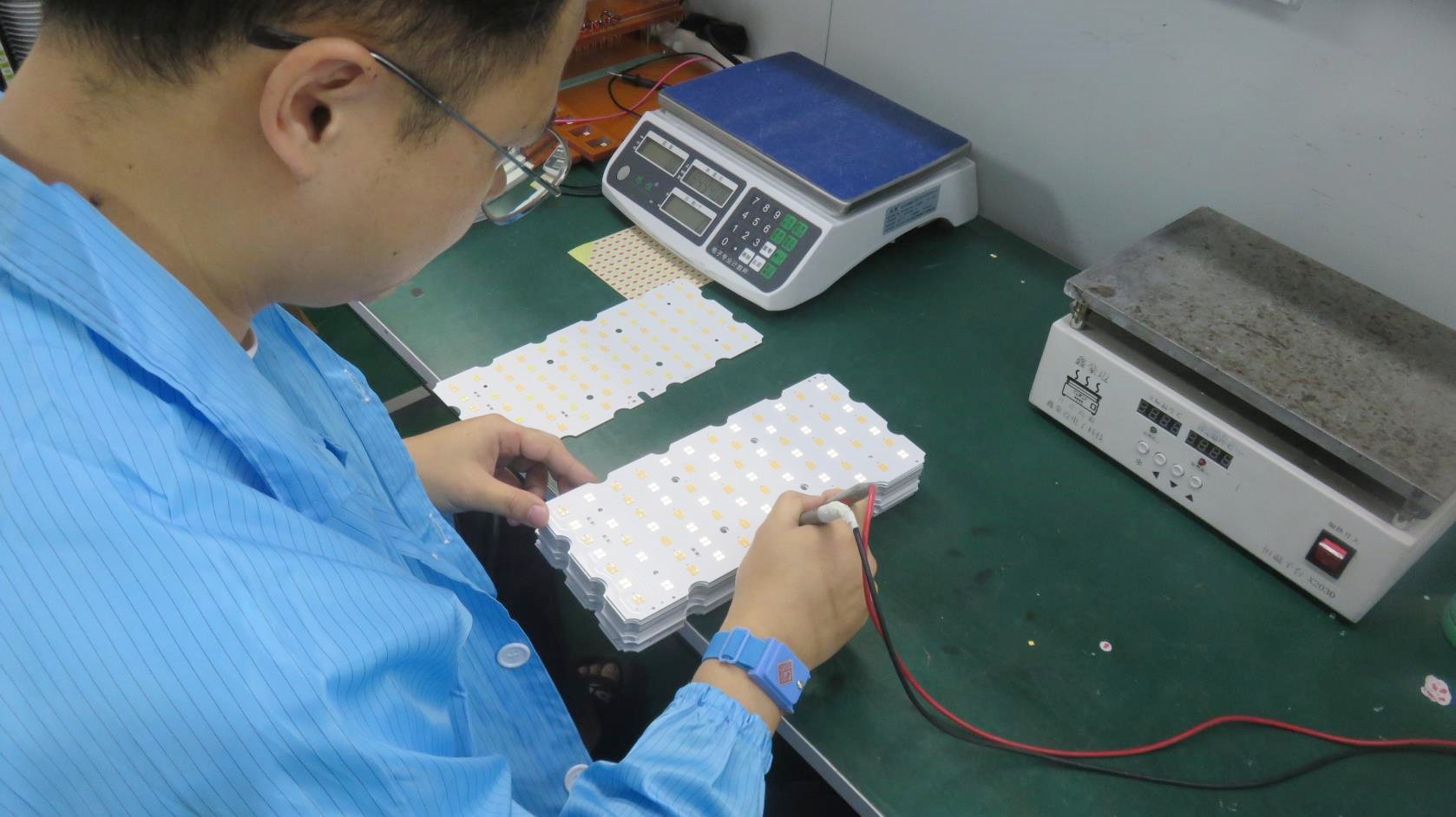
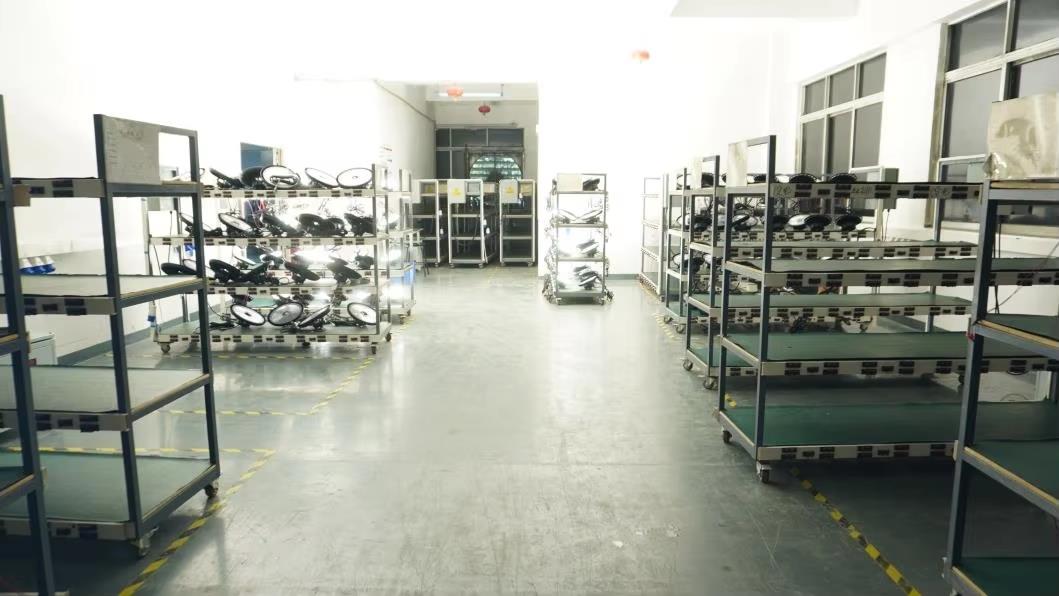
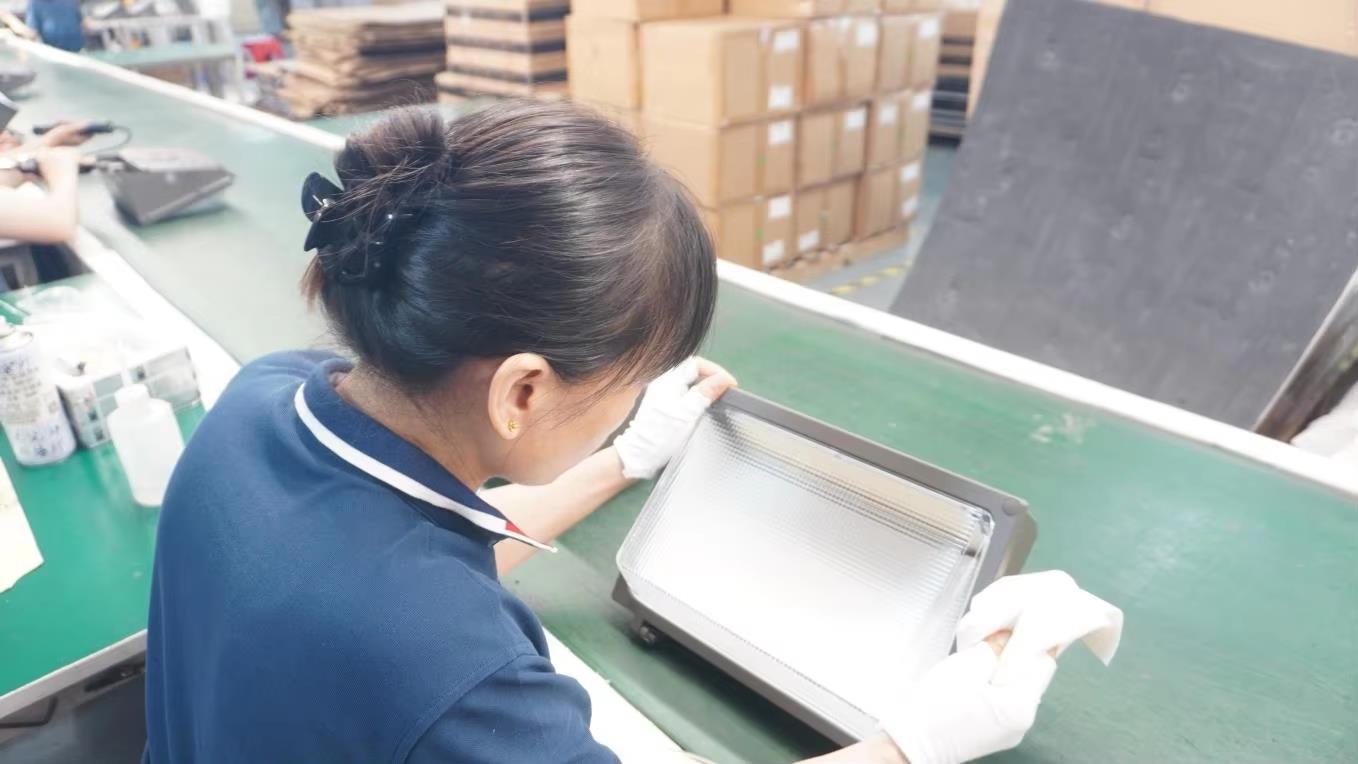
Our operation relies on a vertically integrated production model and stable raw material supply partnerships. This allows us to ensure consistent product quality, competitive pricing structures, and reliable delivery lead times. Our manufacturing process follows strict international quality control benchmarks at every phase—from raw aluminum extrusion inspects to clean-room SMT assemblies and automated aging routines. This thorough manufacturing control ensures long-term operational reliability and decreases field failures to virtually zero.
The industrial dominance of China’s lighting sector is not simply based on labor availability, but on highly developed manufacturing clusters, particularly in the Guangdong province. The geographical proximity of die-cast metal workshops, specialized optical lens manufacturers, driver component designers, and automated packaging plants creates a highly efficient manufacturing ecosystem. At Guangdong Dorde Lights Co. Ltd., we leverage this cluster effect to reduce supply chain friction, fast-track custom engineering projects, and buffer against global market disruptions.
This supply chain integration supports high-speed prototyping and production scalability. For instance, when a global partner requests a customized optical beam angle or a specific housing length for a large-scale commercial development, our engineering team can complete CAD revisions, run thermal simulations, produce custom aluminum extrusions, and initiate high-precision SMT component population in a fraction of the time required by manufacturers outside these clusters. This agility ensures that project milestones are met without sacrificing performance parameters or safety compliance.
Direct integration with premium aluminum mills, high-transmittance optical PMMA suppliers, and reliable semiconductor packaging plants in the Pearl River Delta.
Rapid thermal and optical design modeling, fast 3D-printed prototyping, and custom profile extrusion within extremely tight production schedules.
Long-term strategic agreements with leading constant-current driver brands (e.g., MeanWell, Inventronics, Lifud) ensuring high power factor and low harmonic distortion.
Immediate proximity to Shenzhen, Guangzhou, and Hong Kong shipping hubs, providing fast access to global sea, air, and multimodal logistics channels.
The development of hanging and suspended luminaires is closely tied to advancements in three core technical fields: solid-state light source optimization, smart wireless connectivity, and advanced thermodynamics. As building codes tighten globally, luminaires must produce more lumens per watt while improving spectral distribution quality to match human biological cycles (Human Centric Lighting - HCL) and specific plant cultivation requirements.
Moving beyond basic phosphor-converted white LEDs to dual-channel and multi-channel spectral integration, achieving high color rendering indices (CRI > 95, R9 > 80) and targeted photosynthetic active radiation (PAR) spectra for controlled agricultural lighting.
Implementing ceramic and metal-core PCBs (MCPCBs) paired with high-performance thermal interface materials (TIM). This configuration routes heat away from LED junctions, maintaining lower operating temperatures and ensuring the system exceeds 50,000 hours of use (L90B10).
Integrating wireless communication chips (Casambi, Zigbee, DALI-2) directly into the driver housing. This enables smart harvesting of natural daylight, motion sensing, and customized tuning of color temperature and output levels across different areas of a building.
Transitioning to recyclable, high-durability PMMA and polycarbonate lenses that prevent yellowing under intense UV or ambient heat. These materials allow for precise light distribution, helping projects meet Unified Glare Rating (UGR) targets under 19.
Modern spaces require specialized lighting designs that match their physical layouts and environmental conditions. Our technical team works with partners worldwide to design lighting systems tailored to specific local challenges:
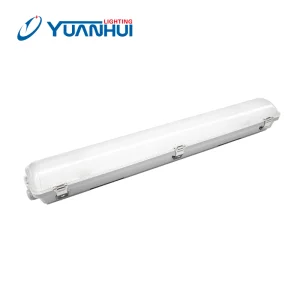
These projects require low glare and consistent light distribution. Suspended linear fixtures with micro-prismatic diffusers project light downward and reflect it off the ceiling, helping to reduce eye strain (UGR < 19) and align with energy-saving building codes.
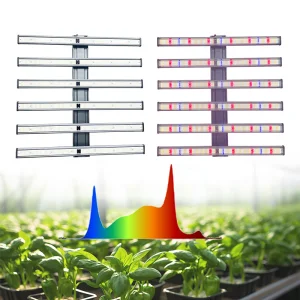
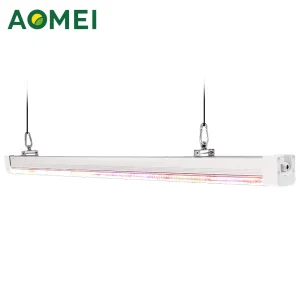
Commercial greenhouse environments feature high humidity and specific light spectrum requirements. Products like our 120cm Hydroponic Grow Light Tube and multi-bar grow lights provide waterproof performance (IP65+) and custom spectra to support crop growth during all seasons.
Power plants, chemical complexes, and manufacturing facilities require robust safety features. Our explosion-proof ceiling lighting systems feature heavy die-cast metal housings and impact-resistant glass, preventing ignition sources from contacting flammable gases or dust.
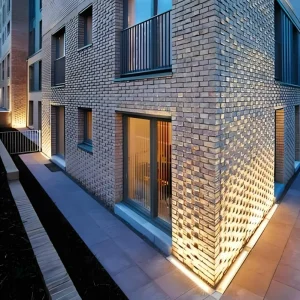
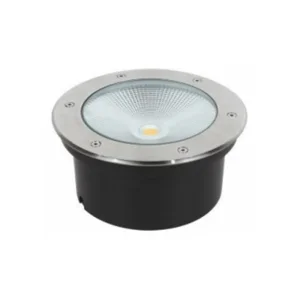
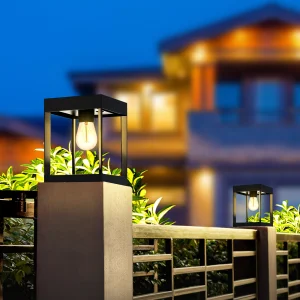
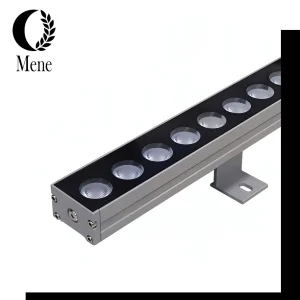
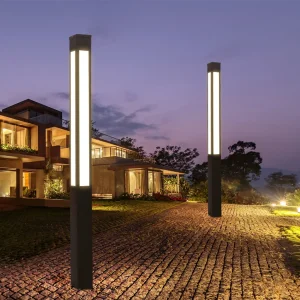
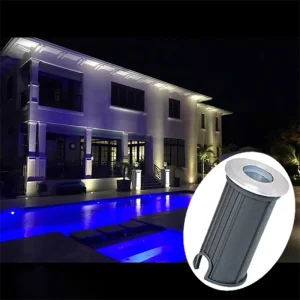
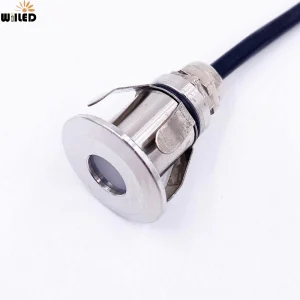
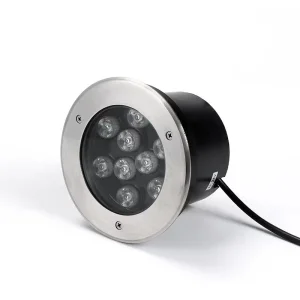
Outdoor landscape lighting must withstand continuous exposure to water, UV radiation, and changing temperatures. Our IP67 and IP68 inground brick lights, outdoor strip lights, and underwater spotlights feature marine-grade stainless steel casings and resin potting for long-term waterproof protection.
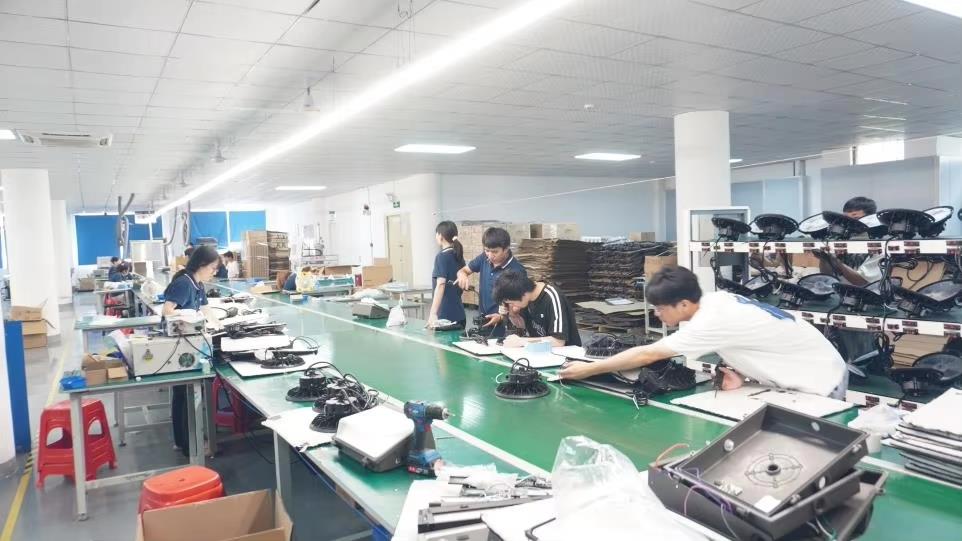
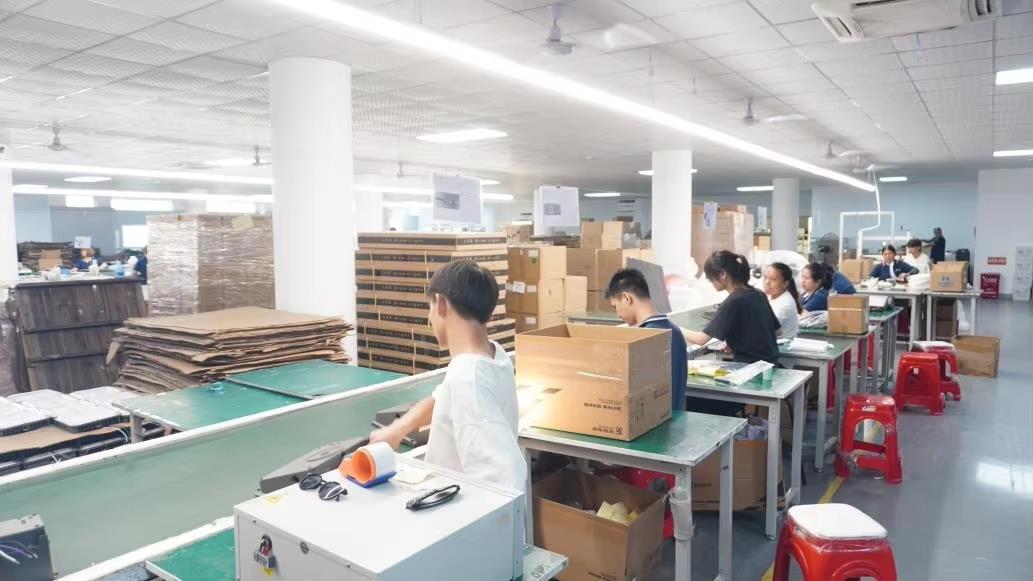
To maintain consistent quality across large-scale manufacturing, Guangdong Dorde Lights Co. Ltd. controls every step of production. By keeping fabrication, assembly, optical validation, and testing under a unified quality management framework, we ensure that every fixture leaving our facility matches our project specifications.
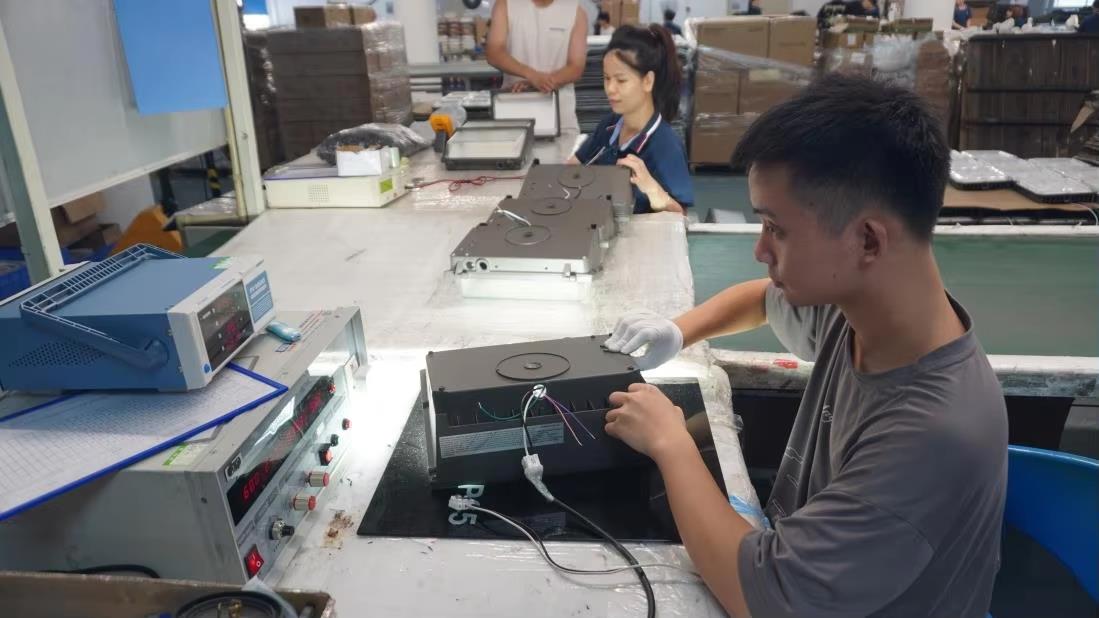
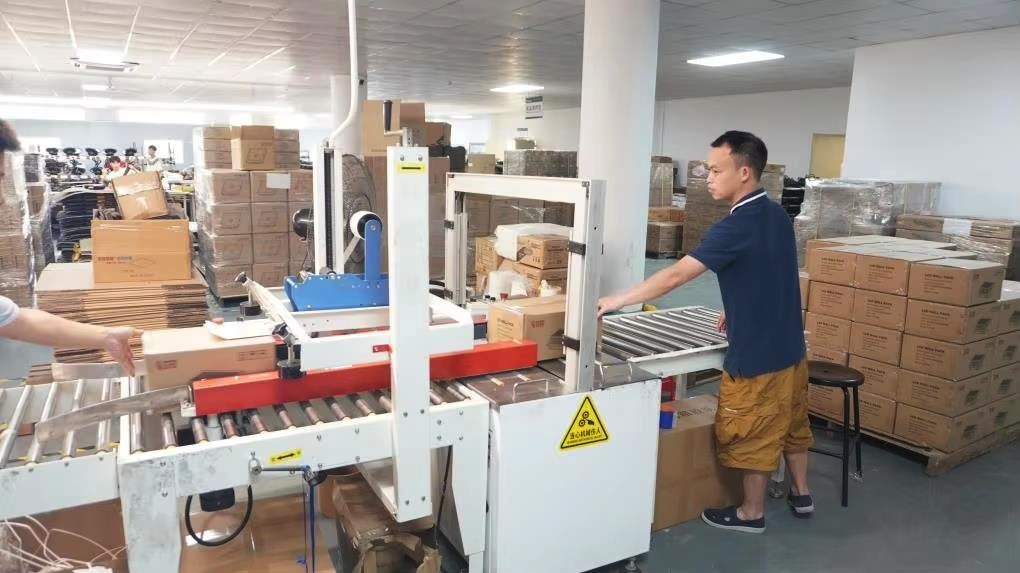
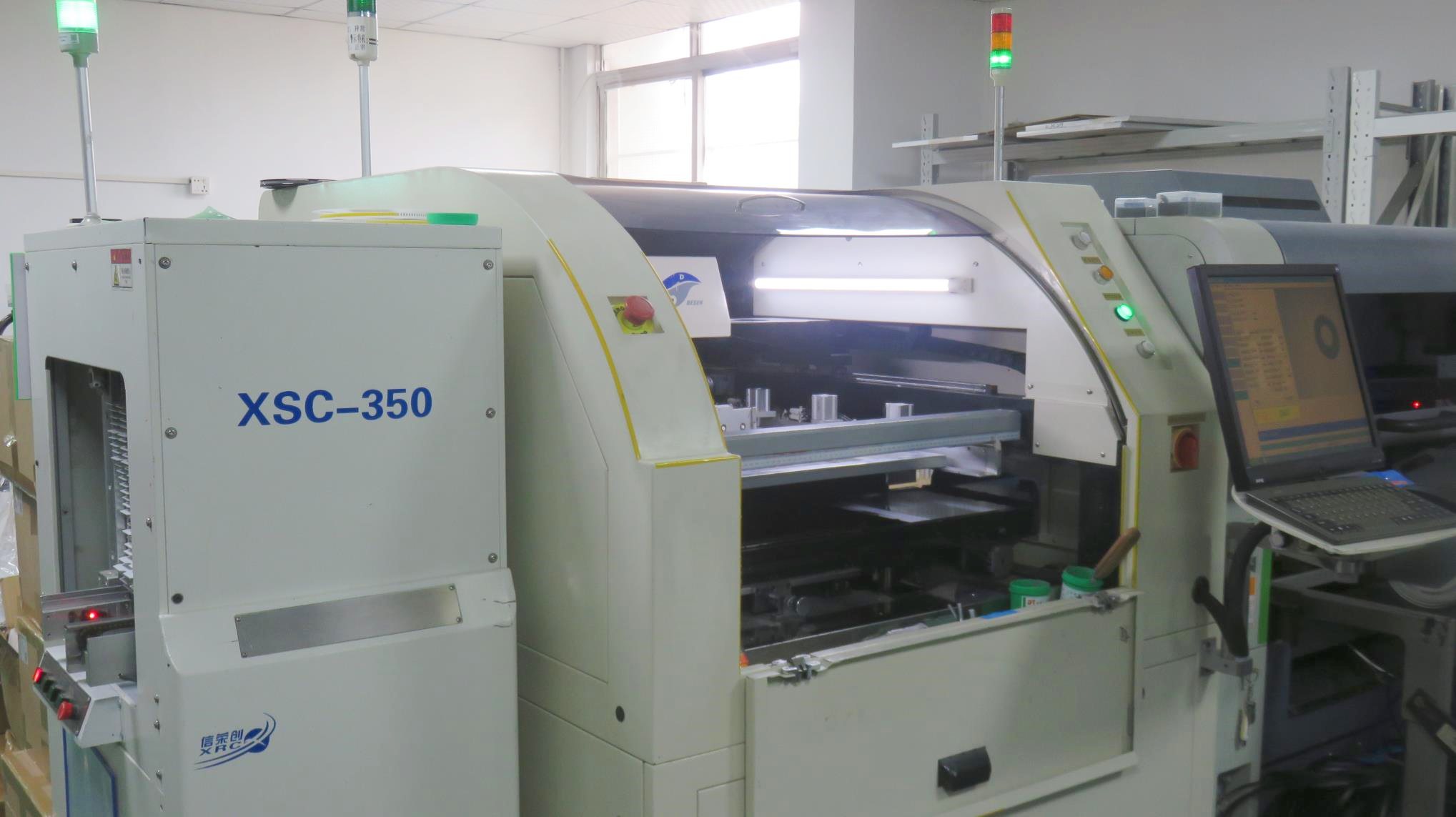
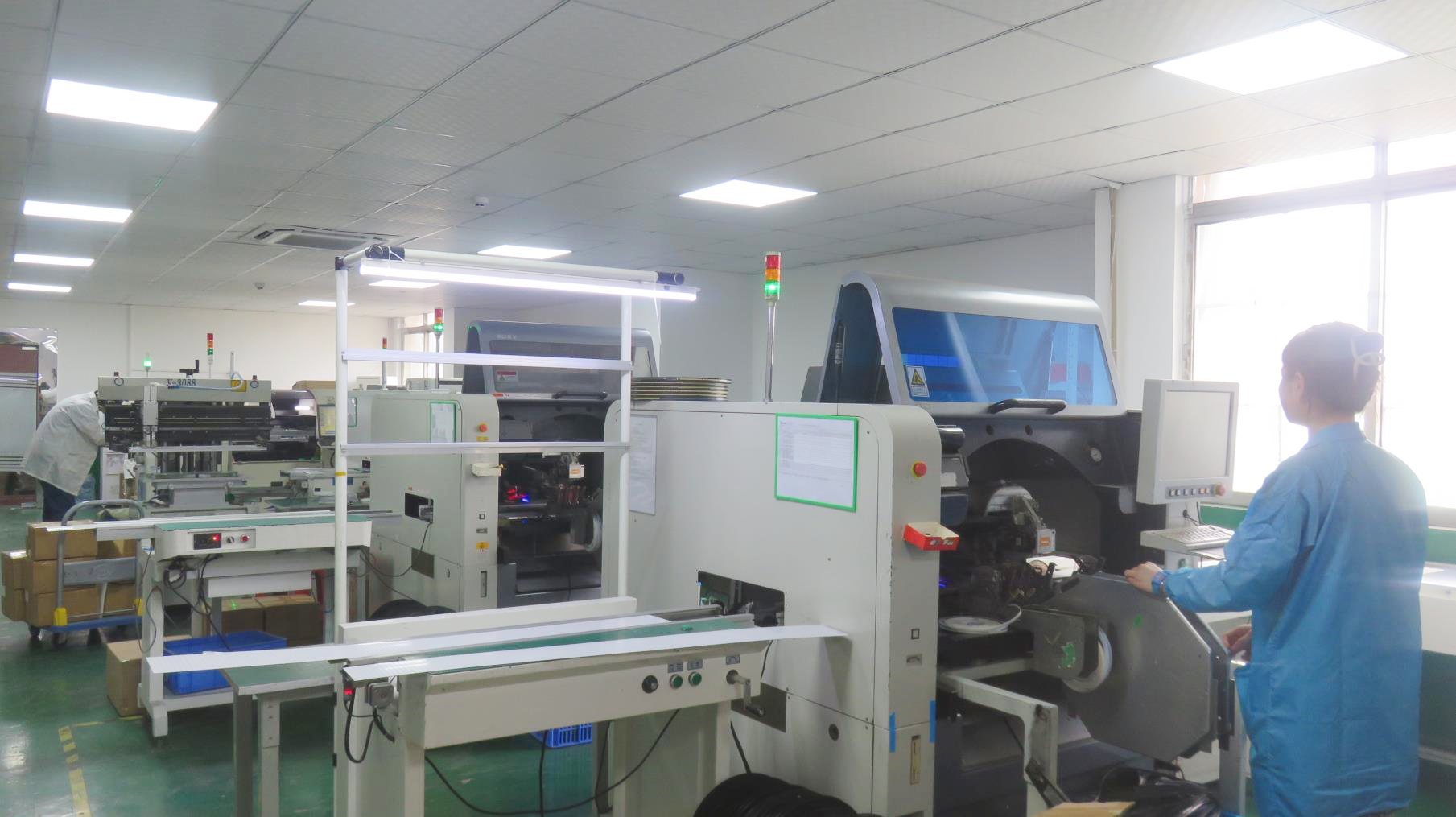
Delivering commercial and industrial lighting systems globally requires navigating complex local regulatory standards. Products must meet electrical safety, electromagnetic compatibility, environmental impact, and building code directives. Guangdong Dorde Lights Co. Ltd. designs products with these requirements in mind, maintaining compliance certifications (including CB, CE, UL, and RoHS) to facilitate smooth importing and installation processes.
To support global partners, we provide comprehensive logistics and engineering assistance. We handle critical documentation, custom clearance processes, and provide flexible delivery terms (DDP, CIF, FOB). Additionally, we offer layout simulations using DIALux software, helping contractors visualize luminaire distributions, verify uniform coverage, and confirm light levels before starting installation.
UGR is an approximate measure of the glare generated by a luminaire inside an office or commercial space, calculated based on the brightness of the light source relative to the background environment. A UGR value below 19 is recommended for office and educational settings to reduce eye strain and support workplace productivity.
LEDs generate heat at their semiconductor junctions. If this heat is not dissipated, it can accelerate lumen depreciation and cause color shifting. By utilizing high-conductivity aluminum housings, thermal interface materials, and efficient PCB layouts, we maintain low junction temperatures to extend the operational lifetime of the light source.
For hazardous areas containing flammable vapors, gases, or dusts, luminaires must carry recognized explosion-proof certifications (such as ATEX, IECEx, or CB). These certifications confirm that the fixture design prevents internal electrical arcs or hot surfaces from igniting the surrounding atmosphere.
Yes. By using drivers compatible with protocols like DALI-2, 0-10V, or wireless meshes (such as Casambi or Zigbee), suspended luminaires can connect with daylight sensors and building management software to enable automated dimming and scheduling.
SDCM (Standard Deviation of Color Matching) measures the variation in color temperature between individual LEDs. A rating below 3 SDCM indicates that color differences are barely noticeable to the human eye, ensuring visual consistency across large office or commercial environments.
 Dorde Lights