Why do municipal street lights stay on during the day? This practical question often points to a control, maintenance, or safety issue rather than wasted electricity alone. A light may remain active because its photocell is dirty, shaded, misaligned, or failing. A remote management system may also issue a temporary override during construction, storm response, or nighttime testing.
James R. Benya, PE, a veteran lighting designer and energy-efficiency consultant, offers a useful principle: “The right light belongs in the right place, at the right time.” That idea matters in 2026, when municipalities increasingly combine LED fixtures, astronomical clocks, photocells, and networked controls. These systems can reduce energy use, but they still depend on accurate commissioning and regular field checks.
Look closely at the scene. One lamp glowing beside a dark row may suggest a local sensor fault. An entire district illuminated at noon may indicate scheduled maintenance, a software setting, or a centralized override. Low morning clouds can confuse basic sensors, although they should not normally keep lights operating for hours.
The answer is not always obvious.
This introduction examines why do municipal street lights stay on during the day, using practical maintenance clues and modern control technology. It also considers public safety, asset monitoring, and energy accountability. Some assumptions deserve reconsideration. Daytime operation is not automatically careless, but repeated daytime lighting should prompt measurement, documentation, and professional inspection.
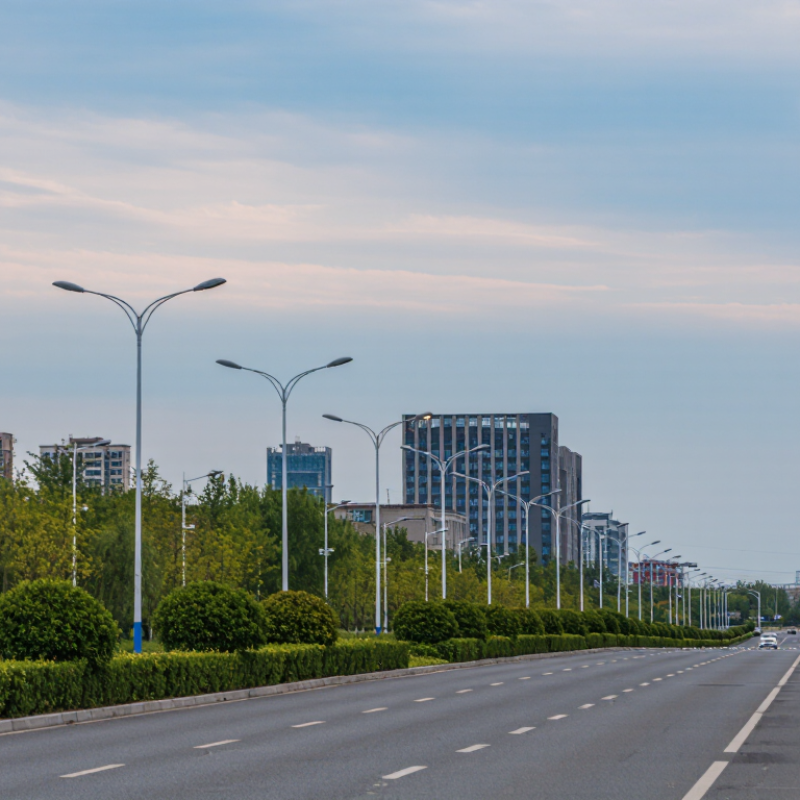
Municipal street lights are public lighting assets installed along roads, sidewalks, intersections, bridges, and civic spaces. Each unit usually includes a luminaire, control gear, wiring, and a photocell or network controller. These components decide when lighting starts and stops.
Daylight operation is not automatically a defect. Technicians may switch lights on during inspections, repairs, commissioning, or safety testing. A failed photocell can also imitate nighttime conditions. Scheduled controls may remain active after maintenance, while network communication errors can prevent a remote shutdown. Tunnels, underpasses, and areas with unusually low visibility may require daytime lighting as well.
The U.S. Department of Energy reported that solid-state lighting could reduce annual U.S. lighting energy use by roughly 6.2 quadrillion British thermal units by 2035. That potential depends on correct controls, not LEDs alone. The International Energy Agency has also estimated that lighting represents about 15% of global electricity consumption, making unnecessary operation financially important. In field inspections, a single glowing fixture is weak evidence. Crews should check the sensor lens, control schedule, circuit status, and local visibility conditions. Sometimes the explanation is simple. Sometimes the control record is missing, which deserves review.
2026 Top Municipal Street Lights Why Stay On During the Day?
Daylight street lights are not automatically a system failure. Common reasons include defective photocells, incorrect time schedules, relay problems, and planned maintenance. A light sensor covered by dust may interpret daylight as darkness. Cloudy weather can also trigger older controls. Sometimes, testing is intentional. Crews may energize a circuit to locate failed fixtures or verify recent repairs. Smart lighting networks can keep a circuit active while individual lamps operate at reduced output.
The U.S. Department of Energy reports that many LED street-lighting upgrades can reduce lighting energy use by 50% or more when controls operate correctly. The International Energy Agency’s Energy Efficiency 2024 report estimates that lighting consumes about 15% of global electricity. These figures explain why daytime operation deserves prompt inspection, even when the lights appear harmless. A single fixture wastes little energy. Hundreds do not.
Field checks should record the pole number, weather, control type, and exact operating time. Technicians can compare sensor readings with the programmed schedule, then inspect wiring, relays, and network commands. A faulty photocell may be obvious. A software setting may not be. Maintenance records are often incomplete, which makes diagnosis slower than expected. That weakness deserves attention. Municipal teams should review recurring daytime faults, not only replace lamps. A short daytime observation can reveal patterns that nighttime inspections miss.
| Common Reason | How the Condition Keeps the Light On | Typical Daylight Pattern | What to Check | Recommended Corrective Action | Priority |
|---|---|---|---|---|---|
| Failed or dirty photocell | A photocell measures ambient light and switches the fixture on at dusk and off at dawn. Dirt, water intrusion, aging, or electrical failure can make it report darkness during the day. | The light may remain on continuously, or it may switch on and off at irregular times. | Inspect the photocell for dirt, cracks, moisture, loose connections, or physical obstruction. Test the control during daylight. | Clean the sensor if appropriate, then replace a defective or water-damaged photocell with a compatible unit. | Medium |
| Obstructed light sensor | Vegetation, a cover, dirt, paint, or nearby construction material can shade the sensor and cause it to detect nighttime conditions. | The fixture often stays on during the day while the obstruction remains in place. | Check whether trees, temporary coverings, signage, or other objects block the sensor’s view of the sky. | Remove the obstruction or arrange safe vegetation trimming. Do not alter public equipment without authorization. | Low |
| Timer or astronomical-clock setting | A time-based controller may operate the lights according to a programmed schedule rather than real-time light levels. Incorrect clock settings or seasonal programming can extend operating hours. | Several lights in the same control group may turn on or off at the same incorrect time. | Review the controller’s time, date, time zone, daylight-saving setting, latitude and longitude, and programmed schedule. | Correct the schedule and verify the controller after the next sunrise and sunset cycle. | Medium |
| Smart-control communication or configuration issue | A networked lighting controller may receive an override, lose communication, use an incorrect profile, or fail to apply an automatic daylight shutoff command. | A single fixture, a group, or an entire managed area may remain on during daylight. | Check alarms, last communication time, override status, control-group assignment, and daylight schedule in the management system. | Clear unauthorized overrides, restore the correct schedule, and repair communication or controller faults. | Medium |
| Manual override for maintenance or testing | Technicians may intentionally force lights on to inspect wiring, measure illumination, test controls, or confirm repairs. | Lights usually remain on for a limited period and may be concentrated in a work zone. | Look for active work orders, maintenance vehicles, temporary controls, warning signs, or recent electrical work. | Allow the authorized test to finish, then confirm that the system has returned to automatic operation. | Low |
| Electrical relay or contactor stuck closed | A failed relay, contactor, or switching component can leave power connected to the lighting circuit even when the control signal requests an off state. | Multiple fixtures on the same circuit may stay on continuously, while other circuits operate normally. | Compare affected fixtures by circuit or cabinet. Qualified personnel should inspect switching components and control voltage. | Have a licensed electrician replace the failed switching component and test the circuit under normal operating conditions. | High |
| Wiring fault or incorrect bypass | A wiring error, shorted control conductor, or bypass around the control device can provide continuous power to the light. | The light may remain on after a repair, pole replacement, cabinet modification, or emergency electrical work. | Review recent work records and have qualified personnel compare field wiring with the approved electrical diagram. | Correct the wiring and remove unauthorized bypasses. Electrical testing should be performed by qualified personnel. | High |
| Low daylight caused by severe weather | Some light-sensitive controls respond to measured illumination rather than the clock. Dense storm clouds, heavy rain, fog, smoke, or dust can reduce light below the switching threshold. | Lights may turn on temporarily during unusually dark daytime conditions and switch off when daylight improves. | Compare the event with local weather conditions and observe whether the lights turn off after the sky brightens. | No repair may be necessary if the behavior is temporary and the control returns to normal operation. | Low |
| Emergency, security, or public-safety operation | Municipal operators may keep selected lights on during incidents, power restoration, road work, severe weather, or security operations. | The affected area may correspond to an incident location, detour, work zone, or high-priority public facility. | Check official notices, work orders, traffic-control plans, and the municipal operations center’s status information. | Keep the lighting active until the authorized safety need ends, then remove the temporary operating instruction. | Low |
| Fixture or driver control failure | An LED driver, internal control module, or fixture-level sensor can fail in a state that keeps the lamp energized or prevents normal dimming and shutoff. | Usually affects one fixture or a small number of fixtures rather than a whole lighting circuit. | Compare the affected fixture with nearby units and inspect fault indicators or maintenance records. | Replace the failed driver, control module, or fixture according to the approved maintenance procedure. | Medium |
| Power restoration after an outage | After power returns, a controller may restart in a default state, retain a temporary override, or require time to resynchronize with a central system. | Lights may remain on after an outage and return to normal after a reset or control-system update. | Check outage and restoration records, controller restart logs, and whether the equipment has synchronized its clock. | Reset or resynchronize the controller when authorized, then verify automatic day-night operation. | Medium |
Safety note: Daytime operation is not automatically a fault. Before reporting a problem, observe whether the lights are part of authorized testing, emergency response, construction, or severe-weather operation. Do not open electrical cabinets or work on street-light wiring unless you are properly authorized and qualified.
Municipal street lights may operate during daylight for testing, maintenance, or safety checks. A technician can inspect a pole, replace a driver, and confirm the light reaches the roadway. Daytime operation also helps operators identify failed circuits before evening traffic begins. It looks wasteful, but a short test can prevent a darker, riskier road later.
Photocells measure surrounding brightness and switch lights on when conditions become dim. Timers follow programmed sunrise and sunset schedules. Smart controls combine both methods with calendars, motion data, and remote status reports. For example, a controller may reduce output after midnight, then restore full brightness near a busy intersection. Maintenance teams can review fault alerts instead of checking every cabinet manually.
No control system is flawless. A sensor under a tree may read darkness at noon. A timer can drift after a power interruption. Weather, construction, and seasonal changes also affect lighting decisions. Reliable programs therefore need calibrated sensors, accurate schedules, field inspections, and clear maintenance records. Operators should compare remote data with actual conditions on the street. That practical check is easy to miss.
2026 Top Municipal Street Lights Why Stay On During the Day?
Daytime lighting usually begins with a failed photocell, not a faulty lamp. Inspect the sensor for dust, water, cracked lenses, or shading from new trees. A clean sensor can still lie. Test it with a calibrated light meter, then compare the reading with the control cabinet’s switching threshold. Record the time, weather, and circuit condition.
If the sensor works, check the astronomical clock, dimming schedule, relay contacts, and remote-control commands. A loose neutral or damaged control wire can hold an entire feeder online. The U.S. Department of Energy’s Energy Savings Forecast of Solid-State Lighting Applications reported that wider LED adoption could reduce national lighting electricity use by about 44% by 2035. That potential disappears when controls fail. A 2023 report from the Municipal Solid-State Street Lighting Consortium also emphasizes commissioning, documentation, and fault verification in connected systems. Field teams sometimes replace lamps too quickly. I have seen a healthy fixture blamed for a cabinet problem.
Tips: Photograph the cabinet before changing wires. Measure voltage at the sensor, relay, and fixture. Check whether one light or the whole circuit stays on. Review recent firmware or schedule changes. Keep a fault log with exact timestamps. If the issue remains uncertain, restore the last verified setting and monitor the circuit overnight. A rushed reset may hide the real defect.
Why Do Municipal Street Lights Stay On During the Day?
Daytime lighting often signals a control or maintenance problem. A failed photocell may read darkness under dust, water, or a damaged cover. Astronomical timers can also drift after incorrect programming or power interruptions. During field inspections, technicians often find lights operating because of manual overrides. These small faults waste electricity and shorten lamp and driver life. They may also hide wider wiring or control-panel issues.
Improving efficiency starts with accurate controls and regular testing. Cities can combine photocells with astronomical schedules and remote monitoring. The system should record unusual daytime operation, voltage changes, and repeated outages. LED fixtures reduce energy use, but they still need clean lenses and correct aiming. Poorly aimed light can create glare near homes, crossings, and driver sightlines. Safety must guide every adjustment, especially around schools, intersections, and pedestrian routes. Maintenance crews should use inspection logs, replacement dates, and measured illumination levels. Guesswork is cheaper at first, but it often creates repeat visits.
Tips: Inspect sensors during daylight and after rain. Check timer settings twice each year. Clean lenses before judging fixture performance. Keep a record of every override. Test one street segment before expanding a new control plan. Even a careful program can miss local conditions. A shaded sensor, nearby construction, or seasonal foliage may change results. Review the data, then adjust.
A dirty photocell may mistake bright daylight for darkness. Incorrect schedules, relay faults, or maintenance can also cause daytime operation. It is not automatically a system failure.
Yes. Older sensors may react to heavy clouds, rain, or sudden shade. A sensor beneath a tree can read noon as nighttime. That seems simple, but it can repeat.
Sometimes. Crews may energize a circuit to test repairs, locate failed fixtures, or check roadway coverage. A short test can prevent a dark road later.
Photocells measure surrounding brightness and switch lights when conditions become dim. Timers follow programmed sunrise and sunset schedules. A power interruption can make a timer drift.
Smart systems combine sensors, calendars, motion information, and remote status reports. They may keep a circuit active while individual lamps use reduced output. Remote data still needs street-level confirmation.
Record the pole number, weather, control type, and exact operating time. Compare sensor readings with the programmed schedule. Then inspect wiring, relays, and network commands.
One fixture uses little energy, but hundreds can waste substantial electricity. Efficient lighting controls may reduce energy use by half or more. The exact savings depend on proper operation.
Not always. The problem may involve a photocell, timer, relay, wiring, or software setting. Replacing the lamp alone can leave the real fault untouched. That is an easy mistake.
Maintenance records may be incomplete, and remote readings can differ from street conditions. Short daytime observations often reveal patterns missed at night. Teams should review repeated faults, not just replace parts.
Municipal street lights are essential public infrastructure designed to improve visibility, traffic safety, and nighttime security. However, residents may sometimes ask, “why do municipal street lights stay on during the day?” Daytime operation can result from scheduled testing, emergency response, construction activity, or lighting systems that use timers, photocells, motion sensors, or centralized smart controls. Temporary activation may also help maintenance teams inspect lamps, wiring, poles, and control equipment.
When lights remain on unexpectedly, technicians can diagnose the issue by checking sensor alignment, dirt or damage on photocells, timer settings, communication errors, power fluctuations, and faulty control components. Regular inspections and accurate scheduling can reduce unnecessary energy use while preserving safety. Municipalities can further improve efficiency by using adaptive dimming, remote monitoring, energy-efficient fixtures, and preventive maintenance programs. A balanced lighting strategy ensures reliable public illumination, minimizes operating costs, and allows problems to be identified before they affect larger areas.

Dorde Lights