Why Are My Smart Downlights Disconnecting from WiFi Issues?

Time:2026-08-31 Author:Oliver
0%

In today's smart homes, many users face the issue of disrupted connectivity. The question, "why are my smart downlights disconnecting from Wi-Fi?" is common among homeowners. According to Dr. Alex Martinez, an expert in smart home technology, "Wi-Fi signal strength plays a crucial role in maintaining device connections."

Weak signals can lead to frequent disconnections. This can be frustrating, especially when relying on these lights for convenience and ambiance. Factors like distance from the router, obstructions, and interference from other devices all impact connectivity.

Some homeowners overlook these aspects, believing their smart downlights should work flawlessly. However, it’s essential to acknowledge that technology often requires careful setup and maintenance. Identifying potential pitfalls can help users enjoy a seamless smart lighting experience. To enhance reliability, users should evaluate their Wi-Fi setup and consider professional help if needed.
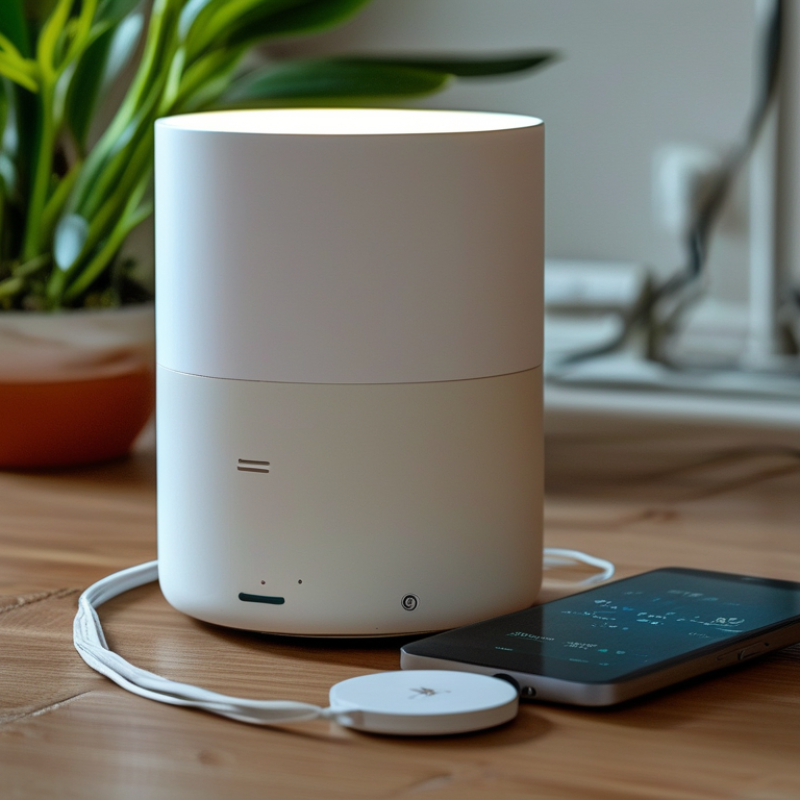
Why Are My Smart Downlights Disconnecting from WiFi Issues?

Common Causes of Smart Downlights Disconnecting from WiFi

Smart downlights are revolutionizing home lighting, but their reliance on WiFi can lead to frustrating disconnections. One common issue arises from the router’s distance. If the downlights are too far from the router, the signal weakens. Walls and furniture further obstruct the signal, making it difficult for devices to maintain a steady connection.

Another factor is network congestion. Many households have multiple devices connected simultaneously, competing for bandwidth. This overcrowding can disrupt communication, causing downlights to disconnect. Software updates can also play a role. If the downlights or the router haven't been updated, compatibility issues can arise.

Interference from other electronic devices, such as microwaves, can disrupt WiFi signals too. Even minor changes to the environment can affect connectivity. It's essential to regularly check and optimize the WiFi setup. Consider the placement of the router or invest in a WiFi extender. Recognizing these problems helps users troubleshoot and create a more reliable lighting experience.

Impact of WiFi Signal Strength on Smart Downlight Connectivity

WiFi signal strength is crucial for the seamless operation of smart downlights. These lights rely on a stable connection to function properly. If the WiFi signal is weak, the downlights may frequently disconnect, causing annoyance. The physical layout of your home plays a significant role. Thick walls, metal objects, and distance from the router can all degrade the signal.

Testing your WiFi signal strength in various locations is essential. You might find some areas in your home have better connectivity than others. Using a WiFi analyzer app can help in identifying these spots. Consider repositioning the router to improve coverage. You might also want to look at WiFi extenders. They can enhance the signal strength in dead zones, helping your smart downlights stay connected.

Reflection is key when troubleshooting. Take note of the times when the disconnections happen. This could point to interference from other devices. Identify any other connected devices that might affect the signal. Regular updates to your router and downlights can help maintain performance. A little proactive approach can result in a more reliable smart lighting system.

Interference Factors Affecting Smart Downlight WiFi Connection

Smart downlights offer convenience, but they can face connectivity issues. Interference factors are often the root cause of WiFi disconnections. Common culprits include other electronic devices, walls, and distance from routers. Nearby microwaves, cordless phones, and Bluetooth speakers can disrupt signals. Each electronic device emits waves that can clash with WiFi frequencies.

To improve your smart downlight's connection, consider the distance to your router. Walls and large furniture can weaken signals. Find a location that minimizes obstructions between your router and downlights. If you're experiencing frequent disconnections, try moving the router to a more central position.

Additionally, it helps to limit the number of devices connected to the same network. Too many devices can strain bandwidth. You might prioritize connection for essential smart devices. In cases of persistent connectivity issues, a WiFi extender can enhance signal reach. This adjustment can provide a more stable connection for your smart downlights.

Why Are My Smart Downlights Disconnecting from WiFi Issues? - Interference Factors Affecting Smart Downlight WiFi Connection

Issue Type Description Impact Level Possible Solutions
WiFi Interference Other electronic devices emitting signals can disrupt WiFi. High Try relocating the router or using a WiFi booster.
Signal Range Distance from the router affects connection stability. Medium Move the downlight closer to the router.
Network Congestion Too many devices connected to the same network can slow down performance. High Reduce the number of connected devices or upgrade your internet plan.
Router Settings Inadequate router settings for smart devices. Medium Ensure router firmware is up to date and settings are optimized.
Obstructions Physical barriers like walls and furniture can weaken signals. Medium Remove obstructions between the router and the downlight.

Troubleshooting Steps for Resolving WiFi Disconnection Issues

WiFi disconnections can be frustrating for smart downlight users. Several factors contribute to these issues, including interference, distance, and network settings. According to a recent study, nearly 25% of smart home users experience connectivity problems due to WiFi signal strength. Understanding these common issues helps in troubleshooting effectively.

Check your router's position. Keeping it central in your home minimizes obstacles. Walls and appliances often weaken signals. Also, firmware updates may improve stability. Regularly updating the software ensures compatibility and enhances performance. Technical reports suggest that about 30% of users neglect this vital step, leading to frequent dropouts.

Another factor is network congestion. Many devices in one network can slow performance. If this is the case, consider upgrading to a better bandwidth plan. The average household now has up to 20 connected devices, amplifying the likelihood of connection issues. Experiment with different channels on your router. This may help alleviate the strain on your network.

Stay mindful of these common pitfalls. Reflecting on your home setup will lead to better connectivity. Assess all elements – router placement, device count, and maintenance. By doing so, you'll create a more reliable smart lighting experience.

WiFi Disconnection Issues in Smart Downlights

Tips for Improving Smart Downlight WiFi Connectivity and Stability

Smart downlights can enhance your home experience, but WiFi connectivity issues can cause frustration. According to recent studies, nearly 30% of smart device users report frequent disconnections. This can hinder functionality and affect user satisfaction. Improving WiFi connectivity for these devices involves several straightforward strategies.

Identifying the location of your router is crucial. Smart downlights need a strong signal to function effectively. Placing the router in a central location can improve coverage. Consider using WiFi extenders if your downlights are far from the router. A report from the Consumer Technology Association indicates that proper positioning can enhance connectivity by up to 50%.

Regularly updating your smart downlight's firmware can also boost performance. Manufacturers frequently release updates that improve stability and compatibility. Furthermore, reducing interference from other devices is essential. Keeping downlights away from microwaves and cordless phones can prevent signal degradation. These adjustments can lead to a more reliable smart lighting experience, making your smart home truly efficient.

FAQS

: Why do my smart downlights keep disconnecting from WiFi?

: Distance from the router can weaken the WiFi signal, causing disconnections. Obstructions like walls and furniture worsen the issue.

How can network congestion affect my smart downlights?

Multiple devices using the same network can compete for bandwidth, leading to disrupted communication and disconnections.

What role do software updates play in connectivity issues?

Outdated software can lead to compatibility problems. Regular updates for both downlights and routers are crucial for stable connections.

How can other electronic devices cause WiFi issues?

Appliances like microwaves and cordless phones emit waves that disrupt WiFi signals. Their proximity can significantly affect connection quality.

What can I do to improve the WiFi signal for my downlights?

Move the router to a central location and minimize obstructions like walls. This can enhance the signal strength for your devices.

Should I limit the number of connected devices?

Yes, too many devices can strain your network. Prioritizing essential devices can help maintain a better connection for your smart downlights.

Do WiFi extenders really help with connectivity?

Yes, using a WiFi extender can enhance signal reach, providing a more stable connection if your downlights are far from the router.

How important is the router’s location in signal strength?

The router's central placement can greatly improve coverage. Proper positioning can increase connectivity by a significant percentage.

How often should I update my smart downlights?

Regular firmware updates are essential. They improve stability and compatibility with your home network.

What are some common mistakes in setting up smart downlights?

Not considering the distance to the router and failing to reduce interference from other electronics can lead to persistent issues.

Conclusion

The article titled "Why Are My Smart Downlights Disconnecting from WiFi Issues?" explores various factors that contribute to the disconnection of smart downlights from WiFi networks. Common causes include inadequate WiFi signal strength, which can severely impact connectivity, and interference from other electronic devices that disrupt the communication between the smart downlights and the router.

To troubleshoot these issues, users are encouraged to check their WiFi signal strength and eliminate sources of interference. The article also provides practical tips for improving WiFi connectivity and stability for smart downlights, ensuring a more reliable and seamless smart home experience. Understanding these elements can help users address the question of why their smart downlights are disconnecting from Wi-Fi and enhance their overall performance.

Oliver

Oliver

Oliver is a seasoned marketing professional with a wealth of expertise in driving brand awareness and engagement. With a deep understanding of our company's product offerings, he consistently delivers high-quality content that enriches our professional blog. His insights not only shed light on......