When considering outdoor safety, proper lighting is crucial. Many homeowners ask, "how high should outdoor flood lights be mounted?" The answer varies based on several factors, including the area being illuminated and the fixture type. Placing lights too low can create glare. Conversely, mounting them too high might leave areas in shadow.
Adequate height ensures broad coverage. Typically, flood lights are best positioned between 8 to 12 feet above the ground. This range minimizes dark spots, enhancing security around homes. However, individual setups may require adjustments. Factors like flood light brightness and the purpose of illumination matter.
Consider the surroundings when mounting. Structures, trees, and existing light sources can influence optimal height. A poorly positioned light might not serve its purpose effectively. Regularly reassessing the setup and adjusting based on seasonal changes can help maintain effective lighting. Proper installation illuminates spaces, adding both safety and comfort.
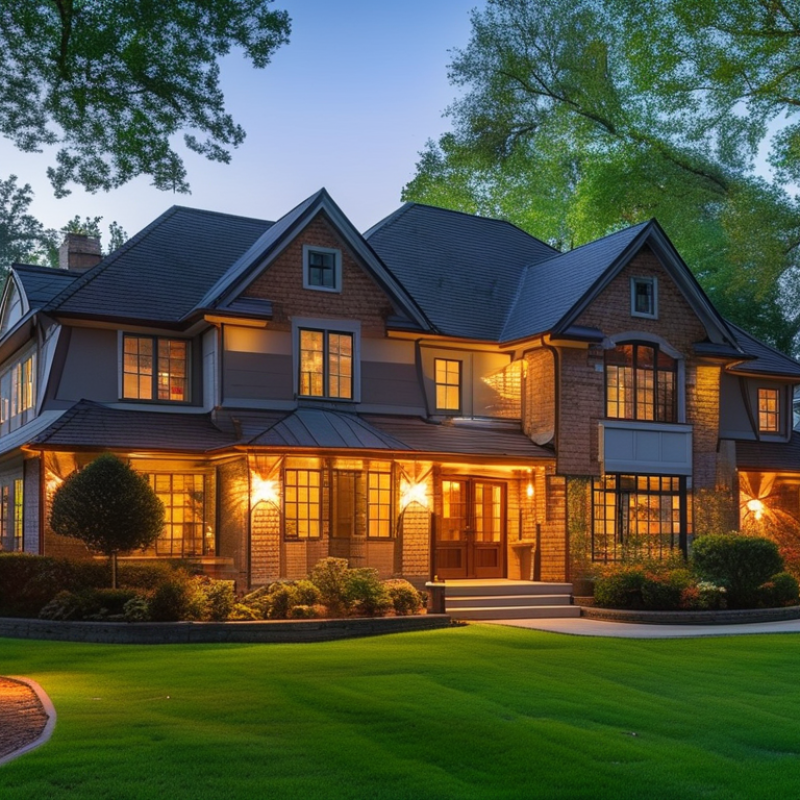
Factors Influencing the Height of Outdoor Flood Lights
When considering outdoor flood lights, several factors influence their mounting height. The primary goal is to enhance safety while ensuring optimal illumination. One key aspect is the area’s specific needs. A larger parking lot, for instance, may require higher lights than a residential backyard. The light’s intensity and spread angle also dictate height requirements. Ensure lights provide adequate coverage without creating dark spots.
Tips: Always evaluate the surrounding environment. Trees, buildings, or other obstructions can affect light placement. Lower flood lights may cause glaring reflections, which can be dangerous. Keeping LED lights at the correct height minimizes these risks.
Another important factor is the purpose of the lighting. For security, a higher placement may deter intruders, as it creates an intimidating atmosphere. However, excessive height might cause uneven light distribution. Adjusting the angle is key here. Testing different heights before final installation is a practical approach. Don't hesitate to gather opinions from neighbors or local safety experts.
Consider local regulations and community standards as well. These might influence your decision on flood light height. Ultimately, combining various factors will ensure effective and safe outdoor lighting. The balance between aesthetics and functionality remains a point for reflection in any lighting project.
Recommended Height Ranges for Different Outdoor Areas
When considering outdoor flood light installations, height is crucial for safety and visibility. The recommended height can vary based on specific outdoor areas. For general residential settings, flood lights should be mounted at a height of 8 to 12 feet. This range provides adequate illumination without excessive brightness, reducing glare and shadowing, which can lead to accidents.
In larger outdoor spaces, such as parking lots or sports fields, experts suggest a height of 15 to 25 feet. Adequate coverage is essential in these environments to enhance security. In fact, the National Institute of Justice reports that well-lit areas can reduce crime by up to 20%. However, mounting lights too high poses challenges. It can create dark areas underneath and limit direct visibility for pedestrians. Additionally, maintenance becomes more difficult.
Pathways and walkways benefit from lower mounting heights, typically around 6 to 10 feet. This ensures that pedestrians are illuminated effectively, promoting safety during nighttime hours. However, a balance must be struck. Too much light can cause discomfort and even disorientation. The International Dark-Sky Association highlights that poorly designed outdoor lighting can lead to light pollution, affecting both humans and wildlife. Thus, careful planning and assessment are necessary when determining flood light height for outdoor safety.
Safety Considerations for Flood Light Placement
When placing outdoor flood lights, safety is paramount. Mounting heights can significantly affect light coverage and visibility. Ideally, flood lights should be positioned between 7 to 10 feet above ground. This height minimizes shadows and enhances overall illumination. It's crucial to ensure they are not obstructed by trees or buildings. Such obstructions can create dark areas, increasing hazards for pedestrians and vehicles.
In addition, consider the angle of the lights. Placing them too low might create glare for drivers, while high-mounted lights can lead to wasted light. Regular maintenance is necessary to ensure lights are functional and properly aimed. Reflect on the surrounding area. Soft ambient light may be needed in residential zones, while brighter flood lights may be suitable for commercial settings. Sometimes, a balance between illuminating space and avoiding light pollution can be challenging. Adjustments may be required over time, especially if new structures change the landscape.
Optimal Height for Outdoor Flood Lights Mounted for Safety
This bar chart illustrates the recommended illuminance levels (in Lux) for outdoor flood lights mounted at various heights. As the height increases, optimal safety illuminance improves, indicating the importance of proper placement for safety and visibility.
Impact of Light Angle and Spread on Visibility
When considering outdoor flood lights, the angle of light is crucial. A well-angled light casts minimal shadows and enhances visibility. This is essential for safety in driveways, pathways, or yards. If light is positioned too high, it creates a harsh spotlight effect. This can obscure details and create unwelcoming areas. It's important to find that balance.
The light spread further impacts how well areas are illuminated. A wider beam can cover more ground, reducing dark spots. However, a overly broad spread may dilute brightness, making it less effective. Careful attention must be paid during installation to ensure that the lighting is both functional and comfortable. Unintentional glare can also distract, posing a risk for those navigating the space.
Adjustments may be necessary after initial setup. Observing the light's performance during different times can highlight areas needing improvement. Low-hanging branches might obstruct light, or walls might absorb it. Regular checks will help maintain optimal safety levels. With thoughtful placement and adjustments, outdoor flood lights can significantly enhance visibility.
Best Practices for Installation and Adjustments
When installing outdoor flood lights, height is crucial for safety and functionality. Ideally, flood lights should be mounted between 7 to 15 feet above the ground. This height ensures an effective wide beam of light while minimizing glare. Placing lights too high can lead to dark spots on the ground. Conversely, mounting them too low can create harsh shadows and unexpected hazards.
Routine adjustments are essential. Over time, fixtures can tilt or shift due to weather conditions. Regularly check the angle to ensure optimal light coverage. It might be tempting to overlook this task, but a quick adjustment can make a significant difference in safety. Using a level during installation can prevent future headaches.
Consider the installation location carefully. Areas with foot traffic need brighter, more focused light. Places with landscape elements may require softer lighting. It's important to test different heights and angles in real conditions. Getting it right the first time is ideal, but don’t hesitate to make changes if necessary. Properly installed flood lights enhance security while improving overall visibility.
How High Should Outdoor Flood Lights Be Mounted for Optimal Safety?
| Area Type |
Recommended Height (feet) |
Optimal Adjustment Angle (degrees) |
Distance Covered (feet) |
| Residential Driveways |
10 - 12 |
30 |
20 - 30 |
| Parking Lots |
14 - 16 |
25 |
30 - 50 |
| Sports Fields |
20 - 25 |
20 |
100 - 150 |
| Commercial Areas |
12 - 14 |
30 |
40 - 60 |
| Security Lighting |
8 - 10 |
40 |
10 - 20 |
FAQS
: Key factors include the area’s specific needs and the intended purpose of the lighting.
Larger areas may need higher lights for better visibility, while smaller areas require lower, more focused lighting.
Trees and buildings can block light, creating dark spots. Maintain clearance for optimal performance and safety.
Proper height prevents shadows and enhances illumination. Too low can cause glare; too high may lead to wasted light.
Test different heights and adjust angles before permanent installation. Seek feedback from neighbors or experts if needed.
It's ideal to mount flood lights between 7 to 10 feet above ground for optimal coverage without excessive glare.
Regular checks are necessary to ensure lights are functional and properly aligned. Adjust as needed for new structures or obstacles.
Balancing aesthetics with functionality is essential, yet challenging. Reflect on visual impact while ensuring safety and effectiveness.
Opt for softer illumination in residential areas. Adjust brightness based on the surrounding environment for a better balance.
Yes, local codes and community standards may dictate flood light height and placement. Always consider these guidelines.
Conclusion
When considering how high outdoor flood lights should be mounted for optimal safety, several factors come into play. These include the specific area where the lights will be installed, such as driveways, parking lots, or backyards, as well as the ambient light conditions and the purpose of the illumination. Recommended height ranges typically vary from 8 to 20 feet, depending on the application, structure, and surrounding environment.
Safety considerations are paramount, as improperly installed flood lights can lead to hazards and decreased visibility. Additionally, the angle and spread of light significantly impact overall visibility, making it essential to consider how these factors work together. To ensure effective installation, best practices include securing proper mounting heights, regularly adjusting the focus of the lights, and maintaining them to adapt to changing environmental conditions. Ultimately, understanding how high outdoor flood lights should be mounted will guide users towards safer and more effective outdoor lighting solutions.

 Dorde Lights