When planning outdoor lighting, one common question arises: how many lumens do I need for backyard flood lights? This inquiry is crucial for achieving optimal visibility at night. According to the Illuminating Engineering Society (IES), backyard flood lights should provide between 700 to 1,200 lumens to illuminate a typical residential area effectively.
The brightness required varies depending on the purpose. For entertaining areas, such as patios, brighter lights around 1,000 lumens are often recommended. In contrast, for general ambiance, 700 lumens may suffice. Additionally, the specific location plays a role; well-lit pathways may require different lumen levels compared to security lighting.
Understanding these parameters is essential for creating a safe and inviting environment. However, many homeowners overlook local regulations about light pollution and neighbor considerations. Therefore, before making a purchase, reflect on the estimated wattage and energy consumption. Choosing the right lumens can significantly impact both your space and your utility bills.
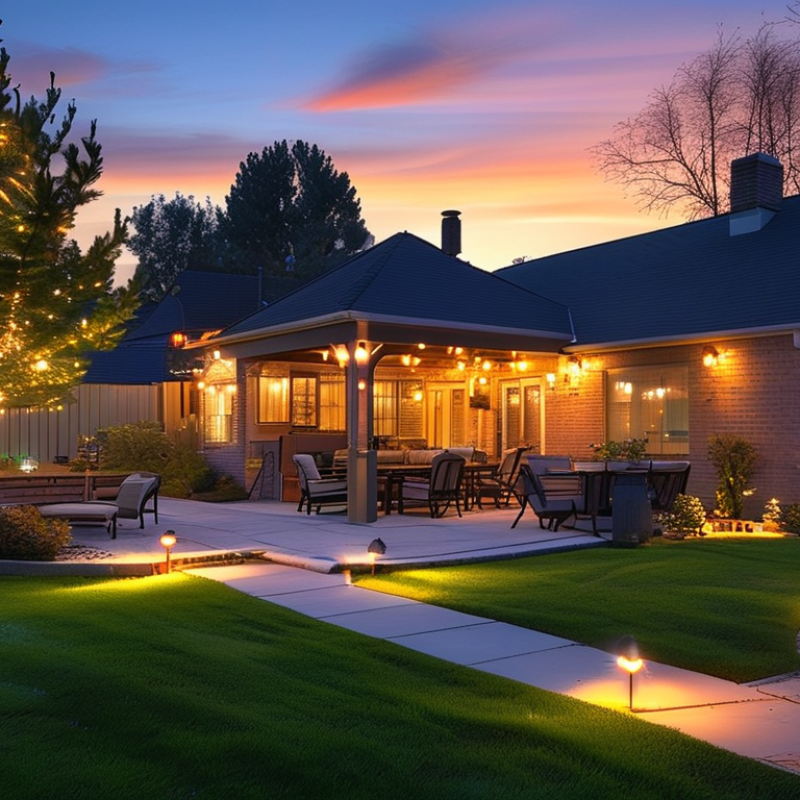
When considering backyard flood lights, understanding the various types available is crucial. LED flood lights are popular due to their energy efficiency and long lifespan. They produce bright illumination and have a wide range of lumen outputs. This makes them suitable for different outdoor activities, like hosting gatherings or enhancing security.
Halogen flood lights are another option. They provide warm, bright light and can be dimmed. However, they consume more energy and generate heat. People often overlook their higher energy costs. Solar flood lights offer an eco-friendly alternative, harnessing sunlight to power themselves. They're easy to install but may lack brightness in shaded areas.
It's essential to assess your specific needs when selecting flood lights. Think about the area's size and its purpose. You may find that a combination of light types works best for you. Experimenting with placements and brightness can yield the best results for your backyard. Always be mindful of light pollution and your neighbors.
| Flood Light Type | Recommended Lumens | Ideal Use Case | Coverage Area (sq ft) |
|---|---|---|---|
| LED Flood Light | 700 - 1400 Lumens | Pathways, small gardens | 50 - 100 |
| Halogen Flood Light | 1200 - 4000 Lumens | Security lighting, large areas | 100 - 200 |
| HID Flood Light | 2000 - 10000 Lumens | Sports fields, large open areas | 150 - 300 |
| Solar Flood Light | 300 - 800 Lumens | Eco-friendly lighting, remote areas | 30 - 70 |
: For general outdoor areas, 700 to 1,200 lumens are typically recommended. This illuminates pathways and patios well.
Aim for 1,500 to 2,000 lumens for bright security lighting. This helps deter intruders effectively.
Proper placement affects effectiveness. Lights should not be too high; a lower angle offers better coverage.
Place lights at least 10-15 feet apart. This avoids dark spots and creates an even light distribution.
Mount flood lights 7-10 feet above the ground. This height reduces glare and improves visibility.
Balance lumens with watts for energy efficiency. Using LED lights can significantly lower consumption and costs.
Too many lumens can cause discomfort and glare. Consider softer lights for ambiance instead.
Yes, reflect on how outdoor spaces are used. Adjustments can help achieve the best lighting effects.
Ensure lights illuminate pathways and gardens evenly. Too much brightness can lead to undesirable shadows.
Yes, excessive light can create glare. Balance is necessary for a welcoming outdoor environment.
When selecting backyard flood lights, understanding "how many lumens do I need for backyard flood lights" is crucial for achieving the desired brightness and functionality. The article outlines various types of flood lights available, emphasizing the need to choose an option that fits the specific requirements of your space. Recommended lumen levels provide guidelines tailored to different uses, from security to ambiance, helping homeowners decide on the appropriate intensity.
Calculating lumen needs involves evaluating several factors, including the size of the area, the height of the installation, and the surrounding environment. Proper placement also plays a vital role in maximizing effectiveness, ensuring that light covers the desired zones without causing glare. Finally, the article highlights energy efficiency, suggesting a balanced approach between lumens and watts to promote sustainable lighting solutions in outdoor settings.

 Dorde Lights