Solar street lights are becoming increasingly popular in urban planning. However, many users face the issue of their lights failing to activate at night. This concern raises a key question: "why are solar street lights not turning on at night?" John Baker, a leading expert in solar energy systems, highlights a crucial point: “Understanding the science behind solar technology is essential for effective implementation.”
Several factors can contribute to this problem. For example, inadequate sunlight exposure during the day can hinder battery charging. Additionally, faulty wiring or damaged components might prevent the lights from functioning. Failure to perform regular maintenance often exacerbates these issues, causing frustration for city planners and residents alike.
When solar street lights don't turn on, it's not just an inconvenience but a safety concern. Streets that lack proper illumination can invite danger. Understanding the underlying reasons is crucial. Awareness and proactive measures can help ensure these lights serve their intended purpose effectively. Thus, addressing the causes of malfunction is paramount.
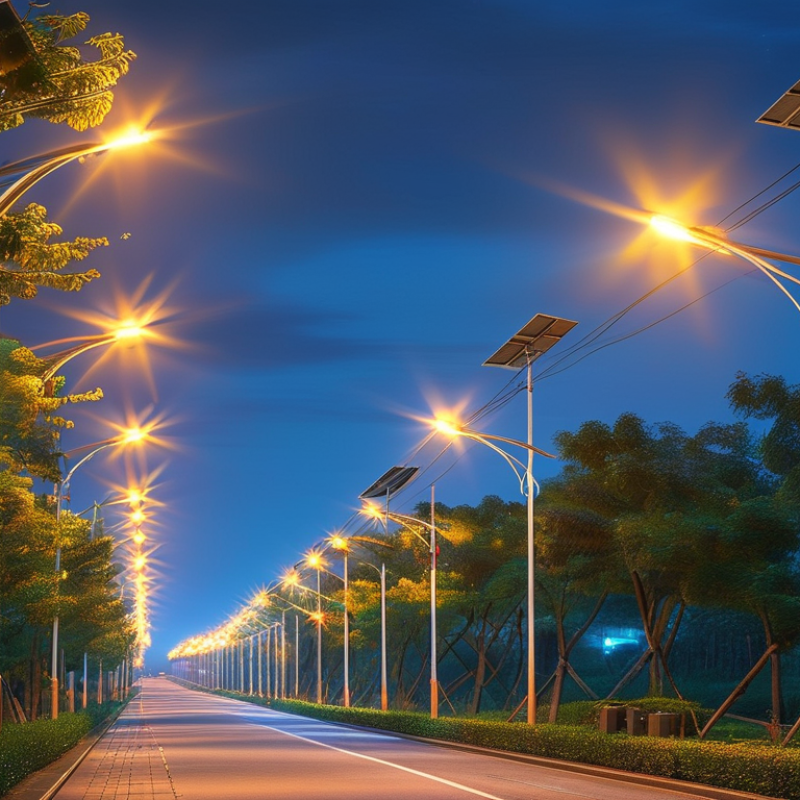
Common Power Supply Issues with Solar Street Lights
Solar street lights are increasingly popular due to their energy efficiency and eco-friendly design. However, many users encounter issues when these lights fail to turn on. Common power supply problems often contribute to these failures. Data from the Solar Energy Industries Association finds that nearly 30% of solar street light malfunctions stem from inadequate battery performance or poor solar panel orientation.
Batteries are crucial for storing energy during the day. If the battery capacity is insufficient or improperly sized, the lights may not function at night. A report from the International Renewable Energy Agency highlights that optimal battery maintenance can extend the lifespan of solar street lights significantly. Another common issue lies in the solar panel’s positioning. Incorrect angles can reduce sunlight exposure, leading to insufficient charging.
Additionally, environmental factors can hinder performance. Dust, debris, and snow accumulation on solar panels can obstruct sunlight. Regular maintenance is often overlooked, leading to decreased efficiency over time. A study shows that routine cleaning can improve performance by up to 25%. Solar street lights can be effective, but attention to these power supply issues is essential for reliable operation.
Inadequate Sunlight Exposure and Its Impact on Functionality
Inadequate sunlight exposure is a primary reason why solar street lights may fail to turn on. These lights rely on
solar panels to gather energy during daylight. When panels don't receive sufficient sunlight, battery charging becomes ineffective. Research indicates that solar panels require at least
four to six hours of direct sunlight daily to function optimally. However, even slight shading from trees or buildings can significantly reduce their energy capture.
The geographical location also plays an essential role. Areas with persistent cloud cover or pollution may not provide adequate sunlight. A study by the National Renewable Energy Laboratory notes that solar efficiency can drop by up to
25% in partially shaded conditions. Furthermore, proper installation is crucial. If solar panels are not positioned correctly, even the best locations might not deliver the required sunlight exposure.
It is important to assess local environmental factors thoroughly. Urban settings may add challenges like shadows. Even planned maintenance is vital; dirt accumulation on panels can hinder performance. These variables call for regular checks and adjustments to ensure solar street lights operate efficiently, highlighting the need for careful planning and ongoing assessment.
Battery Malfunctions and Their Role in Light Operations
When it comes to solar street lights,
battery malfunctions
are often the hidden culprits behind non-functioning units.
A study by the Solar Energy Industries Association noted that nearly
30% of solar street light failures are attributed to
battery issues. These critical components power the lights and maintain their performance
throughout the night. When they fail, the entire system becomes useless.
Batteries can experience several problems, including capacity loss, poor charging,
and internal short circuits. A report from the International Renewable Energy Agency
highlighted that battery lifespan can be significantly affected by temperature fluctuations. High
or low temperatures can reduce efficiency and, ultimately, lead to malfunction.
Regular monitoring and maintenance are essential
to mitigate these risks.
In some cases, users overlook battery replacement schedules. The expected lifespan of solar battery
systems typically ranges from 5 to 15 years, depending on
type and usage. This oversight can result in unexpected outages, which not only affects safety
but also community trust in solar technology. By understanding battery health and addressing
issues proactively, communities can enhance the reliability of solar street lighting systems.
Faulty Wiring or Connections Affecting Performance
Faulty wiring or connections can severely impact the performance of solar street lights. This issue arises due to improper installation techniques or degraded materials over time. Consequently, broken connections can prevent effective energy transfer from the solar panel to the battery, leading to malfunction. Reports suggest that as many as 30% of solar street lights face operational challenges due to wiring issues.
Diodes and connectors are critical components in solar systems. They ensure that electricity flows correctly from the panels to the battery storage systems. If these connections are loose or corroded, they can disrupt the energy flow. It's estimated that nearly 20% of installation faults can be traced back to these basic wiring components. Regular maintenance and inspections are essential in identifying these vulnerabilities early on.
Furthermore, the outdoor environment plays a significant role in the longevity of these connections. Harsh weather conditions can exacerbate wiring problems. For instance, moisture intrusion can cause rust and corrosion, weakening connections. Experts recommend periodic checks of wiring integrity, especially in regions with extreme weather variability. Ultimately, recognizing and addressing these issues can prolong the lifespan of solar street lights.
Environmental Factors Leading to Non-Functionality
Environmental factors can significantly affect the functionality of solar street lights. These lights rely on solar panels to convert sunlight into energy. If these panels are covered by debris, dirt, or snow, their efficiency drops. Dust accumulation during dry seasons can also hinder performance. Regular cleaning of panels can help maintain their effectiveness.
Weather conditions can play a crucial role too. Overcast days reduce sunlight exposure. Prolonged cloudy weather can lower battery charging levels. Lights may not turn on at night due to insufficient energy storage. Monitoring local weather patterns helps in anticipating these issues.
Tips: Position solar street lights where they receive maximum sunlight. Regular maintenance is essential. You can clean panels bi-weekly or monthly. Installing lights in low-shade areas is beneficial. Additionally, consider the angle of the solar panels; it can affect energy absorption.
FAQS
: Power supply problems often cause solar street light failures. Battery performance and solar panel orientation are key factors.
Insufficient battery capacity can prevent lights from functioning at night. Proper sizing is crucial for reliable operation.
Incorrect angles reduce sunlight exposure. This leads to inadequate battery charging and lights may not turn on.
Dust, debris, and snow on solar panels can obstruct sunlight. Regular cleaning can significantly improve performance.
Solar panels typically require four to six hours of direct sunlight. Less sunlight can lead to ineffective charging.
Areas with cloud cover or pollution may experience reduced solar panel efficiency. Proper planning is necessary in these regions.
Capacity loss, poor charging, and temperature fluctuations can cause battery malfunctions. Regular monitoring is essential.
Battery lifespan varies from 5 to 15 years. Users often forget replacement schedules, leading to unexpected outages.
Regular maintenance is crucial. Neglecting it can lead to decreased efficiency and potential safety hazards in the community.
Urban settings can add challenges like shadows. Ongoing assessment ensures solar lights operate efficiently despite varying conditions.
Conclusion
Solar street lights are an essential component of modern urban lighting, yet many users frequently encounter the issue of why are solar street lights not turning on at night. This problem can arise from several common factors. First, power supply issues, such as insufficient battery capacity or poor solar panel performance, can limit the energy available for illumination. Additionally, inadequate sunlight exposure due to obstructions or improper placement can severely impact the solar lights' functionality.
Moreover, battery malfunctions can prevent lights from operating as intended, leading to unexpected outages. Faulty wiring or loose connections may also contribute to performance issues, hindering electrical flow to the lights. Lastly, environmental factors such as excessive dust, snow, or rain accumulation can affect the operational efficiency of these systems. Understanding these common reasons can help users identify and resolve the problems, ensuring that solar street lights operate smoothly throughout the night.

 Dorde Lights