Choosing the right stage lighting for a small church can significantly enhance the worship experience. It creates an inviting atmosphere, guiding the congregation’s focus. However, many face challenges when selecting appropriate lighting options. Understanding "how to choose stage lighting for a small church" is essential.
Consider the purpose of your church's events. Lighting should support various activities, like worship services, performances, or gatherings. Each event type requires different lighting dynamics. Additionally, churches often deal with limited budgets and space. Finding the balance between quality and cost is crucial. A mix of fixtures can provide versatility without overwhelming the space.
Reflect on the unique qualities of your church. Do you need soft ambient lighting, or do dramatic effects serve your purpose better? Collaborating with knowledgeable vendors can guide your choices. Their expertise is invaluable in navigating the available options. Ultimately, selecting the right stage lighting involves thoughtful consideration, helping create an inspiring environment for all.
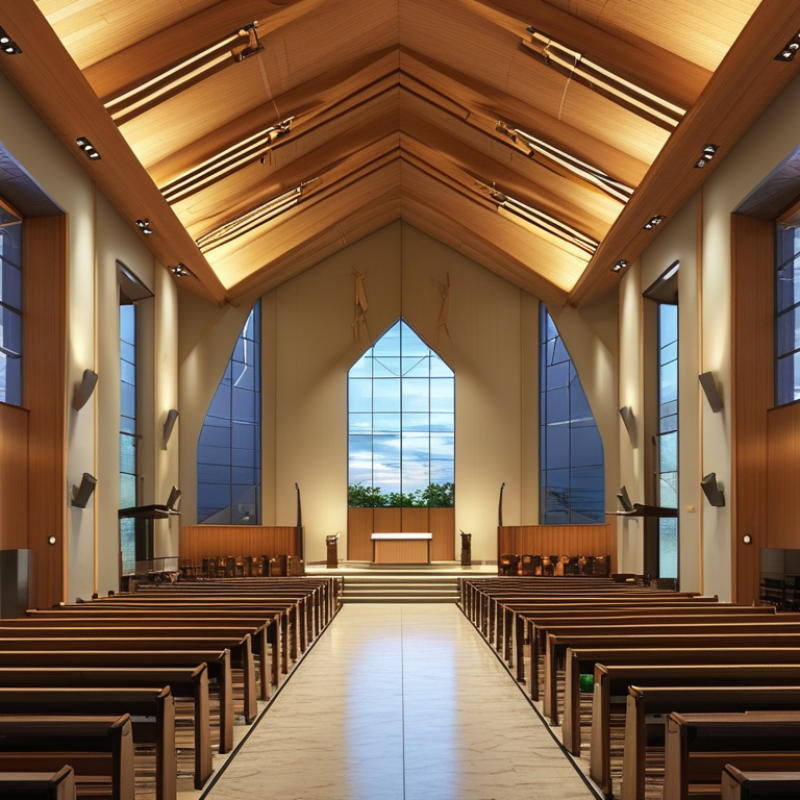
When selecting stage lighting for a small church setup, understanding the basics is crucial. Research shows that effective lighting can enhance worship experiences significantly. According to a report by the National Association of Broadcasters, appropriate lighting can increase attendee engagement by up to 30%.
Small churches often have limited budgets. Focusing on essential lighting types helps maximize impact. LED lights are a popular choice due to their low heat output and versatility. They can be used creatively to highlight performers or key areas in the sanctuary. Ambient lighting, such as soft washes, sets a welcoming tone and complements natural light. However, balancing brightness and warmth is challenging; too much can create discomfort.
Incorporating controllable lighting systems allows for flexibility during services or events. A study conducted by the Church Media Group indicated that 40% of churches believe advanced lighting improves the overall atmosphere. Investing in simple dimmer switches or programmable systems can enhance worship without overspending. Reflecting on what works best for your unique space can lead to continuous improvement in your lighting strategy.
Assessing your church’s space and lighting needs is crucial for effective stage lighting. Start by measuring the dimensions of the sanctuary. Understand the layout, including the placement of the stage and seating. This allows you to determine the optimal type and quantity of lights required.
A study by the Worship Facilities magazine suggests that lighting can improve congregation engagement by 45%. It's essential to consider the existing ambient light. Natural light may affect your setup during the day. For evening services, ensure that the lighting creates a warm atmosphere. Soft white lights can enhance the feeling of community, while spotlights can draw attention to speakers or performers.
Reflect on the accessibility and functionality of your setup. Are the lights adjustable for different events? Having flexible lighting options can accommodate various activities, from worship to community gatherings. Investing in a dimmer system might also be worthwhile. This system offers diverse settings, but it requires careful planning. Listen to feedback from your congregation about their experience. Understanding their perspective can guide your lighting choices, making them more effective and engaging.
Choosing the right stage lighting for a
small church can enhance the worship experience. Several types of lighting can suit different needs.
LED lights are popular due to their energy efficiency and versatility. They come in various colors and can create a welcoming atmosphere.
Spotlights are useful for highlighting speakers or musicians, adding focus to important moments.
Incorporating wash lights can offer even lighting across the stage. This balance reduces shadows and creates a pleasant visual experience. A combination of these types can cater to various events, from sermons to musical performances.
Tip: Always consider the space layout before purchasing. Test different lighting placements to see how they affect the ambiance.
Another essential consideration is dimmable fixtures. They provide flexibility depending on the event. You can adjust lighting for intimate moments or vibrant celebrations.
Tip: Engage your team in the decision-making process. Gather feedback on which setups resonate most with the congregation. Aim for a balance that reflects the church's spirit.
When budgeting for stage lighting in a small church, understanding costs is crucial. According to a 2023 industry report, small venue lighting systems typically range from $2,000 to $10,000 depending on features and quality. This budget must include not just the lights but also stands, cables, and control systems. Installation can add another 20% to 30% to the total cost, which is often overlooked.
Evaluate the specific needs of your church. The worship space's size and layout significantly impact lighting choices. Consider a combination of stage lights and ambient lighting to create a welcoming atmosphere. Many small churches face the challenge of balancing quality and affordability. It’s common to see setups that lack adequate dimming controls, resulting in poor visuals during services. By investing wisely now, you can avoid costly updates in the future.
Explore options for local grants or fundraising to assist with costs. Many community programs support churches seeking to enhance their environments. Remember, a small initial investment in quality lighting can elevate the entire worship experience. Plan carefully and you will achieve a beautiful and functional space.
When choosing stage lighting for a small church setup, effective positioning is key. A recent study from the International Association of Lighting Designers indicates that proper light placement can significantly enhance the worship experience. Aim for a mix of ambient, accent, and task lighting to create a balanced environment. Use soft wash lights to illuminate the stage evenly. Position these lights about six to eight feet above the stage for optimal coverage.
Consider the audience's viewpoint when placing your lights. Overhead lights should not cause harsh shadows on speakers or performers. Front lighting can be effective, but too much can wash out colors. According to research by the Lighting Research Center, a lighting plan that considers the congregation's sightlines creates a more engaging service. For a small setup, experimenting with fewer light fixtures may yield better results than overcrowding the stage.
It’s worthwhile to account for potential challenges too. Uneven lighting can detract from the message. Check how different lighting angles affect the overall mood. Remember, adjusting light positions based on feedback from your congregation can refine your setup. Engaging directly with your community can lead to a more thoughtful approach and improved worship services.
: Understanding the lighting basics is crucial for enhancing worship experiences. Research shows effective lighting increases engagement.
LED lights are energy-efficient and versatile. They produce low heat and can creatively highlight performers or key areas.
Ambient lighting sets a welcoming tone. Soft washes can enhance natural light. However, too much brightness can cause discomfort.
Spotlights are effective for focusing on speakers or musicians. They help direct attention during key worship moments.
Dimmable fixtures allow flexibility. You can create an intimate setting or bright environment as needed for different events.
Always consider the layout before purchasing lights. Testing placements helps assess their effect on ambiance and overall experience.
Engaging the team for feedback is beneficial. Gather opinions on which setups resonate with the congregation for improvement.
Investing in simple dimmer switches can enhance worship. You don’t need to overspend for effective lighting solutions.
Aim for a balance in lighting setups. Reflecting on what works best for your unique space fosters continuous improvement.
Achieving the right balance of brightness and warmth can be tricky. Too much brightness might distract instead of enhance the experience.
When considering how to choose stage lighting for a small church, it is essential to understand the fundamental principles of lighting design tailored to your unique space and needs. Start by assessing the layout and existing lighting conditions of your church to identify areas that require illumination. This will help determine which types of lighting fixtures, such as LED lights or spotlights, best suit your environment and enhance the overall atmosphere during services.
Next, budgeting for stage lighting equipment and installation costs is crucial. You should consider the initial investment as well as any ongoing maintenance expenses. Finally, effective positioning and setup of the lights can significantly impact the visual experience. Utilizing practical tips for arrangement and adjustment can help create an inviting and engaging atmosphere, ensuring that your lighting setup serves its purpose well in your worship space.

Dorde Lights