What is the Best Color Temperature for Street Lighting in 2026?

Time:2026-07-17 Author:Aria
0%

The discussion around "what is the best color temperature for street lighting" has gained traction in urban planning. By 2026, advancements in lighting technology will likely impact this decision. Various studies highlight that color temperature influences visibility, safety, and even crime reduction. The International Lighting Association's report emphasizes this by stating, "Optimal color temperature can enhance nighttime visibility and public safety."

In terms of specific metrics, research shows that a color temperature between 3000K and 5000K is most effective. Experts, such as Dr. Emily Hargrove, emphasize the necessity for cities to adopt these standards: “Selecting the right color temperature is not just a matter of aesthetics; it's crucial for functionality.” This showcases the real-world implications of lighting choices.

However, there’s no one-size-fits-all solution. Factors like community needs and local architecture should influence decisions. As municipalities navigate these complex considerations, the question remains: are we prioritizing effectiveness over uniformity? Addressing this inconsistency could redefine our nighttime environments for the better.
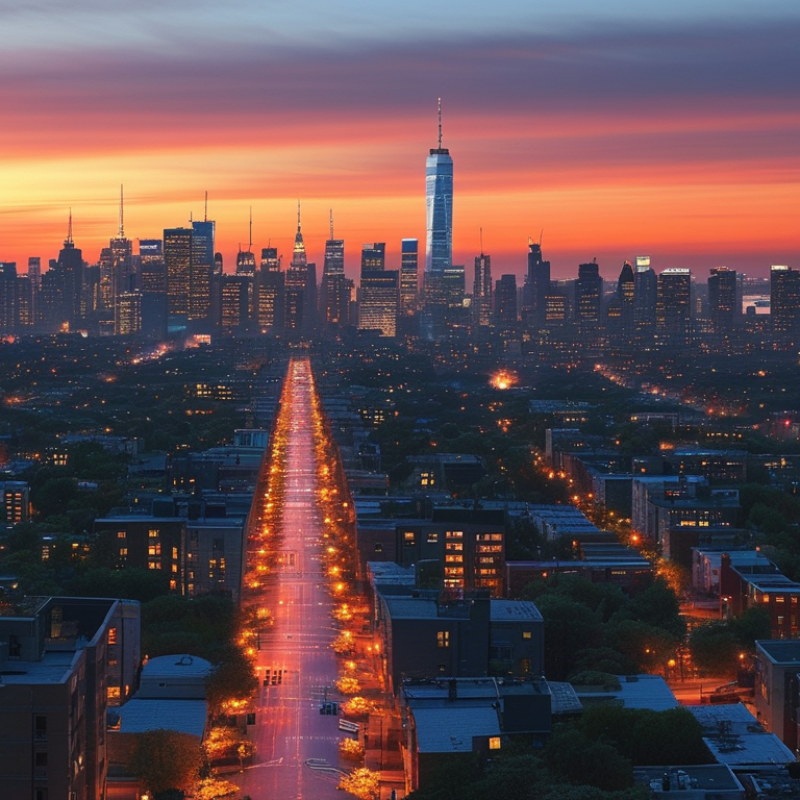
What is the Best Color Temperature for Street Lighting in 2026?

What is Color Temperature and Its Importance in Street Lighting

Color temperature plays a crucial role in street lighting. It refers to the warmth or coolness of a light source. Measured in Kelvin (K), color temperature impacts visibility and mood. According to industry reports, street lights typically range from 3000K to 6000K. Warmer temperatures (below 3000K) create a cozy, inviting atmosphere. Meanwhile, cooler temperatures above 4000K enhance visibility and reduce safety risks.


The importance of color temperature cannot be overstated. A study by the International Lighting Commission indicated that 4000K to 5000K is ideal for urban areas. This range improves visibility and helps reduce crime rates. However, some experts argue that overly bright, cool lights can cause discomfort. It is essential to find a balance. Over-illumination can create glare, affecting drivers and pedestrians alike.


In 2026, designers may prefer color temperatures that adapt to environments. For instance, lower temperatures may enhance residential areas, while higher ones could serve commercial zones. Flexibility in lighting design will be vital. Understanding how color temperature influences behavior will help create safer and more visually appealing spaces in our cities.

Historical Perspectives on Street Lighting Color Temperatures

Street lighting has evolved significantly over the years. In the past, warm color temperatures were preferred because they created a cozy atmosphere. Gas lamps and incandescent bulbs contributed to this warm glow. However, these light sources lacked efficiency and longevity. The shift to more energy-efficient options, like LED technology, began a new era.

Now, cooler color temperatures are gaining traction. These lights enhance visibility and safety in urban spaces. They appear brighter and can elevate the awareness of pedestrians and drivers. Cities are starting to balance aesthetics and functionality. Yet, not everyone embraces this change. Some argue that cooler lights feel harsh and unwelcoming.

Each community has unique needs and cultural perceptions. The impact of color temperature on public spaces cannot be ignored. A thoughtful approach is necessary. Finding the right color temperature for street lighting requires input from various stakeholders. Balancing historical preferences with modern technology is critical. The debate continues as cities strive to illuminate streets effectively and attractively.

Current Trends in Color Temperature Preferences for Street Lighting

In recent years, the preferences for street lighting color temperature have evolved significantly. Urban planners now focus on the balance between functionality and aesthetics. While warmer tones create a welcoming atmosphere, cooler tones enhance visibility. This shift reflects a deeper understanding of how light impacts safety and community well-being.

Cities are experimenting with various color temperatures. Many are choosing between 3000K and 4000K. The former offers a softer glow, ideal for residential areas. However, brighter lighting at 4000K is gaining popularity in busier streets. This trend shows that there is no one-size-fits-all solution. Diverse contexts require tailored approaches to meet specific needs.

Feedback from communities reveals mixed emotions about these changes. Some appreciate the clear, bright lights for safety. Others feel that warmer lighting fosters a sense of security. It's important to reflect on these preferences and adapt to the community’s unique character. As we head toward 2026, ongoing evaluations will shape the future of street lighting design.

Impact of Color Temperature on Safety and Visibility in Urban Areas

Street lighting plays a crucial role in urban safety and visibility. The color temperature of street lights significantly impacts how pedestrians and drivers perceive their surroundings. According to a study by the Institute of Transportation Engineers, lights with a higher color temperature, around 4000K to 5000K, provide better visibility and enhance contrast. This makes it easier to identify potential hazards at night.

However, not all urban areas benefit equally from high color temperatures. In some neighborhoods, excessively bright lights can cause glare, making it difficult for drivers to see properly. The American Medical Association has reported concerns about blue-rich white lights contributing to light pollution and negative health effects. Finding a balance is essential for urban planners to ensure safety while minimizing adverse effects.

Tips: Consider using warm white lights (3000K) in residential areas to reduce glare. This can enhance safety while providing a welcoming atmosphere. Additionally, street lighting should be designed to avoid dark spots where crimes are more likely to occur. Regularly reviewing and adjusting light levels based on community feedback can improve overall effectiveness.

Future Innovations and Predictions for Street Lighting Color Temperature

In 2026, the color temperature of street lighting is likely to evolve significantly. Many experts speculate that a warmer light, around 3000K, could dominate urban environments. This softer hue not only enhances ambiance but also improves safety. Warmer lights produce less glare, which can be beneficial for pedestrians and cyclists navigating busy streets at night.

Innovations in LED technology are steering this shift. The development of dynamic lighting systems is promising. These systems can adjust color temperatures based on real-time conditions. For instance, they could emit cooler, brighter light during peak hours and transition to warmer tones later, promoting comfort and security. However, the transition must be approached thoughtfully. Many cities may need to assess the impact on crime rates and community comfort levels before widespread adoption.

Yet, not all developments in street lighting are flawless. Some argue that overly warm lights might hinder visibility in critical areas. It’s crucial for city planners to consider these implications. Balancing aesthetics with functionality remains a challenge. As technology advances, continual evaluation and adjustment will be key to achieving optimal street lighting solutions.

What is the Best Color Temperature for Street Lighting in 2026?

This chart illustrates the public preference for different color temperatures in street lighting as predicted for 2026. The most preferred color temperature is 4000K, which balances visibility and comfort, followed by 3000K and higher temperatures like 5000K and 6000K receiving less preference.

FAQS

: What has historically influenced street lighting color temperatures?

: Warm light was preferred for its cozy atmosphere, but efficiency issues arose with older technologies.

How do cooler color temperatures impact urban safety?

Cooler lights enhance visibility for pedestrians and drivers, improving hazard detection at night.

What concerns are associated with high color temperatures?

High temperatures can cause glare, making it difficult for drivers to see properly, especially in certain neighborhoods.

What lighting temperature is recommended for residential areas?

Warm white lights around 3000K help reduce glare and create a more welcoming atmosphere.

What is expected in the future of street lighting color temperatures?

Experts predict warmer lights (around 3000K) will be more common, improving ambiance and safety at night.

How might dynamic lighting systems change street lighting?

These systems could adjust color temperatures in real-time, enhancing comfort and security during peak times.

What are potential downsides to overly warm street lights?

Too warm lighting may limit visibility in critical areas, risking safety for pedestrians and drivers.

Why is community feedback important for street lighting?

Regular reviews based on community input can help adjust light levels to improve overall effectiveness and safety.

What is the challenge for urban planners regarding street lighting?

Balancing aesthetics and functionality while considering crime rates and community comfort levels remains a significant challenge.

Conclusion

The article titled "What is the Best Color Temperature for Street Lighting in 2026?" delves into the significance of color temperature in urban street lighting. It begins by explaining what color temperature is and why it matters for ensuring visibility and safety in urban environments. The historical evolution of street lighting color temperatures is discussed, showing how preferences have shifted over time. Current trends reveal a growing inclination towards specific color temperatures that enhance safety and comfort for pedestrians and drivers alike.

Furthermore, the article examines the impact of color temperature on visibility within cities, emphasizing its crucial role in crime prevention and navigation during nighttime. Looking ahead, the piece explores future innovations and predictions for street lighting, ultimately addressing the question of what is the best color temperature for street lighting in the coming years. This comprehensive analysis underscores the importance of selecting appropriate color temperatures to create safer and more inviting urban spaces.

Aria

Aria

Aria is a dedicated marketing professional with a deep passion for innovative strategies and a keen understanding of our company's product offerings. With a wealth of experience in the industry, Aria excels at crafting engaging content that highlights the unique features and benefits of our......