When considering commercial lighting options, one question often arises: what is the lifespan of a commercial LED panel light? Understanding this aspect is crucial for businesses seeking efficiency and cost-effectiveness. LED panel lights are appreciated for their longevity and low maintenance. However, their lifespan can vary based on factors like usage and quality.
Typically, commercial LED panel lights boast a lifespan of around 50,000 to 100,000 hours. This longevity translates to years of reliable performance in an office or retail environment. However, it’s essential to note that not all LED lights are created equal. Variations in manufacturing can lead to discrepancies in lifespan claims.
Choosing reputable brands and understanding product specifications can help ensure you get quality. Reflecting on this, businesses must assess their actual lighting needs. A thorough evaluation can prevent unexpected replacements. Ultimately, knowing what influences the lifespan of LED panel lights can guide better purchasing decisions.
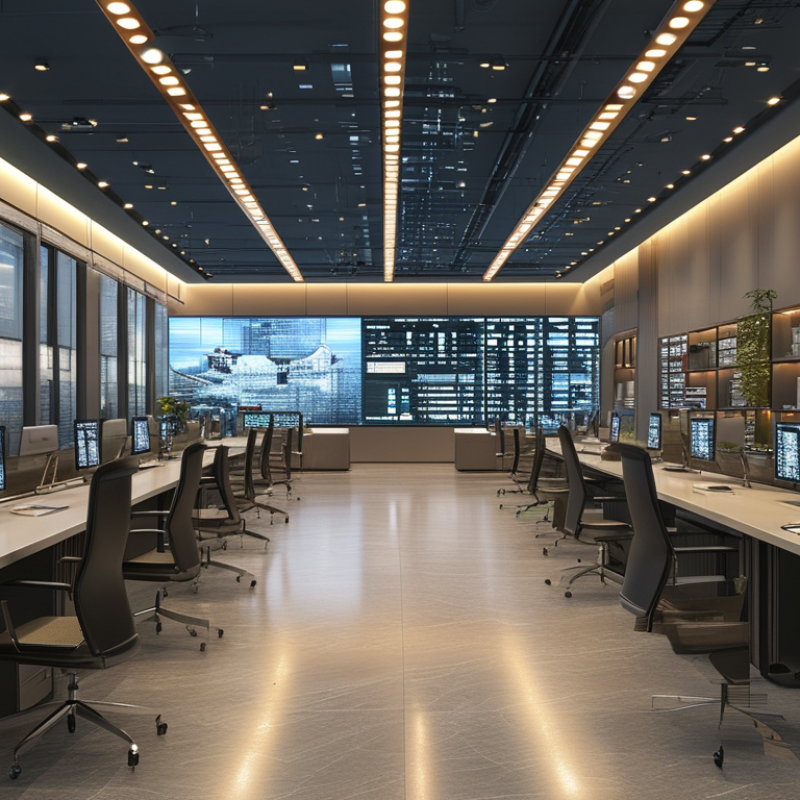
Overview of Commercial LED Panel Lights Lifespan
When considering commercial LED panel lights, lifespan is a critical factor. These lights are designed to last longer than traditional lighting options. Typically, they offer a lifespan of 25,000 to 50,000 hours, depending on various factors.
The quality of materials plays a significant role in determining lifespan. Well-constructed panels resist wear and tear better than cheaper options. However, not all manufacturers provide transparent information. This leads to confusion about the actual longevity of products. It's essential to look for reliable specifications when selecting fixtures.
Environmental factors also influence LED lifespan. Heat can significantly reduce their longevity. Proper installation can mitigate these risks. Moreover, using dimmers may affect performance. Users must consider their specific lighting needs and conditions. Some may find that their expectations don't match reality. Regular checks and maintenance can help ensure that commercial LED panel lights remain effective throughout their intended lifespan.
2026 Top Lifespan of Commercial LED Panel Lights Explained
Factors Affecting the Lifespan of LED Panel Lights
When considering the lifespan of commercial LED panel lights, several factors come into play. One major factor is the quality of materials used in their construction. High-quality components typically yield better performance and longevity. However, not every product that looks good is durable. Some lower-end options might initially shine bright but fade quickly.
Another factor is thermal management. Heat can significantly affect LED performance. Poor heat dissipation can cause early failure. Installing lights in well-ventilated areas can help extend their lifespan.
Tips for enhancing lifespan include regularly cleaning the fixtures to prevent dust buildup. Ensure that the environment remains within recommended temperature ranges. During installation, use the right fixtures that suit your LED panel lights. Proper installation reduces stress on the components. In terms of usage, avoid frequent on-and-off switching, as it can decrease lifespan. Recognizing these details can help maximize the longevity of your LED panel lights.
Average Lifespan Expectations for Different LED Technologies
When considering the lifespan of commercial LED panel lights, various technologies offer differing expectations. On average, standard LED panel lights last between 25,000 to 50,000 hours. This range is influenced by factors such as quality, usage, and environmental conditions. According to the Department of Energy, high-quality LED products can last even longer, displaying a significant reduction in lumen degradation over time.
For instance, edge-lit panels typically have a lifespan around 25,000 hours, while backlit models may reach up to 50,000 hours. This is a critical difference for businesses evaluating long-term costs and replacements. Understanding the specific technology can aid in better investment decisions.
Tip: Regular maintenance can prolong the life of your LED fixtures. Keeping them clean and ensuring proper ventilation reduces heat buildup, a major factor in LED degradation.
Not all LEDs are created equal. Cheaper options may promise high lifespans, but they often underperform. A study by the Lighting Research Center found that illumination quality and lifespan can drop significantly in lower-tier products. Investing in reliable technology may require more upfront cost, but it can save in the long term.
Tip: Monitor your lighting. If brightness decreases, it might be a sign to evaluate whether you need replacements or upgrades.
Tips to Maximize the Lifespan of Commercial LED Panel Lights
Maximizing the lifespan of commercial LED panel lights involves understanding their unique requirements. Research indicates that proper installation can extend their life significantly. For instance, maintaining appropriate operating temperatures between 20°C and 30°C is crucial. Excessive heat can decrease the lifespan by over 30%. Additionally, it’s vital to use compatible drivers. A mismatch can lead to flickering or premature failure.
Regular maintenance also plays an essential role. Dust and grime accumulation can obstruct light output and overheat the panels. Cleaning with a soft cloth and ensuring vents are clear can promote better performance. According to a lighting industry report, panels with regular upkeep can last up to 50,000 hours, compared to just 25,000 hours for neglected units.
Lastly, consider energy usage patterns. Lights that remain on longer than necessary wear out quickly. Employing timers or occupancy sensors can reduce unnecessary usage. Awareness of these details fosters a more reliable lighting system. Yet, it’s important to note that no system is perfect; unexpected failures can always occur, reminding us to prepare for replacements.
Future Trends in LED Technology Impacting Lifespan
As LED technology evolves, the lifespan of commercial LED panel lights is becoming a hot topic. Reports indicate that the average lifespan of these lights can reach 50,000 hours.
However, various factors influence this figure. Heat management, for instance, is crucial. Poor heat dissipation can significantly reduce lifespan, often by thousands of hours.
Future trends are shifting towards smarter LEDs. Innovations like integrated sensors and better heat sink materials are emerging. These advancements can potentially extend the lifespan even further, perhaps reaching up to 100,000 hours by 2026. Research shows that a well-designed LED panel can maintain over 70% of its brightness throughout its lifecycle. This is a key metric for professionals considering long-term investments.
Tips: Regular maintenance checks can help identify early issues in LED performance. This simple practice might save money in the long run. When selecting LED lights, consider models with advanced thermal management. This choice could lead to improved longevity. In conclusion, while lifespans are impressive, understanding the environmental factors at play is essential for making informed decisions.
FAQS
: Typically, they last between 25,000 to 50,000 hours, depending on various factors.
High-quality materials generally yield better performance and durability.
Yes, heat can significantly reduce their longevity, leading to early failure.
Install lights in well-ventilated areas and use suitable fixtures for proper stress management.
Regular cleaning prevents dust buildup and ensures optimal heat dissipation, extending lifespan.
No, quality varies. Cheaper options may promise high lifespans but often underperform.
Frequent on-and-off switching can decrease lifespan by putting excessive stress on components.
Yes, decreasing brightness may indicate it's time to consider replacements or upgrades.
Factors such as temperature and humidity can affect their performance and longevity.
Yes, though upfront costs may be higher, they save money in the long term through durability.
Conclusion
The article titled "2026 Top Lifespan of Commercial LED Panel Lights Explained" provides an in-depth look at what is the lifespan of a commercial LED panel light, highlighting crucial factors that influence their longevity. Key factors affecting their lifespan include quality of materials, heat management, and usage conditions. On average, different LED technologies offer varying lifespans, with some models lasting over 50,000 hours under optimal conditions.
To maximize the lifespan of commercial LED panel lights, it is essential to invest in high-quality products, ensure proper installation, and maintain suitable operating environments. Additionally, the article discusses future trends in LED technology, such as advancements in energy efficiency and durability, which are likely to enhance the lifespan of these lighting solutions. Overall, understanding these aspects can aid consumers and businesses in making informed decisions regarding their lighting investments.

 Dorde Lights